
5 Most Affordable Neighborhoods in Denver, CO, in 2026
5 Most Affordable Neighborhoods in Denver, CO, in 2026

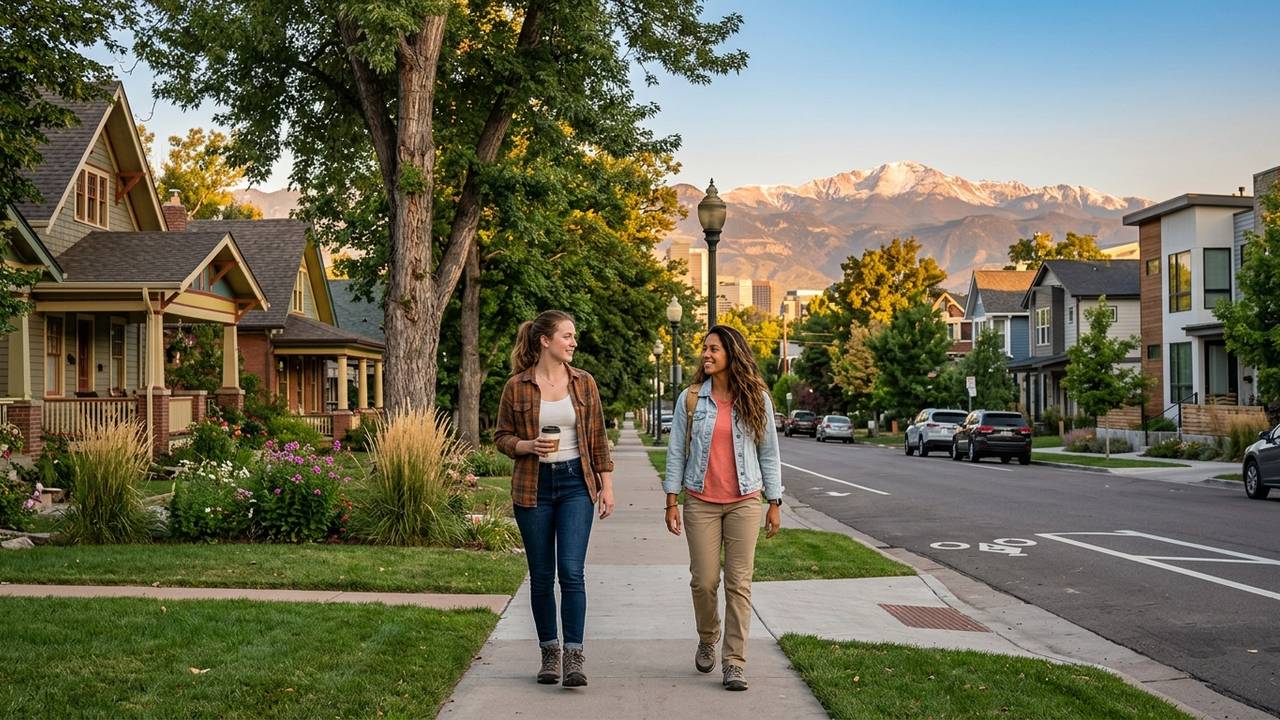
Image generated by AI
Affordable Neighborhoods in Denver Offer Lower Housing Costs While Maintaining Strong Transit Access and Outdoor Recreation Opportunities in 2026
DENVER, Colorado — Denver residents and prospective relocators are navigating a shifting housing landscape as five specific districts emerge as the most budget-friendly options in the Mile High City during mid-2026. Market data indicates average one-bedroom rents in these targeted zones fall significantly below the citywide baseline of $1,631 per month. These areas combine manageable living expenses with robust public transit networks, established commercial corridors, and direct access to regional mountain recreation.
Background: Housing Market Dynamics Shape Urban Living Choices The Denver housing market continues to adjust to broader economic pressures, pushing renters and homebuyers to evaluate cost-of-living metrics more rigorously. While the metropolitan area remains a major economic hub, housing costs have historically outpaced wage growth in several high-demand zones. Industry observers note that affordability has become a primary driver for residential migration within the Front Range.
Current market reports highlight a clear pricing tier separating premium districts from more accessible residential corridors. Renters seeking to balance monthly expenses with urban convenience are increasingly looking toward established neighborhoods that offer mature infrastructure, reliable transit options, and proximity to employment centers. This shift reflects a broader regional trend where practical living costs now outweigh proximity to luxury amenities in housing decisions.
North Denver Delivers Historic Charm and Commuter Rail Access
Situated immediately north of the downtown core, North Denver functions as a transitional zone that preserves historic residential character while accommodating modern commuting demands. The district encompasses multiple established residential pockets that provide direct proximity to major employment hubs and downtown entertainment venues. Tree-lined avenues and mature green spaces define the visual landscape, while a steady influx of locally owned commercial enterprises revitalizes primary thoroughfares.
Daily routines in this area center on neighborhood parks and community gathering spaces. Residents utilize Rocky Mountain Lake Park, City of Cuernavaca Park, and Globeville Landing Park for recreational activities and trail connections. The South Platte River Trail system extends for several miles, offering dedicated walking and cycling pathways that link multiple municipal districts. Commercial activity along main streets features expanding restaurant groups, independent coffee roasters, and regional breweries that cater to both locals and visitors.
Transportation infrastructure remains a defining advantage. Interstates 25 and 70, alongside Highway 36, enable rapid automobile access to regional job markets. The Regional Transportation District operates multiple bus routes throughout the area, while the 41st & Fox Station provides commuter rail service connecting residents to Union Station, Westminster, and surrounding communities. Proximity to the RiNo Art District and Coors Field ensures cultural and sporting events remain within a short transit window.
Midtown Denver Transforms Former Amusement Grounds into Residential Hub
Midtown Denver occupies a strategic position between the central business district and the eastern mountain foothills. Developed largely on the footprint of the former Elitch Gardens site, the area blends newer residential construction with established neighborhood amenities. The district appeals to renters prioritizing modern housing stock while maintaining straightforward access to downtown workplaces and regional transit corridors.
Outdoor recreation integrates seamlessly into community life. Rocky Mountain Lake Park and Berkeley Lake Park supply walking trails, open athletic fields, and seasonal fishing opportunities. An interconnected trail network extends beyond neighborhood boundaries, linking to larger municipal greenways. Additional community parks distribute exercise facilities, relaxation zones, and event spaces across the district.
Commercial and civic amenities cluster just south of the residential core. The Berkeley and Highlands districts host dense concentrations of independent restaurants, specialty retailers, and everyday service providers. Tennyson Street operates as a primary commercial corridor, hosting year-round festivals, dining events, and local markets. Recreation centers, grocery facilities, and cultural venues remain accessible within a brief driving radius.
Transit connectivity reinforces the area’s residential appeal. I-70 delivers direct automobile routes to downtown Denver, Denver International Airport, and suburban employment zones. Federal Boulevard and Sheridan Boulevard function as critical north-south arterial roads. RTD bus networks cover the surrounding grid, while Union Station provides centralized access to commuter rail, light rail, and regional transit lines serving the entire Front Range.
East Colfax Provides Central Walkability and Museum District Connectivity
East Colfax delivers a highly accessible residential environment positioned near the geographic center of the metropolitan area. The district emphasizes walkable street grids, mixed-use commercial zones, and immediate proximity to major healthcare facilities and transit hubs. Residents prioritize the area for its streamlined access to daily necessities, entertainment venues, and public transportation networks.
Recreational and cultural institutions anchor the neighborhood’s lifestyle offerings. City Park lies directly to the west, supplying extensive walking trails, athletic complexes, seasonal lakes, and outdoor programming. The Denver Zoo Conservation Alliance and the Denver Museum of Nature & Science operate nearby, delivering educational programming and family-friendly attractions. The Colfax Avenue commercial corridor functions as the primary business district, hosting local eateries, independent music venues, retail shops, and essential service providers. Seasonal markets, neighborhood festivals, and live performances maintain an active community calendar throughout all four seasons.
Public transit reliability supports daily commuting patterns. The RTD Colfax bus line operates frequent service linking Aurora, downtown Denver, and adjacent residential zones. Colorado Boulevard, Monaco Parkway, and I-70 provide straightforward vehicular routing across the metro region, reducing commute times for professionals working outside the immediate neighborhood.
Hampden Offers Mountain Views and Reservoir Recreation
Hampden occupies a southeastern position within city limits, delivering a quieter residential atmosphere characterized by mature tree canopies, expansive green spaces, and unobstructed mountain vistas. The district maintains a small-town aesthetic while providing direct automobile and rail connections to central employment hubs. Interstate 25 and light rail infrastructure enable efficient daily commutes to downtown Denver.
Outdoor recreation defines the neighborhood’s identity. Cherry Creek Reservoir borders the area, supplying year-round water-based activities. Summer months draw visitors for sailing and stand-up paddleboarding, while winter conditions support cross-country skiing and trail running. Commercial development along major thoroughfares provides dining establishments and retail centers that serve local households.
Transportation networks prioritize regional connectivity. I-25 forms the western boundary, while Hampden Avenue, designated as U.S. Route 285, cuts directly east-west across the city and into the mountain foothills. I-225 runs nearby, creating efficient routes to the Denver Tech Center, Aurora, and Denver International Airport. RTD bus routes follow primary corridors, and the Southmoor and Dayton light rail stations deliver rail service to downtown Denver and surrounding municipalities.
Virginia Village Maintains Suburban Quiet Near Light Rail Lines
Virginia Village sits in southeast Denver, preserving a mid-century residential aesthetic alongside eclectic commercial developments. The district delivers a low-density living environment with tree-lined streets and quiet residential blocks, all while remaining integrated into the broader metropolitan transit grid. Interstate 25 runs along the western edge, providing rapid automobile access to downtown Denver and regional business districts.
Community green space anchors daily recreation. Ash Grove Park and Garland Park supply open lawns for morning jogging, recreational games, and outdoor dining. The Cherry Creek Shopping Center sits a short distance away, offering extensive retail options and dining venues that serve both locals and regional visitors.
Transit infrastructure supports consistent commuting. Colorado Boulevard, Evans Avenue, and I-25 deliver direct vehicular routing to employment centers and neighboring municipalities. RTD bus networks operate along major streets, linking residents to commercial hubs and regional transit terminals. The Colorado Station and Yale Station light rail stops provide access to the E, H, and R Lines, establishing public transportation as a reliable alternative to automobile commuting.
| Neighborhood | Average 1-Bedroom Rent | Median Home Value | Citywide 1-Bedroom Benchmark |
|---|---|---|---|
| North Denver | $1,042/month | $600,000 | $1,631/month |
| Midtown Denver | $1,111/month | $590,000 | $1,631/month |
| East Colfax | $1,116/month | $440,000 | $1,631/month |
| Hampden | $1,278/month | $382,500 | $1,631/month |
| Virginia Village | $1,285/month | $625,000 | $1,631/month |
Impact Analysis: Housing Affordability and Regional Development Trends The concentration of below-average rents across these five districts signals a meaningful shift in how Denver residents allocate housing budgets. Market analysts observe that lower monthly expenditures in North Denver, Midtown Denver, East Colfax, Hampden, and Virginia Village are redirecting disposable income toward local commerce, dining, and community programming. This spending pattern stimulates neighborhood-level economic activity while reducing financial strain on middle-income households.
Transit accessibility plays a central role in sustaining these affordability corridors. Reliable bus networks, commuter rail stations, and light rail connections minimize automobile dependency, lowering overall household transportation costs. As regional employers continue expanding along I-25, I-70, and the Denver Tech Center, workers increasingly prioritize housing locations that balance rent prices with commute efficiency. This dynamic encourages steady commercial investment in underdeveloped commercial strips and supports incremental neighborhood revitalization.
Long-term housing market sustainability depends on maintaining this balance between development pressure and rent affordability. Planners and industry observers emphasize that preserving existing residential stock, expanding transit capacity, and regulating commercial zoning will determine whether these districts remain accessible to working households over the next decade.
Forward-Looking Conclusion Denver’s housing trajectory points toward continued evaluation of cost-versus-convenience metrics as urban migration patterns stabilize. Renters and buyers will likely prioritize districts that deliver reliable transit, established amenities, and predictable lease pricing. Market conditions suggest that affordability will remain a decisive factor in residential relocation decisions, with these five neighborhoods positioning themselves as sustained alternatives to premium urban zones. Stakeholders monitoring housing demand, transit expansion, and commercial development should track rental trends and municipal planning updates throughout the remainder of the year.
Related Travel Guides
Disclaimer
This article is for informational and educational purposes only. It does not constitute legal, financial, or professional advice. While we strive to provide accurate and up-to-date information, travel policies, regulations, and conditions change rapidly. Always verify information with official sources before making travel decisions. Nomad Lawyer makes no representations about the accuracy, reliability, completeness, or suitability of the information provided. Readers should consult qualified professionals for advice specific to their circumstances. The views expressed in this article are those of the author and do not necessarily reflect the views of Nomad Lawyer.
Preeti Gunjan
Contributor & Community Manager
A passionate traveller and community builder. Preeti helps grow the Nomad Lawyer community, fostering engagement and bringing the reader experience to life.
Learn more about our team →