
Best Neighborhoods in New Orleans for Foodies | Apartments.com
Best Neighborhoods in New Orleans for Foodies | Apartments.com

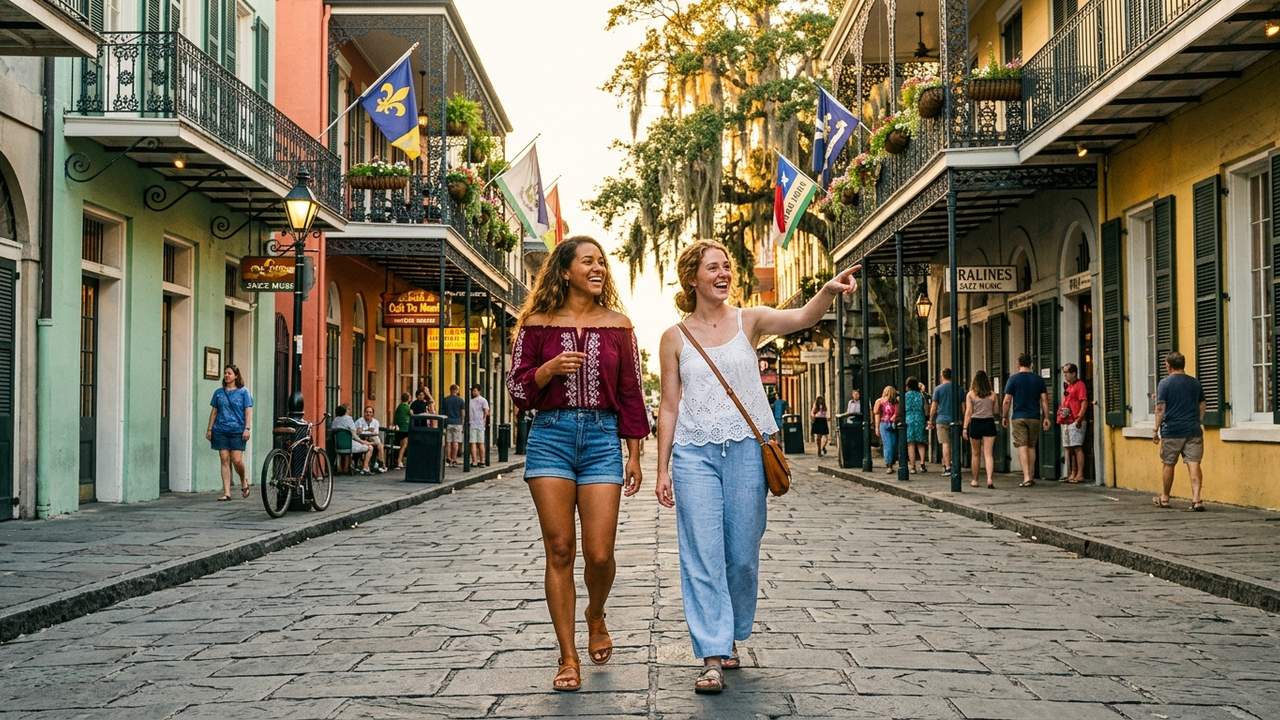
Image generated by AI
New Orleans Food Guide: Top Neighborhoods for Culinary Discovery Including French Quarter Creole Classics, Mid-City Local Institutions, and Tremé Soul Food Heritage Sites
NEW ORLEANS, June 12, 2026 — New Orleans neighborhoods continue to define the global culinary landscape, offering visitors an unparalleled density of distinct food traditions within a compact urban footprint. Industry reports and travel analysts identify five primary districts that serve as the epicenters of the city's gastronomic reputation, ranging from historic Creole foundations in the French Quarter to soul food preservation in Tremé-Lafitte. As of mid-2026, dining guides emphasize that strategic neighborhood selection is essential for accessing the full spectrum of the city's culinary heritage, which blends French technique, West African spice, Caribbean heat, and Cajun countryside influences into a unique food culture.
Context: A Living Culinary Archive
The city's cuisine operates as a living document of its history, with flavors evolving through centuries of cultural intersection. According to local food historians, no other U.S. city allows travelers to sample such a wide array of deeply rooted culinary traditions within a single square mile. Each neighborhood maintains its own food identity, distinct traditions, and specific recommendations for where visitors can secure the most authentic dining experiences. The following breakdown outlines the key districts that structure the city's food map.
French Quarter Anchors Historic Creole Cuisine and Iconic Landmarks
The French Quarter remains the foundational district where New Orleans earned its reputation as a U.S. food capital. This area codified the city's Creole culinary identity, preserving dishes that have remained largely unchanged for over a century. The cooking here reflects a sophisticated fusion of French, Spanish, and African traditions, characterized by butter-rich sauces and deep spice profiles.
Diners visiting this district can access several landmark establishments. Café Du Monde on Decatur Street has operated since 1862, serving fried dough pastries dusted heavily with powdered sugar. The venue continues to draw crowds seeking these hot, airy beignets prepared to order. For formal Creole dining, Galatoire's on Bourbon Street maintains white-tablecloth service and is renowned for shrimp remoulade and trout meunière. Brennan's, located in a distinctive pink building on Royal Street, claims the origin of Bananas Foster, a flambéed dessert prepared tableside. Additionally, Central Grocery and Deli on Decatur is the birthplace of the muffaletta, a round Italian sesame loaf stuffed with cured meats and olive salad, invented in 1906 and maintained as a neighborhood staple since.
Bywater District Emerges as Hub for Creative Dining and Local Vibes
Situated just downriver from the French Quarter, the Bywater neighborhood features a distinct atmosphere defined by colorful shotgun houses, pervasive street art, and a population mix of long-term residents and creative professionals. The dining scene mirrors this energy, offering inventive, chef-driven meals that emphasize value and approachability over pretension.
Bacchanal Wine Bar & Grocery has become a highly rated destination in the area, functioning as a wine bar that evolved into an outdoor live-music venue with a courtyard kitchen. The establishment focuses on charcuterie, small plates, and rotating specials. Pizza Delicious, which transitioned from a pop-up to a permanent location, maintains a loyal following for its New York-style cheese slices and pasta dishes. For baked goods, Petite Clouet Cafe operates a small, frequently crowded bakery known for cakes, coffees, and iced teas. Acamaya provides upscale Mexican cuisine in the district, highlighting seafood options such as octopus and blackened flounder, alongside desserts like flan and tres leches cake.
Garden District Delivers Refined Southern Dining Along Magazine Street
The Garden District is characterized by live oak canopies, Gothic mansions, and an atmosphere of old-school elegance that balances refinement with accessibility. The food culture here aligns with this aesthetic, offering dining that is rooted in Creole and Southern tradition while embracing modern sensibilities. This neighborhood is a primary destination for elaborate lunches and upscale dinners.
Commander's Palace stands as a central institution in the district, famous for its Saturday Jazz Brunch, which features live jazz and a three-course menu. The kitchen is noted for training numerous acclaimed chefs, including Emeril Lagasse, Jamie Shannon, and Tory McPhail. Stein's Market & Deli on Magazine Street operates a Jewish deli concept, offering house-cured meats, imported cheeses, and a Reuben sandwich. Parasol's functions as a hybrid bar-restaurant, gaining recognition for its roast beef po'boy. Coquette, also on Magazine Street, represents the district's modern dining wing, featuring a seasonally driven menu and a wine list that attracts culinary enthusiasts.
Mid-City Neighborhood Showcases Authentic Local Institutions and Vietnamese Corridors
Mid-City is widely recognized by industry observers as the most authentic neighborhood for residents who prioritize local dining over tourist trends. The area contains institutions that have served the same families for generations, earning their status through consistency rather than novelty.
Parkway Bakery & Tavern on Hagan Avenue is cited as the definitive location for a roast beef po'boy, utilizing slow-cooked, tender beef on French bread. The neighborhood also hosts a significant Vietnamese dining corridor, concentrated along Tulane Avenue and the broader Mid-City grid. Pho Tau Bay is identified as a top destination for pho, offering a broth recipe refined over decades. Mandina's Restaurant on Canal Street has operated since 1932 as an Italian-Creole establishment known for large portions and bold flavors. Liuzza's by the Track, located near the Fairgrounds, offers a casual setting featuring po'boys, cold beer, and a noted gumbo.
Tremé-Lafitte Neighborhood Preserves Soul Food Heritage and Cultural Legacy
Tremé-Lafitte serves as the spiritual heart of New Orleans culture and the birthplace of jazz. The food here reflects the origins of Creole and soul food traditions that underpin the city's entire culinary identity. Dining in this district is often described as an engagement with living history.
Dooky Chase's Restaurant is a sacred site in the local food community. Chef Leah Chase, who passed away in 2019 at age 96, was a pivotal figure in American culinary history. Her family continues the operation, which remains essential for its legendary fried chicken and Creole gumbo. Gabrielle Restaurant offers a family-run bistro experience featuring Cajun cuisine, shrimp appetizers, and sweet potato pie. Li'l Dizzy's provides a buffet-style spread on weekdays, serving red beans and rice, smothered chicken, fried catfish, and bread pudding.
Strategic Dining Advice and Cultural Festival Calendar for Visitors
Travel guides recommend timing visits around major culinary events. The New Orleans Jazz & Heritage Festival, occurring in late April to early May, features a curated selection of food vendors offering crawfish monica, cochon de lait po'boys, and international options like Guatemalan food and Vietnamese spring rolls. The French Quarter Fest in April provides free admission with local food vendors spread across stages. Halloween in late October offers favorable weather conditions and seasonal menus featuring pumpkin-spiced bread pudding and butternut squash bisque.
Reservation strategies vary significantly by venue. Establishments such as Commander's Palace, Galatoire's, Brennan's, Compère Lapin, and Peche require advance booking, particularly on weekends. Conversely, Bacchanal, Willie Mae's, Parkway Bakery, and Dooky Chase's operate on a walk-in basis, though early arrival is advised due to lines. Mid-City and Bywater spots generally accommodate walk-in traffic. From June through September, high humidity and heat influence dining patterns; locals typically prefer air-conditioned lunches and late dinners after sundown.
One Dish per Neighborhood Overview
The following table summarizes key signature items recommended for each primary district, based on current dining guides.
| Neighborhood | Recommended Signature Dish | Establishment |
|---|---|---|
| French Quarter | Trout meunière | Galatoire's |
| Bywater | Wine and charcuterie board | Bacchanal |
| Garden District | Turtle soup | Commander's Palace |
| Mid-City | Roast beef po'boy | Parkway Bakery |
| Warehouse District | Whole grilled fish | Peche |
Economic Context and Cost Analysis for Culinary Travelers
The cost of dining in New Orleans spans a wide range, reflecting a democratic food culture. Casual meals at institutions like Parkway Bakery, Pho Tau Bay, and Li'l Dizzy's often cost under $15. Fine dining experiences at venues such as Commander's Palace typically range from $60 to $100 or more per person. Visitors frequently adopt a balanced approach, combining casual lunches with select splurge dinners.
Regarding the broader cost of living, data indicates that the cost of living in New Orleans is 13.1% higher than the national average. However, housing costs show a different trend; the average rent in New Orleans is $1,271 per month, which is 23% lower than the national average rent of $1,644 per month. First-time visitors are advised to start in the French Quarter for classic experiences like beignets and muffalettas, then explore Mid-City for Parkway Bakery's roast beef po'boy and Tremé for fried chicken to experience the full range of the city's food culture.
Forward-Looking Implications
The persistence of neighborhood-specific food identities in New Orleans underscores the resilience of local culinary traditions against homogenization. As the city continues to attract visitors and residents, the balance between preserving historic institutions and accommodating new chef-driven concepts will likely shape the evolution of districts like Bywater and Mid-City. The data suggests that while tourism drives demand for iconic dining experiences, the economic structure of the city allows for affordable access to high-quality food across multiple income levels, ensuring that the neighborhood-based food culture remains accessible and vibrant. Stakeholders in the hospitality sector are monitoring these trends to optimize reservation systems and manage seasonal fluctuations, particularly during peak festival periods and summer heatwaves. The ongoing dedication to cultural preservation in areas like Tremé-Lafitte highlights how food serves as a mechanism for historical continuity, reinforcing the city's status as a unique destination where culinary heritage is actively maintained and consumed.
Related Travel Guides
Disclaimer
This article is for informational and educational purposes only. It does not constitute legal, financial, or professional advice. While we strive to provide accurate and up-to-date information, travel policies, regulations, and conditions change rapidly. Always verify information with official sources before making travel decisions. Nomad Lawyer makes no representations about the accuracy, reliability, completeness, or suitability of the information provided. Readers should consult qualified professionals for advice specific to their circumstances. The views expressed in this article are those of the author and do not necessarily reflect the views of Nomad Lawyer.
Preeti Gunjan
Contributor & Community Manager
A passionate traveller and community builder. Preeti helps grow the Nomad Lawyer community, fostering engagement and bringing the reader experience to life.
Learn more about our team →