
Zion National Park Gateway Protected: Historic 145-Acre Conservation Easement Safeguards Scenic Eastern Entrance from Commercial Development
A historic agreement permanently protects 145 acres of private land near Zion National Park's eastern entrance, blocking commercial development.

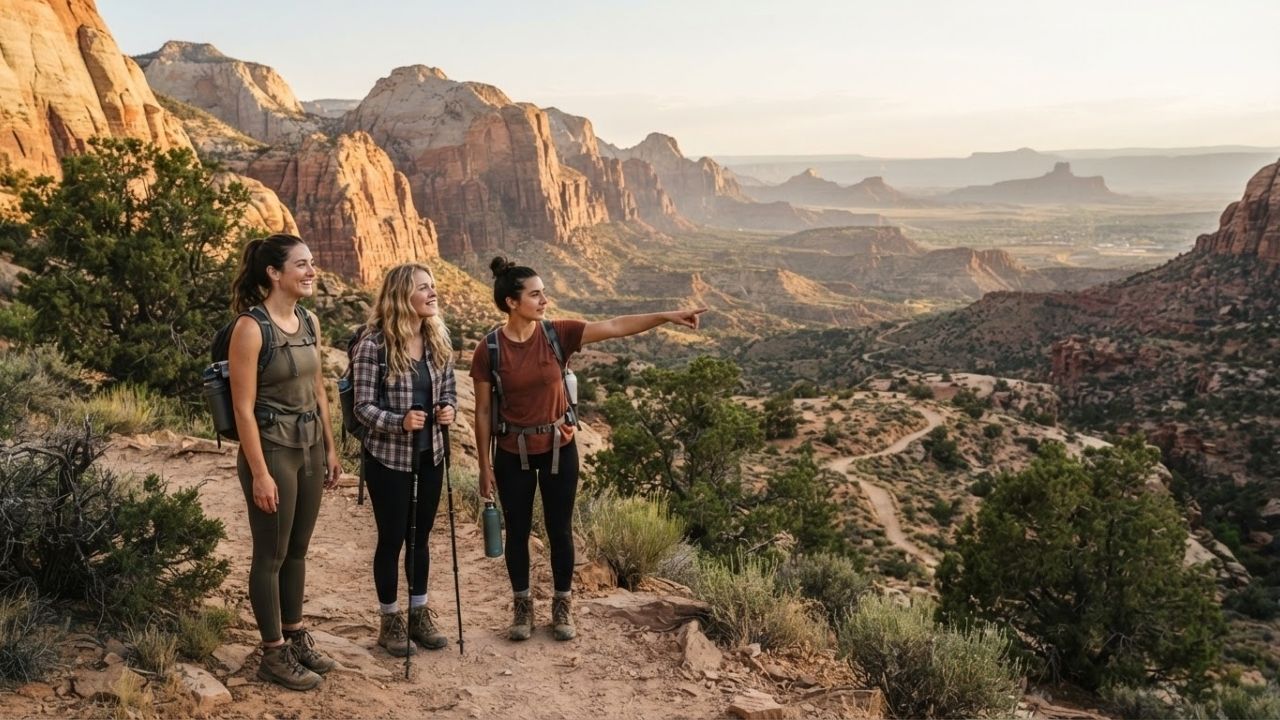
Image generated by AI
Blocking the construction of commercial infrastructure along one of Utah's most scenic approaches, a historic agreement has permanently protected 145 acres near the eastern entrance of Zion National Park.
Conservation-focused travel in the American Southwest has reached a major milestone as preservation groups block commercial developments near public lands. Tourism records show that the private property, located along the park's eastern gateway, has been placed under a permanent protective easement. The agreement ensures that the scenic viewshed remains free from future hotels, condominiums, and restaurants. This move protects the natural arrival experience that attracts millions of visitors to southern Utah each year, establishing a model for private-public conservation partnerships.
Gateway Preservation: The 145-Acre Conservation Easement
The protected acreage is located directly along the eastern approach corridor to Zion National Park in southwestern Utah. Under the terms of the agreement, the private landowner retains ownership of the property but permanently transfers all development rights to the Zion Forever Project. This non-profit partner will oversee long-term stewardship and monitoring.
By establishing a conservation easement, the partners have created a legally binding agreement that prevents commercial subdivision and construction. The land cannot be used for lodging, restaurants, or residential tracts, ensuring that the natural approach remains intact. This protection is especially important for the eastern entrance, which has historically offered a quieter experience than the highly developed western entrance in Springdale.
Enhancing the East Entrance Arrival Experience
The protection of the 145-acre parcel is designed to preserve the arrival experience for visitors entering the park. Conservationists emphasize that keeping this private corridor free of development protects the wilderness transition that travelers experience as they approach the park boundary.
Many national park visitors seek opportunities to connect with nature away from commercial environments. Protecting the adjacent private buffer zones helps maintain the natural setting of the destination. This approach supports the region's tourism strategy, which prioritizes preserving natural scenery over maximizing commercial build-out along park borders.
Sustainable Outdoor Recreation and Trail Network Expansion
While the agreement prevents commercial construction, it supports the development of low-impact recreation infrastructure. Plans for the protected property include the construction of an expanded trail network for non-motorized activities.
This trail system will allow hikers, trail runners, and nature enthusiasts to explore the local terrain without impacting the environment. The focus on non-motorized access aligns with sustainable tourism trends, where destinations design trail systems that keep visitors on designated paths, minimizing soil erosion and protecting native vegetation.
Balancing Visitor Volumes and Ecosystem Integrity in Southern Utah
Zion National Park remains one of the most popular outdoor destinations in the United States, known for its deep sandstone canyons, high cliffs, and river trails. The park’s popularity has created challenges around visitor management, including trail congestion and infrastructure pressure.
Popular attractions like the Angels Landing hiking route, the Zion Canyon scenic drive, and the Narrows river hike require careful management to protect fragile desert ecosystems. Protecting adjacent private lands helps prevent additional development that could increase congestion at the park boundary. This helps maintain the ecological integrity of wildlife corridors and local watersheds that cross park borders.
Sustainable Tourism and Public-Private Conservation Partnerships
The land agreement reflects a wider shift toward sustainable tourism across Utah's "Mighty 5" national parks, which include Zion, Bryce Canyon, Arches, Canyonlands, and Capitol Reef. While tourism generates economic benefits for gateway communities, uncontrolled development near park borders can damage the natural character of these destinations.
By utilizing conservation easements, local communities and non-profit organizations can protect important ecosystems without requiring public land acquisition. The Zion Forever Project's involvement demonstrates how private philanthropy and land management partnerships can support public land managers in protecting the natural settings that define the American West.
Practical Traveler Tips and Local Insider Tips
Planning a trip to Zion National Park requires attention to seasonal schedules and trail rules. Local rangers and conservation guides recommend keeping these guidelines in mind:
- Visit During the Winter Shoulder Season: To avoid the summer crowds, plan your visit between December and February. The canyon trails are quiet, and you can drive your own vehicle through the main canyon instead of using the mandatory shuttle buses.
- Try the Local Boysenberry Pie: Stop at the local cafes near the east entrance or in Springdale to sample homemade boysenberry pie, a traditional regional dessert that supports local family-run businesses.
- Respect Fragile Cryptobiotic Soil: When hiking the sandy trails near the east entrance, stay on the designated paths. The dark, crusty soil is alive with microorganisms that prevent erosion and take decades to recover if stepped on.
- Hike the Canyon Overlook Trail: For spectacular views without the crowds of Angels Landing, hike the Canyon Overlook Trail near the east entrance. The trail is short, runs along the sandstone cliffs, and ends at a viewpoint over Pine Creek Canyon.
- Observe Low-Impact Trail Etiquette: Keep voices low in narrow canyons where echoes can disrupt other visitors and local wildlife. Pack out all trash, including food scraps, to prevent attracting non-native species to the trails.
Zion National Park Conservation and Tourism Matrix
| Protected Land Component | Geographic / Structural Scope | Conservation Management Partner | Intended Public Benefit |
|---|---|---|---|
| Acreage Protected | 145 Acres near East Entrance | Zion Forever Project | Prevents hotels, condos, and restaurants |
| Legal Structure | Permanent Conservation Easement | Private landowner & nonprofit board | Retains private ownership; transfers development rights |
| Natural Resources Protected | Wildlife corridors, watershed systems | Zion National Park ecologists | Prevents habitat fragmentation and water pollution |
| Arrival Experience | Scenic approach corridor | National Park Service | Preserves open views and wilderness character |
| Recreation Integration | Non-motorized trail networks | Local tourism departments | Expands hiking and educational walks |
Frequently Asked Questions
What are the details of the land protection deal near Zion?
A private landowner permanently transferred the development rights of 145 acres near Zion National Park's eastern entrance to the Zion Forever Project, creating a protective conservation easement.
Can commercial buildings be constructed on the protected land?
No. The agreement permanently prohibits the construction of commercial infrastructure, including hotels, condominiums, restaurants, and retail spaces on the 145-acre parcel.
How will the conservation easement improve the visitor experience?
The agreement preserves the natural approach to the park's eastern entrance, maintaining open views, protecting wildlife habitats, and supporting the development of non-motorized trail networks.
What other Utah parks are connected to the region's tourism?
Zion is part of Utah's "Mighty 5" national parks, which also include Bryce Canyon, Arches, Canyonlands, and Capitol Reef, collectively forming a major outdoor tourism corridor.
The Long-Term Outlook for Gateway Conservation
The protection of the Zion gateway shows that preserving natural buffers around national parks is a viable strategy for sustainable tourism. As visitor numbers grow, protecting these borders becomes increasingly important for the visitor experience and wildlife conservation. By showing that natural scenery is an economic asset, private-public partnerships can help secure the future of the region's parks. For travelers, these efforts ensure that the dramatic canyons and red rock vistas of southern Utah remain preserved for the future.
By supporting local non-profit partners and respecting park rules, travelers help preserve Zion's scenic gateways for future generations.
Related Travel Guides
Disclaimer
This article is for informational and educational purposes only. It does not constitute legal, financial, or professional advice. While we strive to provide accurate and up-to-date information, travel policies, regulations, and conditions change rapidly. Always verify information with official sources before making travel decisions. Nomad Lawyer makes no representations about the accuracy, reliability, completeness, or suitability of the information provided. Readers should consult qualified professionals for advice specific to their circumstances. The views expressed in this article are those of the author and do not necessarily reflect the views of Nomad Lawyer.
Raushan Kumar
Founder & Lead Developer
Full-stack developer with 11+ years of experience and a passionate traveller. Raushan built Nomad Lawyer from the ground up with a vision to create the best travel and law experience on the web.
Learn more about our team →