
Zakopane Poland 2026: How This Alpine Town Became Central Europe's Premier Mountain Destination for Hikers and Skiers
Zakopane is surging as Central Europe's top alpine destination, combining Tatra Mountain skiing, glacier lake hikes, and traditional wooden architecture that attracts adventure travelers worldwide.

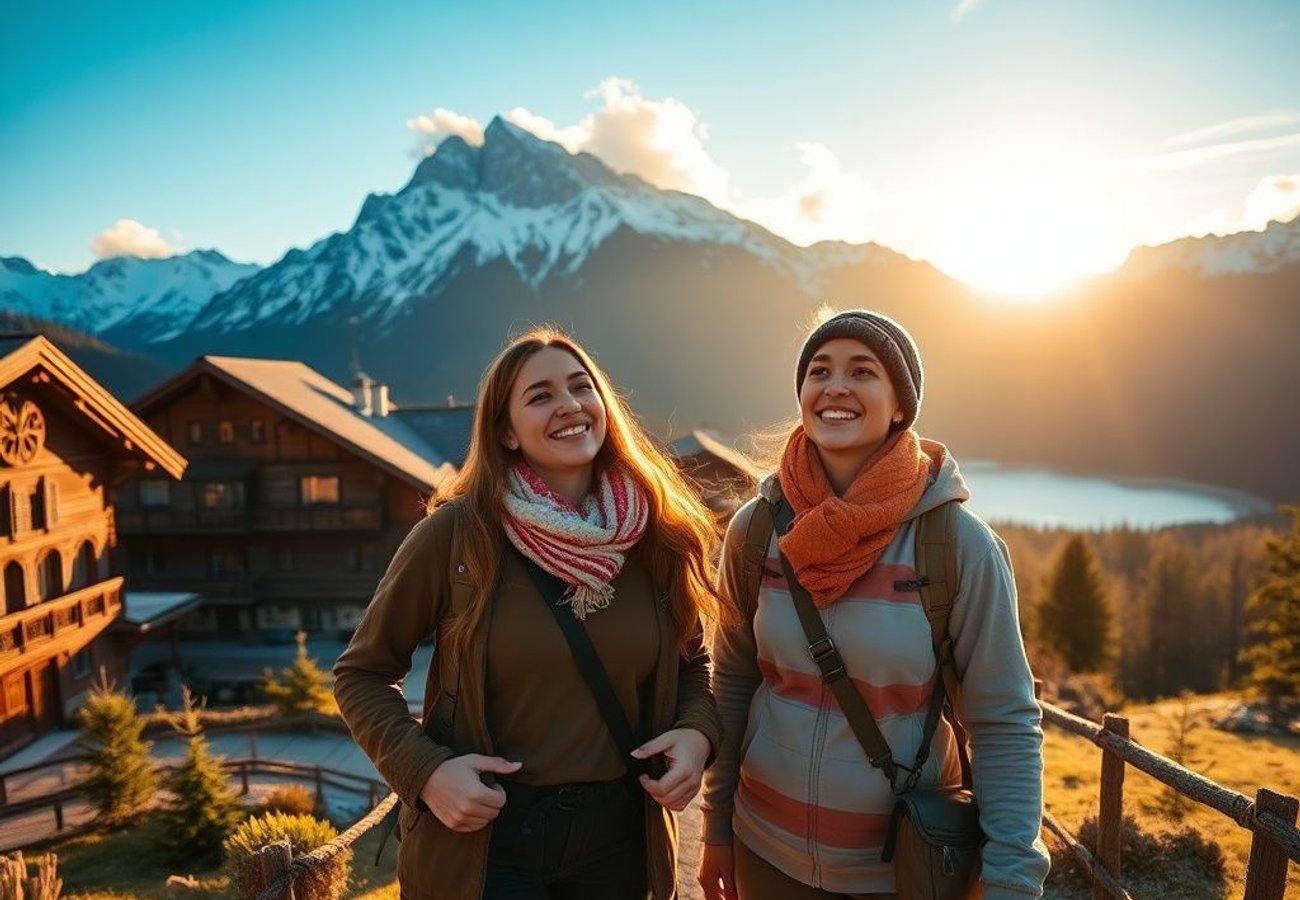
Image generated by AI
A Quiet Polish Mountain Town is Quietly Reshaping Alpine Tourism in Europe
Walk into any mountain traveler's conversation across Central Europe right now, and you'll hear one name repeatedly: Zakopane. This southern Polish alpine resort, tucked against the Slovak border, has quietly become the region's most compelling destination for outdoor adventurers, winter sports enthusiasts, and culture seekers. What was once a niche mountain retreat is now commanding serious attention from international tourism operators and travel journalists.
The numbers tell the story. Zakopane's position as a gateway to the Tatra Mountains has never been stronger, with year-round tourism opportunities transforming this town from a seasonal ski hub into a 365-day adventure destination.
Reddit: "Zakopane hit different than expected—the mountains, the food, the people. I went for a long weekend and stayed for two weeks." — r/travel
The Tatra Mountains: Europe's Underrated Alpine Powerhouse
What makes Zakopane so compelling isn't luck—it's geography and infrastructure working in perfect harmony.
The town serves as the primary gateway to the Tatra Mountains, which form part of the greater Carpathian range stretching across Eastern Europe. Unlike oversaturated Alpine destinations in Switzerland or Austria, Zakopane offers dramatic elevation gain, protected wilderness, and accessibility that rival any European ski or hiking destination. The Tatra National Park regulations ensure that development remains balanced with conservation—a critical advantage as overtourism reshapes European travel patterns.
Transport connectivity from Kraków (roughly 100 kilometers north) and cross-border links from Slovakia have positioned Zakopane as the logical entry point for regional exploration. This accessibility has proven critical to its growth trajectory.
Winter Takes Over: Kasprowy Wierch Transforms Zakopane into a Ski Capital
When snow arrives, Zakopane transforms into something entirely different.
Kasprowy Wierch sits at the heart of this seasonal metamorphosis. This high-altitude ski area, accessible via cable car systems, provides stable snow conditions and technical terrain that attracts both Polish domestic skiers and international alpine sports enthusiasts. Equipment rental services, mountain lodges, and hospitality infrastructure surge during winter months—creating economic momentum that extends well beyond the ski season itself.
The cable car access means you don't need advanced mountaineering skills to reach dramatic elevation. You arrive at the summit, step out into thin alpine air, and suddenly understand why Zakopane has become such a magnet for winter travelers seeking authentic European skiing without the crowds (or prices) of Chamonix or St. Moritz.
Summer Belongs to Morskie Oko: Poland's Most Iconic Mountain Lake
When summer arrives, the hiking trails explode with activity, and Morskie Oko becomes the pilgrimage site.
This glacial lake, cradled deep within the Tatra National Park, has been photographed more times than most travelers can count. Crystal-clear waters reflect surrounding peaks in a way that feels almost impossible—the kind of landscape that makes you understand why early alpinists fell in love with mountains.
Access is deliberately managed through designated hiking routes. The Tatra National Park enforces strict environmental protocols to protect the ecosystem while still allowing structured visitor access. This isn't gatekeeping—it's conservation-minded tourism policy that other European destinations would do well to study.
The hike itself takes roughly 2-3 hours depending on fitness level, but the payoff justifies every step. This is where Zakopane transitions from a town you visit to a basecamp you depend on.
Beyond the Famous Lake: A Network of Hidden Trails and Waterfalls
Morskie Oko gets the Instagram attention, but the real depth of Zakopane tourism lies in the broader hiking network.
The Tatra region is crisscrossed with well-marked routes that accommodate everyone from casual walkers to experienced mountaineers. Alpine meadows, forested valleys, technical rock scrambles, and cascading waterfalls characterize the landscape. Summer hiking patterns show a pronounced international influx—photographers, nature writers, and outdoor enthusiasts converging on the region when conditions are optimal.
The seasonal tourism rhythm is unmistakable. Peak summer months (July-August) see accommodation booked solid, trails crowded, and local restaurants operating at full capacity. Shoulder seasons (May-June, September-October) offer fewer crowds but equally stunning conditions.
Mt. Gubałówka: Accessible Alpine Views for Everyone
Not everyone wants to spend three hours hiking to reach a mountain vista. Mt. Gubałówka solves this elegantly.
The funicular railway system transports visitors to panoramic viewpoints above Zakopane without requiring strenuous physical effort. Families, elderly travelers, and those simply seeking quick alpine views can experience the majesty of the Tatra Mountains from elevated vantage points. At the summit, observation areas, walking paths, and local food stalls create a complete visitor experience while maintaining the natural setting.
This democratic approach to mountain access—making views available to varying fitness levels—explains why Zakopane appeals to such a broad demographic. You can be 75 years old with mobility challenges and still experience genuine alpine grandeur.
The Architecture That Makes Zakopane Unmistakably Polish
Step into Zakopane's town center, and you're surrounded by something you won't see elsewhere in Europe: traditional wooden architecture that defines the "Zakopane style."
Intricate carvings, decorative elements, and designs rooted in mountain folk traditions characterize the buildings that haven't been bulldozed for modern development. Many structures have been deliberately preserved or restored. This architectural identity matters—it separates Zakopane from generic ski towns that could be located anywhere.
Museums and cultural institutions showcase regional history, folk art, and the town's evolution from small mountain settlement to international tourism hub. These aren't afterthoughts tacked onto an adventure itinerary. They're integral to understanding why Zakopane feels authentically Polish in ways that cosmopolitan Warsaw or Krakow simply don't.
Adventure Beyond Hiking and Skiing: Rafting, Food, and Local Experiences
The Zakopane tourism ecosystem extends beyond traditional mountain sports.
River rafting on nearby waterways provides warm-season adventure alternatives. Regulatory frameworks ensure safety and environmental protection while supporting local outfitters and guides. Local food experiences have evolved into genuine tourism draws. Traditional regional dishes served in mountain lodges and village restaurants connect travelers to the culinary heritage of the Tatra region.
This diversification matters. It means Zakopane functions as a complete destination, not just a ski slope or hiking basecamp.
The Delicate Balance: Growth Without Degradation
As tourism to Zakopane accelerates, the fundamental challenge becomes clear: how do you accommodate growing visitor numbers while preserving the natural and cultural assets that attracted those visitors in the first place?
The region has largely succeeded through structured environmental protection, designated hiking routes, and national park regulations that require careful tourism planning. This isn't perfect—no tourism destination manages growth flawlessly—but the commitment to balance is evident and intentional.
This approach offers a template for other European destinations facing similar pressures. Zakopane proves that you can build a thriving tourism economy without destroying the very assets that create economic value.
Why Zakopane Matters Now
Zakopane represents something increasingly rare in European travel: an alpine destination that hasn't been homogenized into generic mountain tourism. It combines world-class skiing infrastructure, dramatic hiking terrain, distinctive architecture, and genuine cultural identity in a single location.
The rising wave of interest in Zakopane tourism reflects broader travel patterns—people seeking authentic experiences, meaningful engagement with local culture, and landscapes that still feel genuinely wild. The town's position as a gateway to the Tatra Mountains will only strengthen as travelers become more sophisticated in their destination selection.
For nomadic professionals, adventure seekers, and cultural explorers planning 2026 travel, Zakopane belongs on your itinerary.
The mountains don't care about tourism trends—they just keep being magnificent.
Related Travel Guides
-
Travel Chicago Joins Elite Safe Cities for Solo Female Adventurers in 2026
-
Oregon Small Town Gem: Locals Reveal Why Yachats State Park Stays Hidden
-
Jill Chalmers Glenapp Castle MD Wins Lifetime Achievement Award 2026
Zakopane, verify current travel advisories, weather conditions, and national park regulations through official Polish tourism sources and your government's travel advisory services. Mountain conditions can change rapidly—consult local guides before attempting any alpine activities.
Disclaimer
This article is for informational and educational purposes only. It does not constitute legal, financial, or professional advice. While we strive to provide accurate and up-to-date information, travel policies, regulations, and conditions change rapidly. Always verify information with official sources before making travel decisions. Nomad Lawyer makes no representations about the accuracy, reliability, completeness, or suitability of the information provided. Readers should consult qualified professionals for advice specific to their circumstances. The views expressed in this article are those of the author and do not necessarily reflect the views of Nomad Lawyer.
Kunal K Choudhary
Co-Founder & Contributor
A passionate traveller and tech enthusiast. Kunal contributes to the vision and growth of Nomad Lawyer, bringing fresh perspectives and driving the community forward.
Learn more about our team →