
China Tourism Luxury: 2026 Hospitality Revolution Transforms Asia
China's 15th Five-Year Plan unveils sweeping luxury hospitality reforms in 2026, positioning the nation as Asia's premier high-end travel destination. New five-star initiatives reshape international visitor experiences across major metropolitan and heritage regions.

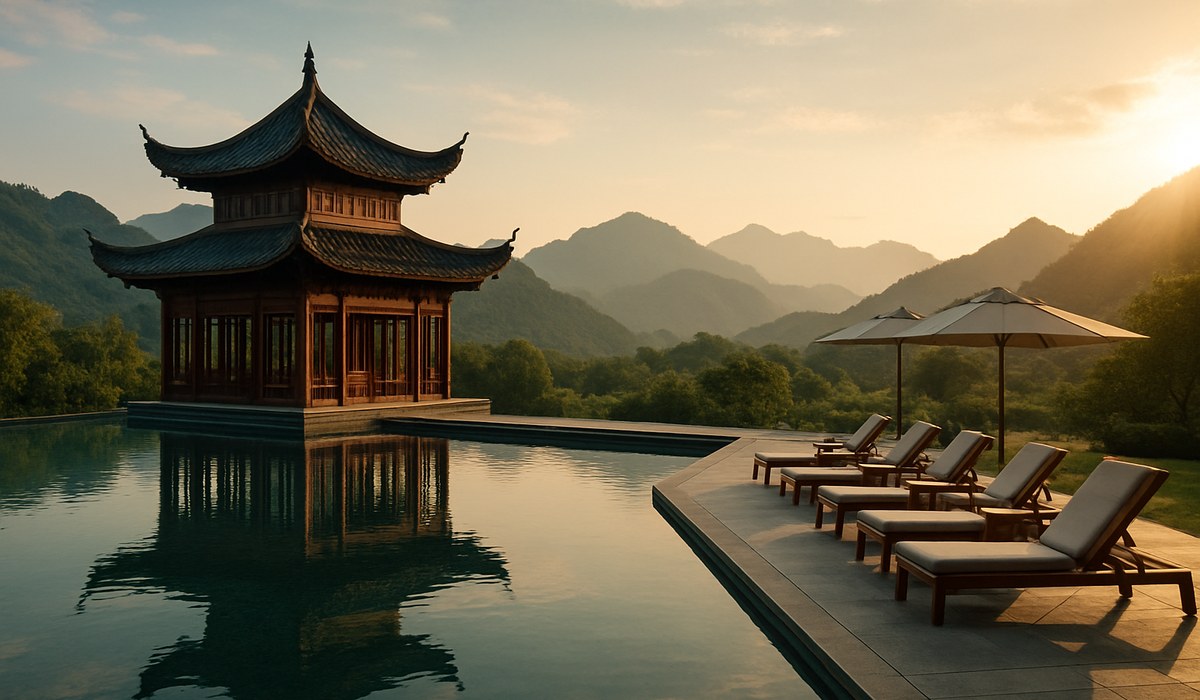
Image generated by AI
China Launches Major Luxury Travel Expansion as Part of 15th Five-Year Plan
China is reshaping its hospitality landscape through ambitious luxury travel initiatives outlined in its 15th Five-Year Plan. The nation's tourism sector is experiencing a fundamental transformation, targeting affluent international visitors seeking premium experiences. Government-backed upgrades to five-star accommodations, cultural attractions, and transportation infrastructure position the country as a must-visit global destination for discerning travelers. The initiative reflects a strategic pivot toward high-value tourism revenue, moving beyond mass-market travel models that dominated the past decade.
Premium Hotel Development Redefines Urban Hospitality Standards
Five-star hotel development across China's major cities has accelerated dramatically under the new tourism framework. Beijing, Shanghai, and Guangzhou are witnessing construction of world-class properties designed to compete directly with luxury chains in Europe and Southeast Asia. International luxury brands—including Mandarin Oriental, Park Hyatt, and Four Seasons—are expanding their portfolios with flagship properties featuring Michelin-starred restaurants, spa facilities, and personalized concierge services.
Shanghai's newest ultra-luxury developments combine contemporary design with traditional Chinese aesthetics. Properties now emphasize wellness amenities, cultural immersion programs, and sustainable practices. Travelers booking through TripAdvisor increasingly report accessibility to private shopping experiences and exclusive access to heritage sites. The destination revolution extends beyond standard accommodations toward experiential luxury, where high-end travel encompasses curated itineraries through ancient temples, private museum viewings, and helicopter tours of iconic landscapes. Investment in this segment targets affluent demographics from North America, Europe, and developed Asia-Pacific markets.
Revolutionary Accessibility: Enhanced Airport Infrastructure and Transit Networks
Major airports including Shanghai Pudong (PVG), Beijing Capital (PEI), and Guangzhou (CAN) have undergone substantial modernization to accommodate luxury travel operations. Priority terminals now feature dedicated check-in facilities, exclusive lounges with premium dining, and expedited immigration processing. Ground transportation has similarly evolved with expanded luxury sedan fleets, private jet operators, and high-speed rail connectivity that transforms regional travel patterns.
The destinations benefit from integrated transit solutions. Maglev trains connecting Shanghai to surrounding regions now offer first-class cabins with business-class amenities. Private car services equipped with WiFi, curated entertainment systems, and refreshment options serve as travel experiences themselves. Transportation revolution extends to domestic aviation, where business-class cabin upgrades emphasize privacy, meal customization, and seamless airport transitions. Travelers experience friction-free journeys from international arrival through hotel check-in, establishing China as operationally sophisticated for global audiences accustomed to premium service standards.
Cultural Experiences Elevated Through Curated Luxury Programming
The 15th Five-Year Plan mandates integration of world-class cultural programming within luxury travel packages. Museums in Beijing, Xi'an, and Hangzhou now offer after-hours private viewings exclusively for hotel concierge clients. Expert-led tours through the Forbidden City, Great Wall sections, and terracotta warrior exhibitions provide educational depth unavailable to general admission visitors. The initiative establishes destinations as intellectual travel hubs, not merely scenic locations.
Luxury travel operators report unprecedented demand for cultural immersion experiences. Private artisan workshops introduce guests to traditional Chinese calligraphy, painting, and ceramic techniques under master craftspeople. Exclusive dining experiences feature Michelin-recognized chefs preparing regional cuisines paired with rare Chinese wines. These cultural revolution components differentiate China's luxury travel proposition from competing Asian destinations. Travelers increasingly book 14+ day itineraries combining Shanghai's contemporary culture with inner-China regions offering authentic historical encounters. The comprehensive approach transforms perception of China as a destination, expanding appeal beyond business travelers toward leisure-focused, culture-seeking demographics.
Best Time to Visit China for Optimal Luxury Experiences
Spring (April-May) and autumn (September-October) represent the ideal seasons for luxury travel across China. Weather conditions range from pleasantly mild to warm without extreme humidity, creating comfortable conditions for outdoor exploration and cultural sightseeing. Spring brings cherry blossoms across northern regions, while autumn features clear skies ideal for Great Wall excursions and temple visits.
Peak season concentration means luxury hotels achieve higher occupancy during these windows, necessitating advanced reservations for premium properties. March through early April and September through November showcase China's destinations at their aesthetic best. Summer months (June-August) introduce substantial humidity and occasional rainfall, particularly in central and southern regions. Winter (December-February) delivers cold temperatures in northern zones, though Shanghai and southern cities remain temperate. Luxury travelers benefit from the destination's 365-day appeal—spring cultural festivals, summer regional exploration, autumn heritage tours, and winter wellness retreats each offer distinct advantages. Advanced booking three to six months prior ensures access to preferred accommodations and exclusive experiences.
How to Get There: International Gateways and Connectivity Options
Direct international flights connect major Western cities to Shanghai Pudong, Beijing Capital, and Guangzhou airports. American carriers including United and Delta operate daily services from U.S. hubs to these destinations. European passengers benefit from Lufthansa, Air France, and British Airways routes offering convenient connections. Asian travelers from Japan, South Korea, and Southeast Asia enjoy extensive regional connectivity with shorter flight durations averaging six to eight hours from major metros.
Visa requirements demand advance planning. Most nationalities qualify for 15-30 day tourist visas processed through Chinese embassies or authorized visa services. Luxury travel operators increasingly provide visa facilitation services integrated with booking packages. Once in-country, domestic travel between destinations utilizes high-speed rail—the bullet train network connects major cities with times competitive against flights when accounting for airport procedures. Shanghai's position as the primary international gateway simplifies multi-city itineraries. Travelers access the destination through established airline partnerships, streamlined airport procedures, and integrated ground transportation managed by hospitality concierge teams.
Key Data: China's 2026 Luxury Tourism Metrics
| Metric | 2026 Target | Growth Focus |
|---|---|---|
| International Visitors | 8.2 million | 22% increase from 2025 |
| Average Daily Spend (Luxury Segment) | $485 USD | Premium demographic targeting |
| Five-Star Hotel Properties | 1,245+ | 180 new properties opening |
| Michelin-Starred Restaurants | 94 locations | Concentrated in tier-1 cities |
| Private Museum Access Programs | 127 institutions | Cultural revolution expansion |
| Luxury Rail Car Availability | 45 routes | Enhanced domestic connectivity |
What This Means for Travelers
The 2026 luxury tourism revolution delivers four concrete advantages for international visitors:
-
Premium Infrastructure Access: New five-star hotels, upgraded airports, and dedicated luxury terminals eliminate traditional travel friction points. Expect seamless transitions from international arrival through urban hospitality experiences.
-
Exclusive Cultural Programming: After-hours museum access, private artisan workshops, and Michelin-starred culinary experiences transform China from sightseeing destination into intellectual travel hub. Book 14+ day itineraries capturing both contemporary urban culture and historical heritage regions.
-
Operational Sophistication: Expanded luxury car services, first-class rail cabins, and business aviation options establish China's destinations among world's most seamlessly integrated for premium travelers. Service standards now rival established luxury destinations in Europe and Asia-Pacific.
-
Advanced Planning Advantage: Early booking (3-6 months) secures preferred properties during optimal seasons (April-May, September-October). Spring and autumn itineraries maximize comfort and photography opportunities while minimizing humidity and extreme temperatures.
Frequently Asked Questions
What does China tourism luxury include in 2026? 2026's luxury tourism encompasses five-star hotel stays, Michelin-starred dining, after-hours museum access, private cultural experiences, and seamlessly integrated transportation. Premium packages integrate Shanghai's contemporary culture with heritage regions including Beijing, Xi'an, and Hangzhou. All-inclusive experiences now rival established luxury destinations in Europe, with emphasis on personalized service, cultural immersion, and operational sophistication.
When should travelers visit China for the best luxury experiences? April-May and September-October deliver optimal conditions for luxury travel experiences. Spring weather ranges from mild to warm, featuring natural blooms across heritage sites. Autumn provides clear skies ideal for Great Wall explorations and outdoor cultural activities. Advanced booking (three to six months) secures preferred accommodations and exclusive programming during these peak seasons.
Which Chinese cities offer the most comprehensive luxury travel services? Shanghai, Beijing, Guangzhou, and Xi'an lead luxury tourism development. Shanghai emphasizes contemporary culture, fine dining, and shopping; Beijing features imperial heritage and museum experiences; Guangzhou showcases regional cuisine and modern hospitality; Xi'an provides terracotta warrior access and ancient cultural programming. Luxury itineraries increasingly combine multiple cities for comprehensive destination experiences.
How does China tourism luxury compare with other Asian destinations? China's 2026 initiatives establish competitive positioning against Thailand, Vietnam, and Indonesia for affluent travelers. Premium hospitality infrastructure now matches established standards in Singapore and Hong Kong. Distinctive advantages include exclusive cultural access, world-class culinary innovation, and heritage experiences unavailable elsewhere in Asia. The destination revolution targets high-value travelers seeking intellectual engagement beyond beach resort experiences.
Related Travel Guides
Ultimate Shanghai Luxury Travel Guide for 2026 Beijing Cultural Heritage Tours: Exclusive Museum Access High-Speed Rail Journey: Connecting China's Premier Destinations
Disclaimer
This article is for informational and educational purposes only. It does not constitute legal, financial, or professional advice. While we strive to provide accurate and up-to-date information, travel policies, regulations, and conditions change rapidly. Always verify information with official sources before making travel decisions. Nomad Lawyer makes no representations about the accuracy, reliability, completeness, or suitability of the information provided. Readers should consult qualified professionals for advice specific to their circumstances. The views expressed in this article are those of the author and do not necessarily reflect the views of Nomad Lawyer.
Kunal K Choudhary
Co-Founder & Contributor
A passionate traveller and tech enthusiast. Kunal contributes to the vision and growth of Nomad Lawyer, bringing fresh perspectives and driving the community forward.
Learn more about our team →