
Why Zacatecas Is Mexico's Most Compelling Silver City Cultural Escape

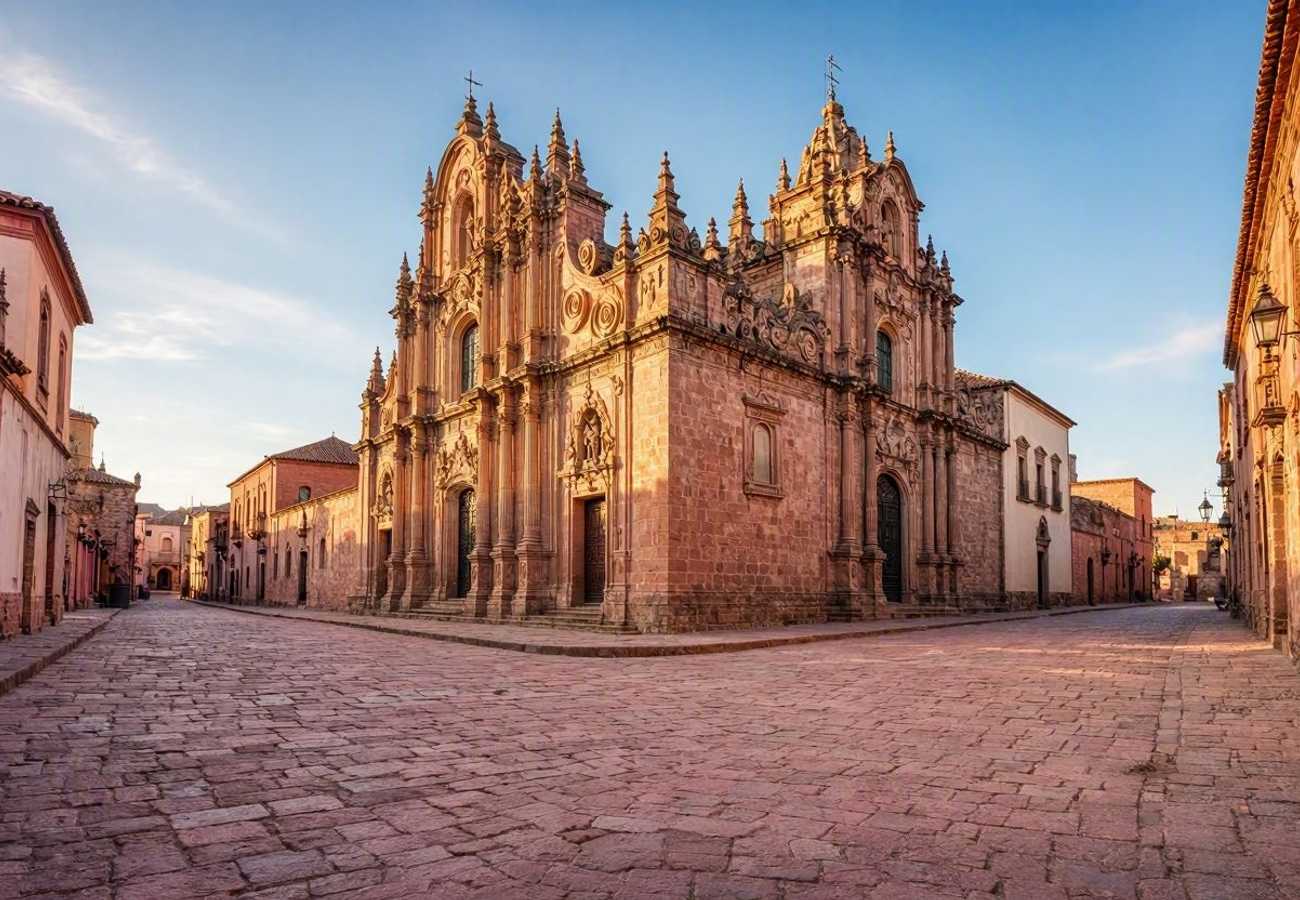
Image generated by AI
Anchored by a 480-year mining lineage that supplied nearly one-third of the Spanish Empire's silver, the high-altitude colonial capital of Zacatecas presents one of the most architecturally intact heritage corridors in North America. Designated a World Heritage site in 1993, this central Mexican enclave defies typical beach resort itineraries, drawing culturally focused travelers into a canyon-cradled city of hand-carved pink quarry stone (cantera rosa), dramatic aerial cableways, and subterranean industrial relics that date back to the initial mineral discovery of 1546.
While coastlines and hyper-commercialized resort enclaves command the bulk of North American holiday bookings, Zacatecas represents a different dimension of Mexican tourism. Rising at an elevation of nearly 2,500 meters above sea level, the state capital balances extraordinary 16th- to 18th-century European Baroque architecture with living indigenous artistry. However, the destination sits at a complex intersection between immense cultural value and heightened travel scrutiny, requiring informed travelers to understand both its historic magnificence and its modern transit logistics.
Spanish Silver Wealth and Colonial Urban Planning: The 1546 Mining Legacy
The structural trajectory of Zacatecas was established in 1546 when Basque prospector Juan de Tolosa and his expedition discovered immense silver veins at the base of the surrounding volcanic outcrops. Within decades, Zacatecas evolved into one of the principal economic engines of New Spain, generating vast mineral fortunes that directly bankrolled Catholic monastic orders, civic palacios, and transcontinental trade routes linking Mexico City with northern frontier settlements.
Unlike Spanish colonial settlements founded on rigid grid patterns mandated by the Laws of the Indies, Zacatecas developed organically along the narrow contortions of a mountain gulch. Its streets, alleys (callejones), and stairways wind steeply between ridgelines, creating an idiosyncratic urban footprint. In recognition of this rare urban topography and its surviving architectural fabric, the UNESCO World Heritage Centre inscribed the Historic Centre of Zacatecas onto its prestigious roster in 1993.
The crown jewel of this historic core is the Zacatecas Cathedral, situated along the Plaza de Armas. Erected between 1729 and 1753, its three-tiered facade represents an apex of ultra-baroque (Churrigueresque) stone carving executed in regional pink sandstone. Intricate relief sculptures combine classical European theological iconography with indigenous botanical flourishes and cherubic motifs, illustrating the distinct aesthetic dialogue that occurred during colonial conversion. Just steps away, the 19th-century cast-iron Mercado González Ortega showcases how Porfirian-era commercial halls integrated European industrial metallurgy into the heart of a classical stone city.
Vertical Topography and Architectural Anchors: From Cable Cars to Mina El Edén
Zacatecas is defined by its verticality, offering visitors perspective shifts from subterranean mining tunnels to panoramic high-altitude vistas. The Cerro de la Bufa, a sheer 2,610-meter rock formation dominating the eastern skyline, functions as both a geographic beacon and a sacred site of Mexican revolutionary history. It was here in June 1914 that Pancho Villa’s División del Norte defeated federal troops in the Battle of Zacatecas, a decisive military encounter that altered the direction of the Mexican Revolution.
Visitors access this landmark via the Zacatecas Cable Car (Teleférico), an aerial tramway system originally opened in 1979 and modernized with Swiss engineering to traverse the 650-meter aerial span between Cerro del Grillo and Cerro de la Bufa. Gliding 85 meters above colonial rooftops, cathedral belfries, and internal courtyards, the system delivers an aerial masterclass in high-density historic preservation.
Beneath the city hills lies Mina El Edén, a historic silver and zinc mine that operated continuously from 1586 until the mid-20th century. Today, guided tours transport visitors deep into restored horizontal adits aboard a narrow-gauge electric train. The subterranean complex preserves original hand-hewn shafts, suspension bridges over flooded chasms, and an extensive mineral museum showcasing global crystalline specimens. This site provides a tangible educational counterweight to the ornamental splendor above ground, grounding visitors in the grueling labor that built the colonial empire.
Complementing this industrial archaeology is a remarkable museum infrastructure. The Museo Rafael Coronel, housed inside the majestic roofless ruins of the 16th-century Convent of San Francisco, exhibits an internationally acclaimed archive of over 10,000 traditional Mexican ceremonial masks. Nearby, the Museo Pedro Coronel, situated in an expansive 17th-century former Jesuit college, presents an astonishing collection of modern and classical global art, featuring masterworks by Picasso, Miró, Dalí, and Goya alongside ancient Greco-Roman, pre-Columbian, and African artifacts.
| Heritage Asset | Historical Era / Designation | Geographic Context | Traveler Highlight |
|---|---|---|---|
| Zacatecas Cathedral | 1729–1753 (Churrigueresque) | Historic Downtown Plaza de Armas | Pink cantera rosa facade with indigenous-baroque relief carvings |
| Historic Center UNESCO Zone | 1993 World Heritage Listing | Canyon basin (2,490m elevation) | Organic street plan adapting to ravine topography without a grid |
| Mina El Edén | 1586–1960 Operational Era | Under Cerro del Grillo | Subterranean electric train, colonial mine shafts, and mineral museum |
| Cerro de la Bufa & Teleférico | 1914 Battle Site; 1979 Cableway | 2,610m volcanic promontory | 650m aerial span over historic roofs and Revolutionary monument |
| Museo Rafael Coronel | 16th-Century San Francisco Ruins | Northern historic perimeter | World's premier archive of Mexican ceremonial folk masks |
| La Quemada Ruins | 600–900 CE Pre-Hispanic Era | Malpaso Valley (Villanueva) | Monumental colonnade, sunken plazas, and pyramid complex |
Regional Corridors: Pueblos Mágicos, Gastronomy, and Pre-Hispanic Frontiers
The tourism value of Zacatecas expands significantly when travelers treat the state capital as the anchor of a multi-day regional itinerary. Beyond the urban core, several designated Pueblos Mágicos (Magical Towns) highlight regional heritage. Jerez de García Salinas, situated 56 kilometers southwest of the capital, preserves 19th-century neoclassical manors, vibrant brass tambora bands, and deeply rooted equestrian culture. To the south, Teúl de González Ortega offers cobblestone quietude flanked by centuries-old artisanal mezcal distilleries producing spirits from blue and espadín agaves. Further north, Sombrerete and Pinos preserve frontier mining plazas and cloistered convents that formed vital waystations along the historic Camino Real de Tierra Adentro.
Pre-dating colonial metallurgy by several centuries is La Quemada, an enigmatic archaeological citadel located approximately 48 kilometers south of Zacatecas near Villanueva. Positioned atop a fortified limestone ridge, La Quemada features a monumental Hall of Columns, ceremonial ball courts, and a steep truncated pyramid. Archaeological consensus associates the site with northern outpost networks that facilitated trade between Mesoamerican centers and northern desert tribes between 600 and 900 CE, demonstrating that Zacatecas was an economic crossroad long before Spanish arrival.
Evenings within Zacatecas City culminate in authentic social traditions. The callejoneada remains an essential weekend ritual, where regional brass bands lead groups of visitors and locals through winding alleyways, stopping at small plazas for storytelling and regional spirits. The state's culinary identity matches this rustic authenticity, anchored by asado de boda—a rich wedding stew of pork shoulder simmered in dried ancho chiles, orange peel, and Mexican chocolate—alongside enchiladas zacatecanas, stone-ground gorditas, and slow-braised birria. Travelers looking to support local commerce can acquire exceptional filigree silver jewelry, embossed leather goods, and regional wool textiles from vetted craft cooperatives surrounding the Mercado González Ortega.
Expert Analysis: Navigating FCDO Travel Advisories and Regional Logistics
Developing sustainable cultural tourism in Zacatecas requires confronting real-world security and transit complexities. Government foreign ministries maintain rigorous travel warnings across central Mexico. Specifically, the UK Foreign, Commonwealth & Development Office (FCDO) currently advises against all but essential travel to the state of Zacatecas, citing regional cartel activity along rural transit routes.
Understanding the nuance between rural transport corridors and the fortified metropolitan historic core is vital for travel planners. The municipality of Zacatecas and adjacent Guadalupe have deployed dedicated tourist police regiments, extensive municipal surveillance grids, and high-visibility patrols around major hotel districts, museums, and plaza pedestrian zones. However, navigating regional highways without professional oversight carries distinct operational hazards.
For travelers booking this route, the direct consequence is that self-drive road trips across interstate highways should be avoided in favor of scheduled commercial flights directly into General Leobardo C. Ruiz International Airport (ZCL), accompanied by pre-arranged, vetted private ground transfers. Utilizing point-to-point private transport vetted through certified municipal tourism operators or high-end heritage hotels insulates travelers from rural highway vulnerabilities while supporting certified local businesses.
The pricing pressure this creates means independent budget travel has largely given way to private, premium heritage bookings. Travelers must allocate capital for verified chauffeur services, insured regional tour operators for excursions to La Quemada or Jerez, and centrally located accommodations within walking distance of Plaza de Armas. Rather than dampening demand entirely, these logistical requirements have filtered the visitor demographic toward discerning cultural travelers, academics, and international architecture enthusiasts who prioritize authentic historic immersion over cheap resort holidays. National tourism initiatives coordinated by the Secretaría de Turismo de México (SECTUR) continue to promote structured cultural corridors that maintain rigid safety standards, ensuring that this colonial gem remains accessible to informed global travelers.
Key Takeaways
- Foundational Silver Legacy: Established in 1546 around prolific silver strikes, Zacatecas provided nearly one-third of colonial Spain's silver, financing a UNESCO-listed urban core carved from distinctive pink quarry stone (cantera rosa).
- Vertical Sightseeing Ecosystem: The city integrates subterranean tours at Mina El Edén with aerial cable car transits linking Cerro del Grillo and Cerro de la Bufa at 2,610 meters elevation.
- World-Class Cultural Archives: The Museo Rafael Coronel holds over 10,000 authentic Mexican ceremonial masks, while the Museo Pedro Coronel displays modern international masterpieces by Picasso, Miró, and Dalí.
- Extended Heritage Circuits: Regional excursions span pre-Columbian monumental ruins at La Quemada to historic Pueblos Mágicos like Jerez de García Salinas and artisanal mezcal hubs like Teúl de González Ortega.
- Logistical Caution Required: Due to active UK FCDO travel advisories covering the state, international visitors must prioritize commercial flights to ZCL airport, pre-arranged private drivers, and daylight itineraries within the municipal heritage perimeter.
FAQ: Zacatecas Cultural Travel 2026
Why is Zacatecas known as Mexico's Silver City?
Following the discovery of massive silver deposits in 1546, Zacatecas became one of New Spain's wealthiest mining hubs. The resulting wealth financed majestic baroque palaces, convents, and the pink-stone cathedral that now form a protected UNESCO World Heritage district.
What is the Zacatecas Teleférico and how do I ride it?
The Zacatecas Cable Car is a 650-meter aerial tramway connecting Cerro del Grillo to Cerro de la Bufa. Gliding 85 meters above historic rooftops, it operates daily and offers panoramic golden-hour views over the city's pink stone architecture and surrounding peaks.
Is Zacatecas safe for international cultural travelers in 2026?
The historic downtown core maintains heavy tourist policing, but the UK FCDO advises against all but essential travel statewide due to regional highway crime. Travelers should fly directly into Zacatecas Airport (ZCL), avoid night driving, and book licensed private transfers.
What traditional culinary dishes should visitors try in Zacatecas?
Signature regional dishes include asado de boda—pork braised in dried ancho chiles, citrus, and chocolate—along with enchiladas zacatecanas, freshly stuffed corn gorditas, rich birria, and artisanal mezcal produced from regional agave varieties in nearby Teúl de González Ortega.
[In a global travel market saturated with generic coastal resorts, Zacatecas stands as an enduring monument to North American history, proving that authentic colonial heritage and deep industrial archaeology reward the careful, conscious traveler.]
Related Travel Guides
Disclaimer
This article is for informational and educational purposes only. It does not constitute legal, financial, or professional advice. While we strive to provide accurate and up-to-date information, travel policies, regulations, and conditions change rapidly. Always verify information with official sources before making travel decisions. Nomad Lawyer makes no representations about the accuracy, reliability, completeness, or suitability of the information provided. Readers should consult qualified professionals for advice specific to their circumstances. The views expressed in this article are those of the author and do not necessarily reflect the views of Nomad Lawyer.
Preeti Gunjan
Contributor & Community Manager
A passionate traveller and community builder. Preeti helps grow the Nomad Lawyer community, fostering engagement and bringing the reader experience to life.
Learn more about our team →