
Umbria Launches International Wine Tourism Routes: Unlocking Italy's Green Heart in 2026

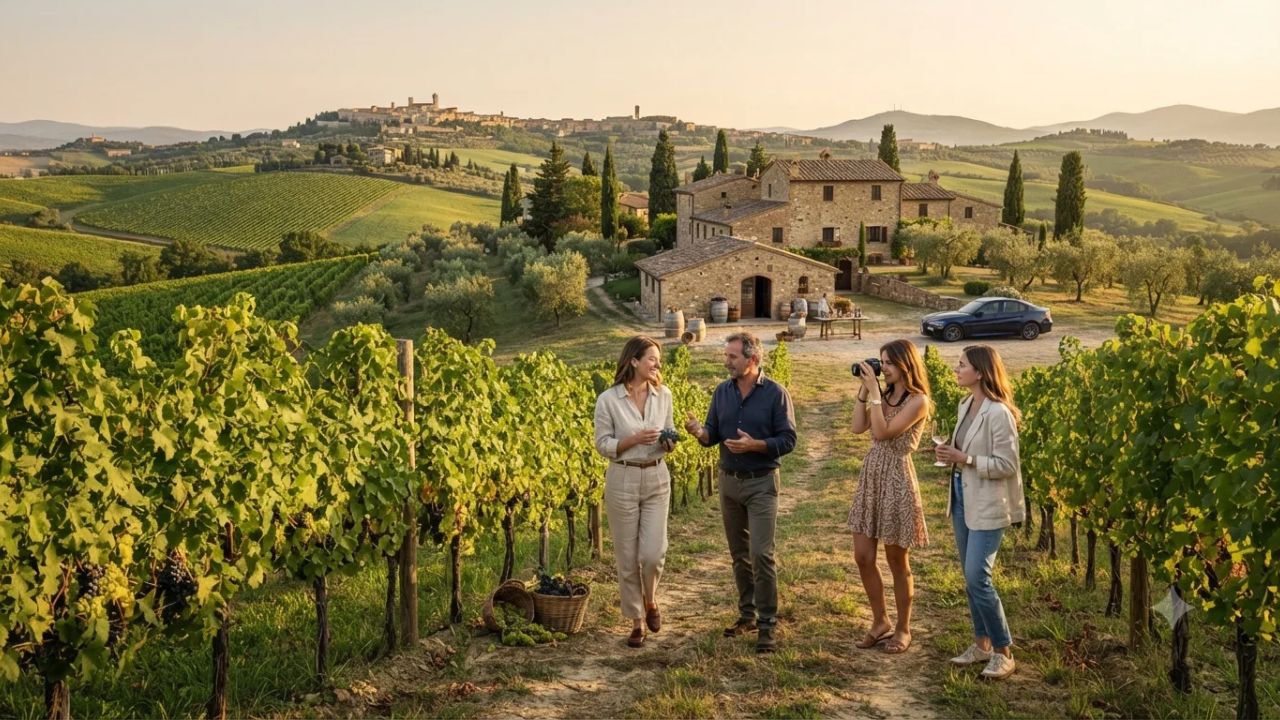
Image generated by AI
With Italy’s primary art cities absorbing over 65 percent of foreign visitor nights and generating severe urban congestion, the regional government of Umbria has launched structured international wine tourism routes linking Perugia, Assisi, Orvieto, and Montefalco. Designed to channel global travelers away from overcrowded metropolitan capitals and into central Italy’s agricultural interior, the strategic development pairs comprehensive physical trail signposting and digital cellar reservation platforms with upgraded rural transit corridors.
Decentralizing Italian Tourism: Umbria's Regional Counter-Weight to Overtourism
For generations, international tourism to the Italian peninsula remained heavily concentrated along the classic Rome-Florence-Venice axis. While these historic gateways struggle with tourist caps, day-tripper entry fees, and hotel capacity limits, adjacent inland regions have experienced the opposite challenge: rural depopulation, agricultural fragmentation, and low international brand recognition. Promoted historically as "the green heart of Italy," Umbria possesses rich viticultural assets and medieval hill towns, yet previously lacked the integrated infrastructure required to attract multi-day international leisure travelers.
Under destination development frameworks supported by the Italian National Tourist Board (ENIT) and executed through the Regione Umbria Official Portal, regional administrators are executing a systematic pivot toward high-value enological travel. Rather than relying on sporadic domestic marketing, the territory is packaging its wine production into organized geographic circuits.
The initiative bridges four anchor destinations: Perugia, the regional capital and cultural hub; Assisi, a UNESCO World Heritage pilgrimage center; Orvieto, an ancient cliffside city famed for its volcanic white wines; and Montefalco, the historic home of the powerful Sagrantino grape. By providing cohesive wayfinding and verified cellar door access, Umbria positions itself as an authentic, unhurried alternative for travelers seeking deep culinary immersion without urban crowd friction.
Route Infrastructure, Digital Cellar Networks, and Terroir Economics
The operational implementation of the new routes resolves long-standing logistical barriers that historically discouraged independent international visitors from exploring central Italy's interior.
A core component is the introduction of standardized multi-lingual trail signage that guides self-drive tourists and cyclists along secondary scenic roads directly to family-owned estates. Concurrently, regional authorities have partnered with viticultural consortia and the Movimento Turismo del Vino to integrate local wineries into a centralized digital booking ecosystem. International visitors can reserve guided vineyard tours, barrel tastings, and agriturismo farm stays months in advance through intuitive smartphone portals, removing language barriers and unpredictable cellar opening hours.
Transport integration is also receiving targeted upgrades. Regional coordination links Trenitalia rail stations in Orvieto, Foligno, and Perugia with regional shuttle services, electric vehicle charging depots, and licensed private excursion operators. This multi-modal transit network enables travelers arriving by high-speed rail from Rome Termini or Florence Santa Maria Novella to access remote hillside vineyards without being forced to navigate complex car rentals or unpaved farm tracks independently.
| Wine Tourism Circuit | Anchor Municipalities | Primary Wine Denominations (DOC/DOCG) | Infrastructure Upgrades & Transit Links | Target Visitor Profile |
|---|---|---|---|---|
| Strada del Sagrantino | Montefalco, Bevagna, Gualdo Cattaneo | Sagrantino di Montefalco DOCG, Montefalco Rosso DOC | Dedicated cycling waypoints, estate digital booking, Foligno rail shuttles | Connoisseurs, collector tastings, luxury agriturismo travelers |
| Terre d'Orvieto | Orvieto, Castiglione in Teverina, Baschi | Orvieto Classico DOC, Rosso Orvietano DOC | Cliffside funicular links, high-speed rail access, cliffside cellar trails | Cultural tourists, architecture enthusiasts, culinary explorers |
| Colli del Trasimeno | Castiglione del Lago, Passignano | Trasimeno DOC (Gamay del Trasimeno, Grechetto) | Lakeside ferry connections, scenic biking paths, agriturismo networks | Nature lovers, active leisure travelers, water sport enthusiasts |
| Strada dei Vini Etrusco-Romana | Narni, Amelia, Otricoli | Amelia DOC, Ciliegiolo di Narni IGT | Archaeological park signage, historical cellar trails, Rome commuter rail | Heritage travelers, ancient history buffs, organic food seekers |
Expert Analysis: Agriturismo Dwell Times, Transport Bottlenecks, and High-Yield Terroir
The establishment of international wine tourism routes represents a structural maturation of Umbria's regional tourism economy, shifting the measurement of success from arrival headcounts to local economic retention.
For travelers booking this route, the direct consequence is an immediate improvement in itinerary predictability and hospitality access across rural districts. Historically, visiting boutique wineries in Montefalco or Torgiano required travelers to exchange informal emails or make telephone calls in Italian to arrange private tastings. Under the digitized route framework, travelers gain guaranteed access to historic family cellars, verified English-speaking sommelier guides, and curated food-and-wine pairings showcasing regional truffles, cured meats, and extra virgin olive oils.
The pricing pressure this creates means prime agriturismo farmhouses, boutique vineyard hotels, and historic convent conversions will command premium room rates, particularly during the peak spring bloom and autumn harvest seasons. With international demand shifting toward immersive, slow-travel experiences, travelers booking during September and October must secure lodging four to six months in advance. In parallel, local vineyard estates benefit from direct-to-consumer cellar door sales, capturing retail margins that bypass traditional global wine distribution intermediaries.
However, independent travelers must navigate regional transit nuances. While primary hubs like Orvieto and Perugia are exceptionally well connected to Italy’s high-speed rail network, rural transit between smaller hill towns remains less frequent than in major urban provinces. Travelers who choose not to rent an automobile must coordinate private driver services or align their movements with scheduled regional wine shuttles to prevent being stranded in isolated valleys after evening vineyard dinners.
By converting fragmented agricultural production into an accessible, premium tourism product, Umbria provides an effective blueprint for European rural regeneration, preserving cultural heritage while insulating host communities from the perils of mass tourism.
Key Takeaways
- Coordinated Wine Routes: Umbria has launched structured international wine routes connecting Perugia, Assisi, Orvieto, and Montefalco with upgraded wayfinding.
- Countering Overtourism: The initiative actively disperses international travelers away from saturated metropolitan centers like Rome and Florence into central Italy's interior.
- Centralized Digital Bookings: Regional consortia have integrated cellar tours and tastings into a unified digital reservation platform, eliminating language and scheduling barriers.
- Multi-Modal Transit Connections: Targeted transit links bridge Trenitalia rail hubs with local shuttle networks, e-bike routes, and rural vineyard estates.
- Extended Agriturismo Stays: The policy framework prioritizes longer visitor dwell times and direct cellar door sales, bolstering family-owned vineyards and rural hospitality providers.
FAQ: Umbria International Wine Tourism Routes 2026
What are the main towns included in Umbria’s new wine tourism routes?
The primary anchor destinations connected along the new wine tourism routes include Perugia, Assisi, Orvieto, and Montefalco, alongside smaller historic wine communes like Bevagna and Castiglione del Lago.
How do I book vineyard tours and wine tastings in Umbria?
Visitors can book guided vineyard tours and cellar tastings in advance through unified regional digital portals and Movimento Turismo del Vino platforms, which provide verified operating hours, multilingual guides, and instant reservation confirmation.
Can I visit Umbria’s wine routes without renting a car?
Yes. Major hubs like Orvieto and Perugia are directly accessible via high-speed Trenitalia trains from Rome and Florence. From these rail centers, travelers can utilize regional feeder shuttles, organized tour excursions, or licensed private drivers to reach rural estates.
When is the best time of year to visit Umbria for wine tourism?
The optimal travel windows are the autumn harvest season from September through October, when grape picking and open-cellar festivals are active, and the spring season from April to June, when weather is mild and vineyard hillsides are lush.
[By weaving ancient viticulture with modern digital access, Umbria invites global travelers to slow down and savor the authentic agricultural soul of central Italy.]
Related Travel Guides
Disclaimer
This article is for informational and educational purposes only. It does not constitute legal, financial, or professional advice. While we strive to provide accurate and up-to-date information, travel policies, regulations, and conditions change rapidly. Always verify information with official sources before making travel decisions. Nomad Lawyer makes no representations about the accuracy, reliability, completeness, or suitability of the information provided. Readers should consult qualified professionals for advice specific to their circumstances. The views expressed in this article are those of the author and do not necessarily reflect the views of Nomad Lawyer.
Kunal K Choudhary
Co-Founder & Contributor
A passionate traveller and tech enthusiast. Kunal contributes to the vision and growth of Nomad Lawyer, bringing fresh perspectives and driving the community forward.
Learn more about our team →