
Yucatán Travel Guide 2026: Beyond Chichén Itzá to Uxmal, Sacred Cenotes, and Mérida's Culinary Culture
Explore the authentic state of Yucatán with verified visitor data, comparing Chichén Itzá and Uxmal, colonial hubs Mérida and Valladolid, and coastal reserves.

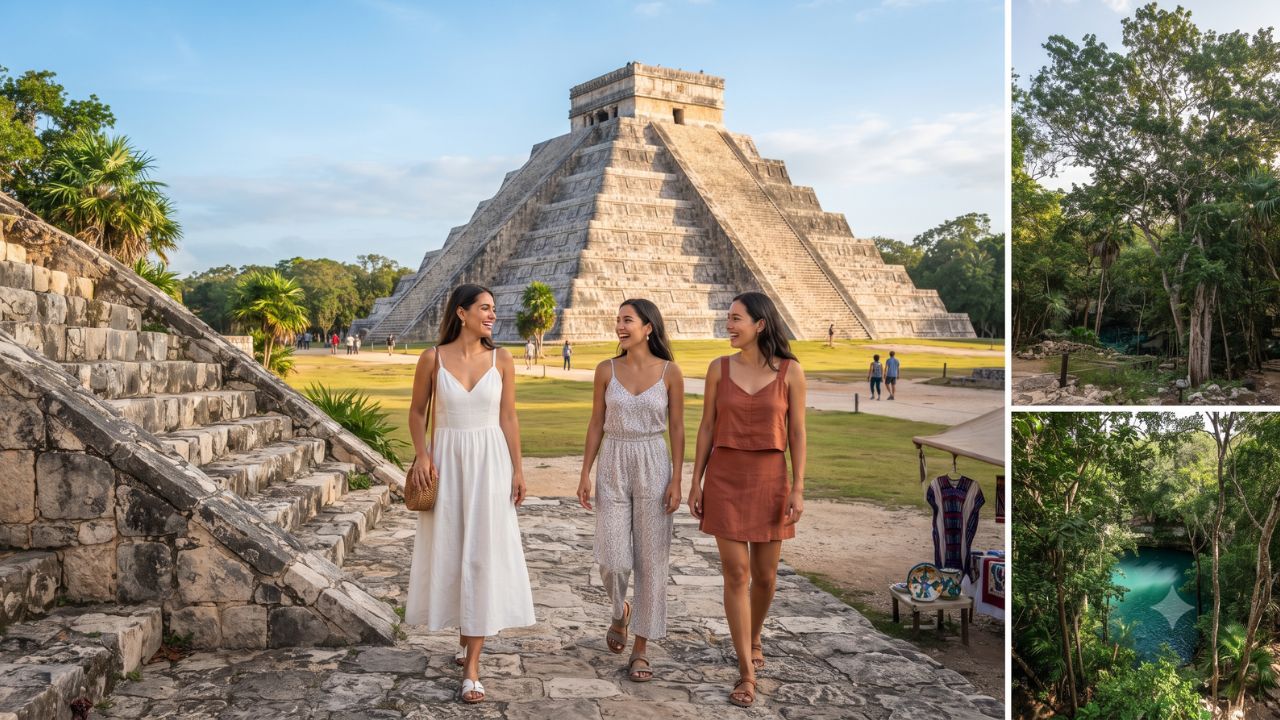
While nearly two million travelers entered Chichén Itzá between January and November 2025, fewer than 270,000 journeyed to the equally monumental Puuc architecture of Uxmal, and only 40,909 visited the pink flamingo estuaries of the Ría Celestún Biosphere Reserve. According to comprehensive tourism metrics released by the Yucatán State Tourism Secretariat, the state generated an estimated MXN 19,022 million in visitor expenditure in 2025, recording a 242% nominal growth since 2021. For international travelers seeking authentic Maya culture, understanding how to distribute an itinerary between bustling archaeological wonders, colonial capitals, sacred limestone cenotes, and mangrove reserves unlocks a far richer Mexican journey.
Distributing the Archaeological and Cultural Circuit
Travelers frequently confuse the state of Yucatán with the broader Yucatán Peninsula, inadvertently concentrating their vacations in coastal resort corridors. Yet Yucatán state operates as a distinct cultural territory anchored by the colonial capital of Mérida and the eastern hub of Valladolid.
Between January and July 2026, the state recorded 1,518,064 overnight visitors across its registered hotel network, which expanded to 17,693 rooms. Notably, domestic Mexican travelers represented 78.2% (1,187,819 arrivals) of this total, while international visitors accounted for 21.8% (330,245 arrivals). Monthly hotel occupancy data compiled by DataTur showed that February reached the annual occupancy peak at 60.98%, while May recorded the seasonal low at 48.40%.
Archaeological preservation managed by the National Institute of Anthropology and History extends across distinct regional styles. Beyond the Toltec-Maya pyramids of Chichén Itzá, the western ruins of Uxmal—inscribed alongside Chichén Itzá as a World Heritage site by the UNESCO World Heritage Centre—showcase intricate Puuc stone mosaics, geometric friezes, and mask carvings of the rain deity Chaac with a fraction of the mid-day tour bus congestion. Further east near Valladolid, the ancient acropolis of Ek Balam welcomed 110,722 visitors during the first eleven months of 2025, preserving rare stucco winged warrior figures that travelers can still view up close.
What Makes Yucatán Distinct Beyond the Ruins
The true soul of Yucatán lies in its living Maya heritage, distinctive regional gastronomy, and complex karst hydrology.
Culinary traditions in Yucatán evolved in geographic isolation from central Mexico, utilizing sour oranges, habanero peppers, achiote paste, and underground pit-cooking techniques (pib). In Mérida, cultural venues like Pasaje Picheta drew 274,573 visitors in January through November 2025, serving as an urban starting point for sampling cochinita pibil, sopa de lima, and panuchos. In Valladolid, the Mercado de Artesanías Zací recorded 128,915 visitors over the same period, showcasing handmade hammocks, embroidered textiles, and local honey.
Coastal ecosystems provide a stark contrast to inland jungle plains. On the western Gulf coast, the Ría Celestún Biosphere Reserve protects vital feeding grounds for thousands of Caribbean flamingos, while the El Corchito Ecological Reserve near Progreso recorded 85,722 visits in 2025, offering freshwater cenote springs shaded by coastal mangrove forests.
Yucatán Attraction Attendance and Performance Index
The table below outlines official visitor attendance, conservation classifications, and regional distribution across key state-managed sites during 2025:
| Attraction / Site Name | Regional Location | Attendance (Jan–Nov 2025) | Cultural or Natural Category | Recommended Traveler Approach |
|---|---|---|---|---|
| Chichén Itzá | Tinum (Central Yucatán) | Almost 2,000,000 | UNESCO Archaeological Site | Arrive at 8:00 AM opening; allow 3–4 hours |
| Uxmal | Santa Elena (Puuc Region) | 269,972 | UNESCO Puuc Architecture | Combine with Kabah, Sayil, and Labná ruins |
| Ek Balam | Temozón (Near Valladolid) | 110,722 | Late Classic Maya Acropolis | Pair with Cenote X'Canché; base in Valladolid |
| Pasaje Picheta | Mérida Plaza Grande | 274,573 | Historic Cultural Concourse | Evening art exhibitions, traditional music, dining |
| Zací Artisan Market | Downtown Valladolid | 128,915 | Traditional Handcraft Market | Direct artisan purchasing; textiles & folk crafts |
| El Corchito Reserve | Progreso (Coastal Mangrove) | 85,722 | Mangrove Ecological Spring | Coastal day trip paired with Meteorite Museum |
| Progreso Meteorite Museum | Progreso Oceanfront | 65,573 | Geological & Paleontology Museum | Educational stop detailing Chicxulub impact |
| Ría Celestún Reserve | Celestún (Western Coast) | 40,909 | UNESCO Biosphere Wetland | Certified boat tours for flamingo viewing |
A Strategic Seven-Day Yucatán Itinerary
To experience the diversity of the state without excessive daily road transfers, travelers should split their accommodations between Mérida and Valladolid:
- Day 1 (Mérida Arrival): Settle into your hotel in Mérida's historic center; take an evening orientation walk around Plaza Grande and enjoy a traditional dinner.
- Day 2 (Mérida Culture & Gastronomy): Tour the Fernando García Ponce-Macay Museum, explore local markets along Calle 60, and sample authentic Yucatecan dishes.
- Day 3 (The Puuc Archaeological Route): Depart early for Uxmal to explore the Pyramid of the Magician and the Governor's Palace, returning through the historic haciendas of the southern district.
- Day 4 (Ría Celestún Wetlands): Drive west to Celestún for a morning boat tour through coastal mangrove canals to view wild flamingo flocks.
- Day 5 (Izamal & Valladolid Transfer): Drive east with a midday stop in the yellow-painted colonial town of Izamal; continue to Valladolid for an evening stroll around Parque Francisco Cantón.
- Day 6 (Chichén Itzá & Cenotes): Enter Chichén Itzá right at the 8:00 AM opening gate before tour buses arrive from Riviera Maya; spend the afternoon swimming in nearby closed or semi-open limestone cenotes.
- Day 7 (Ek Balam & Departure): Climb the towering Acropolis at Ek Balam in the morning before completing onward transfers to Mérida or Cancun airports.
Visitor Insider Tips
Navigating Yucatán smoothly requires understanding local climate, ticketing, and road logistics:
- Carry Cash Pesos for Cenotes and Tolls: While major archaeological sites accept international cards for state and federal entrance fees, local community-managed cenotes, village craft stalls, and rural toll roads require cash in Mexican pesos.
- Wear Reef-Safe Sunscreen and Rinse Before Cenotes: To protect fragile limestone groundwater aquifers from chemical contamination, state environmental regulations mandate that all swimmers take an outdoor freshwater shower before entering any cenote.
- Base Three Nights in Valladolid: Avoid making long four-hour round trips from Mérida to Chichén Itzá. Staying in Valladolid places you just 40 minutes from the ruins, allowing you to enter the archaeological zone before the heat and crowds peak.
- Respect Sacred Sites: Do not cross protective rope barriers or climb delicate stone monuments at Uxmal or Chichén Itzá. Always hire certified federal guides displaying official SECTUR credentials at the ticket booth.
Cultural and Environmental Context
Yucatán's delicate karst geography makes environmental stewardship a pressing priority. The state lacks surface rivers; its entire freshwater supply flows through an interconnected subterranean network of over 6,000 cenotes and limestone caves formed following the Chicxulub meteorite impact 66 million years ago.
Sustainable community tourism initiatives are helping preserve these delicate ecosystems. By visiting community-owned cenote cooperatives in towns like Homún and Temozón, travelers direct funds to Maya families who protect local watersheds from industrial pollution. Furthermore, supporting traditional Maya agriculturalists cultivating organic heirloom corn and melipona bee honey helps sustain cultural traditions that have endured for millennia.
FAQ: Visiting Yucatán Mexico 2026
What is the best month to visit Yucatán?
November through February offers the most comfortable weather, with moderate humidity, minimal rainfall, and hotel occupancies averaging between 51% and 61%.
How far is Uxmal from Mérida?
Uxmal is located approximately 50 miles (80 kilometers) south of Mérida, reachable in roughly one hour and fifteen minutes by rental car or direct bus.
Do I need a car to travel around Yucatán?
While direct ADO buses connect Mérida, Valladolid, and major archaeological sites, renting a vehicle provides the greatest flexibility for exploring rural cenotes, Puuc ruins, and coastal reserves.
Are cenotes safe for swimming?
Yes. Established cenotes provide life jackets, staircase access, and certified lifeguards. Always shower beforehand to remove body lotions and protect water clarity.
From the silent stone courtyards of Uxmal to the emerald waters of sacred cenotes, traveling through Yucatán reveals a living civilization where ancient stone, vibrant culture, and pristine nature endure.
Related Travel Guides
Disclaimer
This article is for informational and educational purposes only. It does not constitute legal, financial, or professional advice. While we strive to provide accurate and up-to-date information, travel policies, regulations, and conditions change rapidly. Always verify information with official sources before making travel decisions. Nomad Lawyer makes no representations about the accuracy, reliability, completeness, or suitability of the information provided. Readers should consult qualified professionals for advice specific to their circumstances. The views expressed in this article are those of the author and do not necessarily reflect the views of Nomad Lawyer.
Raushan Kumar
Founder & Lead Developer
Full-stack developer with 11+ years of experience and a passionate traveller. Raushan built Nomad Lawyer from the ground up with a vision to create the best travel and law experience on the web.
Learn more about our team →