
Wuhan Municipal Culture and Tourism Bureau Introduces Heartbeat Weekend Passes and Digital Passports
Wuhan Municipal Culture and Tourism Bureau Introduces Heartbeat Weekend Passes and Digital Passports

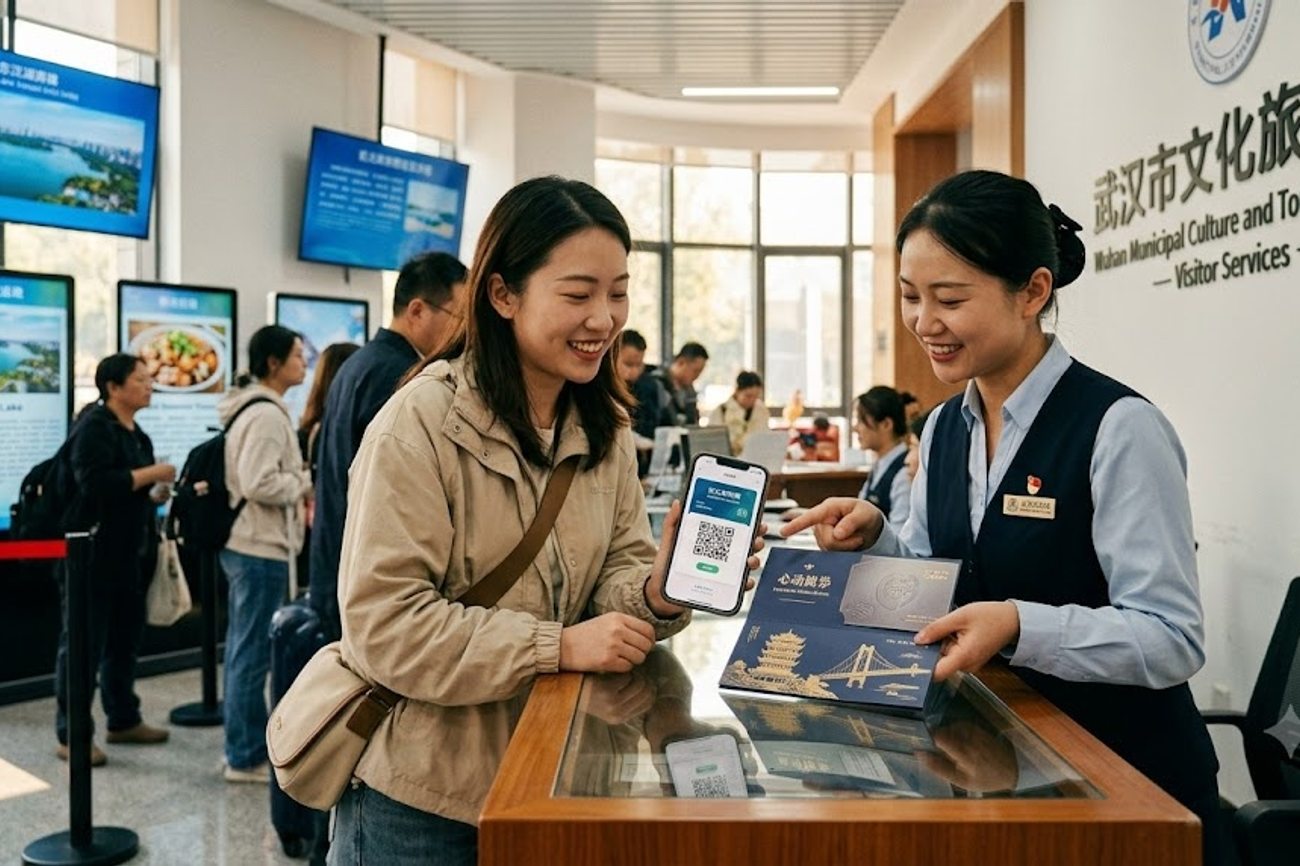
Image generated by AI
date: "2026-09-01" category: "Market Analysis" region: "East Asia" focus: "Urban Tourism Consumption" Wuhan's 2026 autumn strategy deploys 279 individual events across four carnivals, a scale of activation that dwarfs previous seasonal efforts and signals a shift toward high-frequency, multi-sector consumption. While earlier regional initiatives relied on static sightseeing, the current framework leverages a network of 160 businesses offering 173 distinct promotional packages to drive foot traffic through September, October, and November.
The Wuhan Consumption Engine in Numbers
The 2026 "Yangtze’s New Arena Vibrant Greater Wuhan" initiative is not a mere marketing campaign but a structured economic stimulus package. The data reveals a heavy reliance on volume and variety to capture diverse traveler segments. The deployment of 279 events indicates a strategy of "saturation programming," ensuring that there is a high-value activity occurring daily across the Hubei provincial capital.
The scale of business participation is particularly telling. With 160 cultural and tourism enterprises providing 173 promotional offers, the city has achieved a nearly 1:1 ratio of business participation to unique offer, suggesting a highly coordinated effort to avoid redundant pricing and instead offer a broad spectrum of entry points for consumers. This includes the "Heartbeat Wuhan Weekend Pass," a product designed specifically to increase the average length of stay for short-haul domestic travelers.
From a cultural standpoint, the city is leveraging established intellectual property to anchor its tourism numbers. The integration of the 11th China Peking Opera Festival, the 15th Qintai Music Festival, the 16th Wuhan International Acrobatic Art Festival, and the 2026 Wuhan Biennale creates a "festival cluster" effect. By stacking these events, Wuhan is attempting to move from a "stopover city" to a "destination city," a trend mirrored in other global hubs as reported by the World Tourism Organization (UNWTO), where event-based tourism is increasingly used to stabilize off-peak seasonal dips.
Comparative Shift: From Sightseeing to Experiential Retail
The 2026 framework represents a fundamental departure from the tourism models utilized in the early 2020s. Previously, Wuhan's seasonal draws were centered on landmark visits and traditional tour groups. The current data shows a pivot toward "decentralized activation," where the city is treating its entire infrastructure—including metro stations and riverside balconies—as performance venues.
The most striking shift is the introduction of the automotive carnival. By integrating brands like Xiaomi, AITO, and VOYAH into a tourism package, Wuhan is merging the luxury automotive market with leisure travel. This cross-industry synergy is a calculated move to attract high-net-worth individuals who may not typically visit for cultural reasons but will travel for automotive innovation.
| Metric | Previous Seasonal Models | 2026 Autumn Framework | Shift Analysis |
|---|---|---|---|
| Event Distribution | Centralized (Museums/Parks) | Decentralized (Metro/Balconies) | Increased Urban Penetration |
| Industry Scope | Tourism & Hospitality | Tourism, Arts, & Automotive | Cross-Sector Diversification |
| Engagement Tools | Physical Brochures/Guides | Digital Passports & Blind Boxes | Gamification of Tourism |
| Programming Scale | Static Sightseeing Packages | 279 Individual Events | High-Frequency Activation |
| Business Integration | Limited Partner Network | 160 Participating Businesses | Ecosystem-wide Coordination |
This evolution aligns with broader trends in IATA reports regarding the rise of "bleisure" and experiential travel, where the boundary between commercial industry and leisure is increasingly blurred.
Practical Traveler Advisory and Strategic Insights
For the individual traveler, the 2026 autumn season in Wuhan requires a different booking and navigation strategy than in previous years. The move toward digital check-in passports and "culture-and-tourism blind boxes" means that the best value is no longer found in pre-packaged tours, but through real-time digital engagement.
If you are planning a visit between September and November, the following data-driven advice applies:
- Prioritize the "Heartbeat Wuhan Weekend Pass": Given the involvement of 160 businesses, this pass likely offers the highest ROI for short-term visitors. Booking this in advance is recommended to secure access to the 173 promotional offers.
- Map Your Route Around the "Four Carnivals": Because the 279 events are spread across various districts, travelers should avoid staying in a single hotel. The decentralized nature of the performances—especially the pop-up shows in metro stations—suggests that utilizing the city's transit system is the most efficient way to experience the "New Showcase" events.
- Leverage Digital Tools for Discounts: The introduction of the top 10 autumn attractions list and digital passports indicates that "hidden" discounts are tied to digital check-ins. Travelers should ensure their mobile connectivity is optimized and follow @VisitWuhan on Meta and X for real-time updates on blind box releases.
- Sync with High-Profile Festivals: To avoid peak crowds while still experiencing the 2026 Wuhan Biennale or the 15th Qintai Music Festival, travelers should book accommodation 6-8 weeks in advance, as the "festival cluster" effect typically leads to a surge in hotel occupancy rates.
Forward Projection: The "City-as-a-Campus" Model
Wuhan is currently testing a "City-as-a-Campus" model, where the entire urban environment is transformed into an interactive exhibition. Based on the current trajectory, we can expect this model to expand in three specific directions.
First, the automotive integration will likely evolve. If the partnership with Xiaomi and VOYAH proves successful in driving autumn consumption, expect to see "mobility-themed" tourism routes become a permanent fixture of the Hubei tourism portfolio.
Second, the gamification of travel—via the digital passports and blind boxes—will likely move toward a blockchain or loyalty-point system. By tracking traveler movements through 279 events, the Wuhan Municipal Culture and Tourism Bureau is collecting massive amounts of behavioral data, which will allow them to refine future "consumption seasons" with surgical precision.
Third, the shift toward public-space activation (metro stations and balconies) suggests a long-term move away from expensive, indoor auditorium-based culture. This lowers the barrier to entry for the average traveler and increases the "serendipity factor" of the city, which is a key driver for repeat visitation in the modern travel economy. According to Statista, experiential travel continues to grow faster than traditional sightseeing, and Wuhan's 2026 strategy is a direct response to this market movement.
FAQ: Wuhan Autumn Consumption 2026
Will hotel prices increase during the autumn season? Yes. The concentration of four major carnivals and 279 events will create demand spikes. Travelers should expect higher rates during the dates of the Wuhan Biennale and the Qintai Music Festival.
Is this the best time to visit Wuhan for first-timers? Statistically, yes. The volume of 173 promotional offers and the "Heartbeat Wuhan Weekend Pass" provide a lower cost-of-entry for new visitors compared to other seasons.
Which sectors are expanding the most in Wuhan's tourism? The most aggressive expansion is in the intersection of automotive manufacturing and tourism, specifically through the first-ever automotive carnival featuring brands like Xiaomi and AITO.
How do the "blind boxes" work for travelers? These are interactive, surprise-based incentives tied to the digital check-in system. They provide exclusive discounts and rewards to travelers who visit specific cultural sites or attend the 279 scheduled events.
Wuhan is no longer just selling a destination; it is selling a high-frequency, gamified consumption ecosystem.
Related Travel Guides
- China, India And More Countries Drive Travel AI Revolution As Millions Turn To Artificial Intelligence For Holiday Ideas
- US Tourism Websites Face New Accessibility Era as ADA Digital Rules Raise Stakes for Public Travel Platforms
- The Smart Gulf Corridor: How Nearly 30% Growth in AI Tourism is Reshaping Travel Across the GCC
Disclaimer
This article is for informational and educational purposes only. It does not constitute legal, financial, or professional advice. While we strive to provide accurate and up-to-date information, travel policies, regulations, and conditions change rapidly. Always verify information with official sources before making travel decisions. Nomad Lawyer makes no representations about the accuracy, reliability, completeness, or suitability of the information provided. Readers should consult qualified professionals for advice specific to their circumstances. The views expressed in this article are those of the author and do not necessarily reflect the views of Nomad Lawyer.
Kunal K Choudhary
Co-Founder & Contributor
A passionate traveller and tech enthusiast. Kunal contributes to the vision and growth of Nomad Lawyer, bringing fresh perspectives and driving the community forward.
Learn more about our team →