
The Smart Gulf Corridor: How Nearly 30% Growth in AI Tourism is Reshaping Travel Across the GCC
The six GCC nations unite behind an AI tourism revolution, driving nearly 30 percent innovation momentum across Qatar, Saudi Arabia, and the UAE.

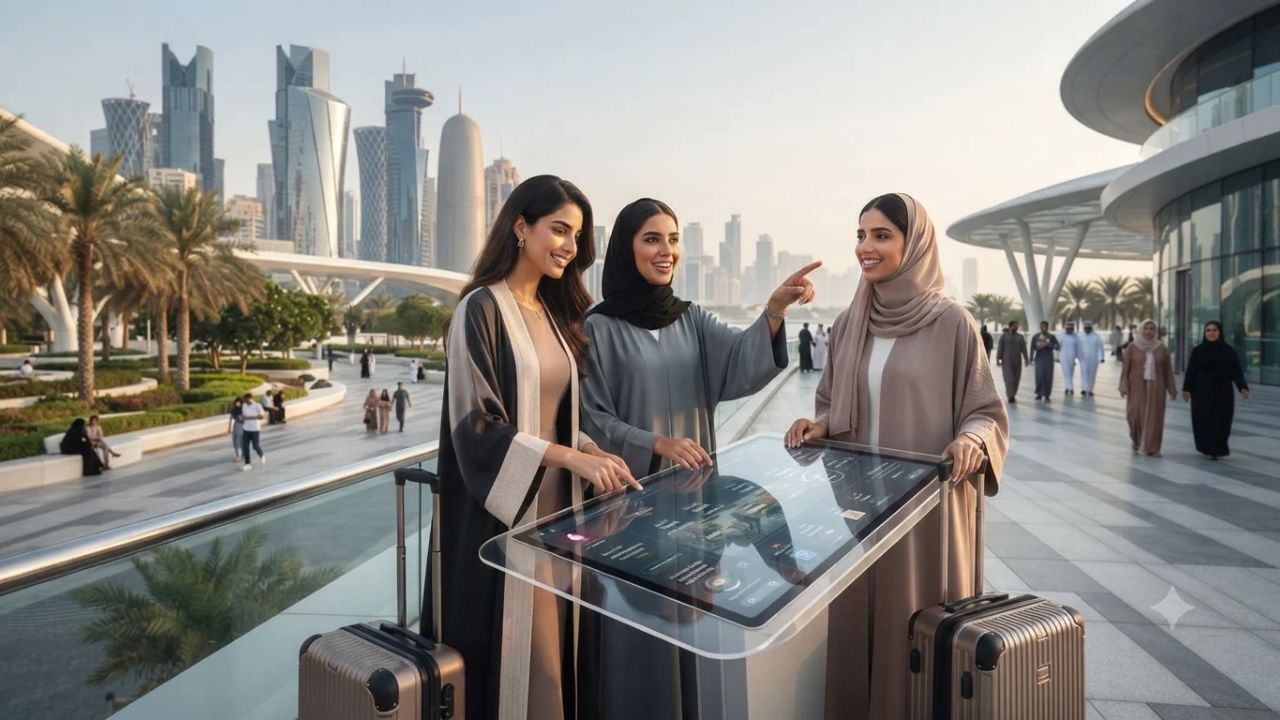
Image generated by AI
While global travelers have traditionally relied on static guidebooks and manual visa applications, the six nations of the Gulf Cooperation Council are experiencing nearly 30 percent growth momentum in artificial intelligence tourism innovations, creating a unified digital corridor across the Arabian Peninsula. By integrating predictive algorithms, smart biometric transit, and real-time destination analytics across Qatar, Saudi Arabia, the United Arab Emirates, Bahrain, Oman, and Kuwait, the region is pioneering a frictionless travel era. As Gulf governments advance toward a unified regional tourism model, intelligent visitor platforms are turning complex multi-country desert expeditions, cultural stopovers, and mega-events into seamless digital journeys.
The Algorithmic Arabian Peninsula: Six National Strategies for Smart Travel
The widespread deployment of artificial intelligence across the GCC is not an experimental novelty; it is a foundational pillar of regional economic diversification programs aimed at reducing oil reliance and scaling non-oil GDP. Each member state is deploying specialized AI architectures tailored to its distinctive geographic, heritage, and urban assets:
- Qatar: Championed by Visit Qatar, the state integrates AI-powered concierge engines and smart ticketing systems that curate customized cultural routes through Msheireb Downtown Doha, Katara Cultural Village, and the National Museum of Qatar, dynamically adapting recommendations based on live event crowds and passenger preferences.
- Saudi Arabia: Operating at massive scale under Vision 2030, Visit Saudi employs predictive visitor modeling and autonomous site management systems to regulate foot traffic across ancient heritage wonders in AlUla, the historic mudbrick palaces of Diriyah, and luxury eco-resorts along the Red Sea coast.
- United Arab Emirates: Through Visit Dubai and Abu Dhabi’s smart city frameworks, the UAE pairs AI-driven predictive logistics with automated airport biometric gates, personalized hospitality bots, and real-time transit routing across urban metro grids.
- Bahrain: Following the GCC tourism ministers summit in Manama, the kingdom is anchoring regional cross-border data sharing, connecting heritage tourism around the Dilmun burial mounds with shared digital visitor ecosystems.
- Oman: Leveraging AI for conservation management, Omani authorities monitor eco-tourist footpaths across Jebel Akhdar, the frankincense wadis of Dhofar, and delicate sea turtle nesting reserves along Ras Al Jinz.
- Kuwait: Expanding digital visitor kiosks, automated smart border processing, and interactive museum platforms across Kuwait City.
What Makes the GCC's Smart Tourism Ecosystem Different
Unlike fragmented international travel zones where each country operates isolated technological systems, the Arabian Gulf is building an interconnected digital ecosystem. This infrastructure supports the upcoming Unified GCC Tourist Visa, allowing international visitors to move between all six member states with centralized digital approvals.
The technological leap centers on four core pillars:
- Hyper-Personalized Itinerary Curation: Machine learning models analyze personal preferences, dietary restrictions, and travel pacing to recommend authentic Bedouin desert camps, contemporary art galleries, and traditional souqs without generic advertising noise.
- Predictive Crowd and Climate Routing: Systems forecast peak daytime temperatures and visitor surges at popular cultural sites, automatically suggesting indoor architectural landmarks or air-conditioned cultural spaces during midday heat.
- Frictionless Biometric Border Transits: Seamless e-gates at international airport hubs eliminate physical passport stamping delays, linking traveler security profiles directly to digital hotel check-ins.
- Smart Environmental Preservation: Sensor grids and AI monitoring systems measure visitor impact on fragile marine coral reefs and arid mountain biomes, automatically capping daily permits when environmental thresholds are approached.
Visitor Insider Tips for Navigating AI-Powered Gulf Travel
Travelers exploring the Arabian Peninsula in 2026 can maximize their journey using these local digital hacks:
- Download Official National Smart Tourism Apps Before Arrival: Install the Hayya portal in Qatar, the Nusuk and Saudi Tourism platforms in Saudi Arabia, and the Dubai Pass app. Linking your travel profile unlocks automated museum queue passes, discounted public transit fares, and instant AI chat support in over 20 languages.
- Utilize Biometric Smart Gates at International Airports: Register your passport details at automated immigration kiosks upon landing at Hamad International Airport (DOH), Dubai International (DXB), or King Khalid International (RUH) to breeze through immigration in under 15 seconds on departure.
- Leverage AI Pacing for Historic Quarter Walks: When exploring historic open-air markets like Souq Waqif in Doha or Al Balad in Jeddah, use smart visitor maps during late afternoon hours (after 4:30 PM) when algorithmic street monitors indicate opening shop shutters and cooling ambient temperatures.
- Verify Cross-Border Regional Travel Requirements: While regional integration is expanding rapidly, confirm whether your specific nationality qualifies for the unified digital visa portal or requires separate e-visa declarations prior to overland border crossings.
Cultural, Economic, and Environmental Context of Arabian Digital Tourism
The GCC's rapid technological pivot represents a deliberate effort to present authentic Arabian hospitality (karam) through modern technological channels. Far from replacing human connection, automated logistics and AI concierges handle routine administrative friction—such as hotel registrations, ticket bookings, and currency conversions—allowing visitors to spend more meaningful time interacting with local artisans, cultural historians, and desert guides.
From an economic perspective, double-digit growth in smart tourism innovations generates high-skilled employment in software engineering, digital heritage curation, and sustainable hospitality management for young Gulf nationals.
Environmentally, data-driven destination management provides a vital defense against overtourism in delicate desert and coastal biomes. By directing visitor flows toward secondary cultural hubs and regulating vehicle access in protected nature reserves, artificial intelligence helps preserve the historic architecture, marine sanctuaries, and fragile mountain ecosystems of Arabia for future generations.
FAQ: AI Tourism and Travel Technology in the GCC (2026)
How is artificial intelligence being used in Gulf tourism?
AI powers personalized travel recommendations, automated biometric airport gates, predictive crowd management at heritage sites, and smart multilingual visitor concierges across the six GCC nations.
What is the growth rate of AI tourism innovations in the GCC?
Industry analysis records nearly 30 percent growth momentum in new technology-driven tourism innovations across the Gulf region in 2026.
How does AI support the planned Unified GCC Tourist Visa?
AI and shared regional data platforms enable centralized digital approvals, allowing travelers to move smoothly between Qatar, Saudi Arabia, the UAE, Bahrain, Oman, and Kuwait.
Does AI tourism replace traditional local tour guides in the Gulf?
No. AI streamlines administrative logistics like ticketing and navigation, giving travelers more time to engage directly with local cultural guides and authentic heritage experiences.
Related Travel Guides
Disclaimer
This article is for informational and educational purposes only. It does not constitute legal, financial, or professional advice. While we strive to provide accurate and up-to-date information, travel policies, regulations, and conditions change rapidly. Always verify information with official sources before making travel decisions. Nomad Lawyer makes no representations about the accuracy, reliability, completeness, or suitability of the information provided. Readers should consult qualified professionals for advice specific to their circumstances. The views expressed in this article are those of the author and do not necessarily reflect the views of Nomad Lawyer.
Raushan Kumar
Founder & Lead Developer
Full-stack developer with 11+ years of experience and a passionate traveller. Raushan built Nomad Lawyer from the ground up with a vision to create the best travel and law experience on the web.
Learn more about our team →