
WTTC Hong Kong Can Reclaim Status as Premier Global Destination
WTTC research reveals Hong Kong's pathway to re-emerge as a leading international destination in 2026 by targeting high-yield markets across mainland China, ASEAN, Middle East, and India.

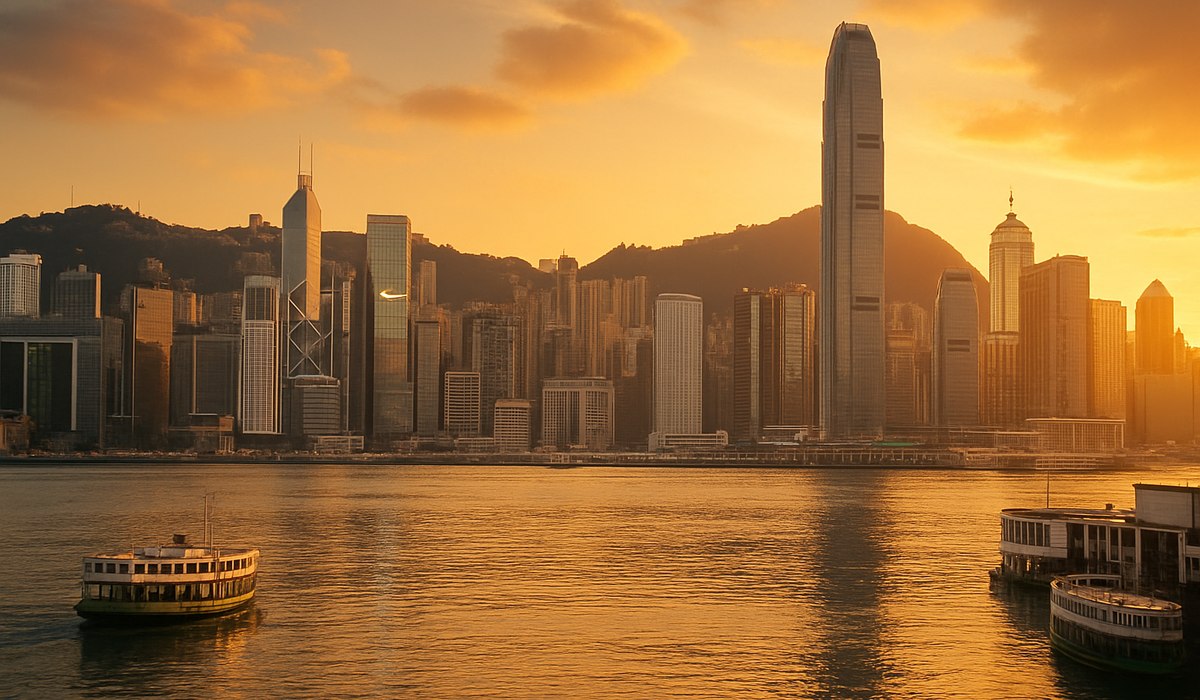
Image generated by AI
Strategic Recovery Framework Positions Hong Kong for International Travel Resurgence
The World Travel & Tourism Council (WTTC) has released critical findings indicating that Hong Kong possesses significant untapped potential to reclaim its position as a premier international travel destination. According to the WTTC's comprehensive report, "Travel & Tourism in Hong Kong SAR, China: Recovery, Gaps, and the Road Ahead," the city must strategically expand into emerging high-yield markets to accelerate recovery and long-term growth. This research underscores that WTTC Hong Kong recovery hinges on deliberate geographic diversification beyond traditional source markets. The initiative targets affluent travelers from mainland China's secondary cities, ASEAN nations, the Middle East, and India—regions showing exponential growth in outbound leisure and business travel.
WTTC's Recovery Strategy for Hong Kong
The WTTC report outlines a multi-faceted recovery blueprint designed to restore Hong Kong's competitive standing in the global travel marketplace. Rather than relying exclusively on neighboring Guangdong province, the strategy advocates penetrating deeper into China's interior markets where wealth accumulation and travel appetite are surging. Tourism authorities must invest in targeted marketing campaigns, digital engagement platforms, and strategic partnerships with local travel operators in these emerging source markets.
The report emphasizes infrastructure modernization and experiential product development as essential pillars. Hong Kong's unique position as a bridge between East and West provides distinctive appeal to affluent international travelers seeking cultural authenticity combined with world-class amenities. The WTTC framework recommends allocating resources toward luxury hospitality experiences, culinary tourism, heritage preservation, and tech-enabled visitor experiences that differentiate Hong Kong from regional competitors.
Key Source Markets and Geographic Expansion
WTTC Hong Kong research identifies four primary geographic corridors for expansion. The first targets tier-two and tier-three Chinese cities including Chengdu, Xi'an, and Wuhan, where rising middle-class populations demonstrate increasing international travel propensity. Second, ASEAN markets—particularly Thailand, Vietnam, Indonesia, and the Philippines—represent rapidly expanding leisure traveler segments with favorable demographics and growing disposable incomes.
The Middle East emerges as a high-value market segment, with travelers from the United Arab Emirates, Saudi Arabia, and Qatar demonstrating elevated spending patterns and frequency of international trips. Finally, India's metropolitan centers including Delhi, Mumbai, and Bangalore show explosive growth in affluent travelers seeking premium international experiences. According to official Hong Kong Tourism Board data, these markets collectively represent hundreds of millions of potential visitors currently underrepresented in Hong Kong's visitor composition.
Recent Recognition: World Travel Awards 2025 Success
Hong Kong's resurgence gained momentum following its dominant performance at the World Travel Awards 2025, securing multiple prestigious global and regional accolades. Most significantly, Hong Kong International Airport received the coveted title of World's Leading Airport for Customer Experience, validating the city's commitment to exceptional service delivery across aviation infrastructure.
This recognition carries substantial weight for destination marketing efforts. Travelers frequently select destinations based on transportation accessibility and airport experiences; Hong Kong's award reinforces its reputation as a seamlessly connected global hub. The airport's customer experience excellence directly supports the WTTC's strategic objective to attract discerning, high-yield international travelers who prioritize convenience, efficiency, and premium service standards. Additional hospitality sector awards further substantiate Hong Kong's capacity to accommodate sophisticated visitor expectations.
Infrastructure and Hospitality Advantages
Hong Kong possesses structural competitive advantages that position it favorably against regional rivals. The city boasts world-class infrastructure encompassing cutting-edge telecommunications, efficient public transportation, and secure, well-regulated business environments. According to TripAdvisor, Hong Kong consistently ranks among Asia's highest-rated destinations for accommodation quality, dining options, and visitor satisfaction metrics.
The hospitality sector demonstrates remarkable capacity for innovation and personalization. Luxury hotel operators, boutique establishments, and service providers have invested substantially in digitalization, multilingual staff training, and culturally-tailored guest experiences. This infrastructure foundation enables Hong Kong to effectively serve affluent travelers from diverse geographic and cultural backgrounds. The combination of physical infrastructure excellence and hospitality sophistication creates a compelling value proposition that distinguishes Hong Kong from emerging competitors in Southeast Asia.
Best Time to Visit Hong Kong
Hong Kong's subtropical climate creates distinct seasonal advantages and considerations for travelers. The optimal visiting period spans October through March, when temperatures range from 13-21°C (55-70°F) with moderate humidity and minimal rainfall. This dry season provides ideal conditions for outdoor exploration, harbor cruises, and hiking excursions across Hong Kong's scenic landscapes.
Spring months (March-May) offer pleasant temperatures around 18-25°C (64-77°F), though humidity gradually increases. Summer (June-September) experiences high temperatures exceeding 30°C (86°F), elevated humidity, and occasional typhoons, making outdoor activities less comfortable. However, summer offers advantages including vibrant festivals, cultural events, and fewer international tourists, allowing for more intimate experiences. December through January represents peak season, attracting significant visitor numbers and elevated accommodation prices. Strategic travelers seeking optimal weather conditions with moderate crowds should target late October or February-March.
How to Get There
Hong Kong maintains exceptional connectivity to global travel networks through multiple transportation gateways. Hong Kong International Airport, Asia's busiest aviation hub, accommodates direct flights from over 200 destinations across six continents. Major international carriers including Cathay Pacific, Emirates, British Airways, Singapore Airlines, and ANA operate extensive scheduled service to Hong Kong, with multiple daily flights from North America, Europe, Middle East, and throughout Asia-Pacific regions.
Ground transportation from the airport includes the efficient Airport Express train system, providing direct service to central business districts within 24 minutes. Alternatively, buses, taxis, and ride-sharing services connect passengers to accommodations throughout the territory. For regional travelers, Hong Kong's West Kowloon Cultural District and multiple ferry terminals offer connections to mainland China and neighboring destinations. The city's comprehensive public transportation network—encompassing the MTR subway system, trams, ferries, and buses—enables seamless navigation throughout Hong Kong once visitors arrive.
Key Data Table: Hong Kong Tourism & WTTC Insights
| Metric | Details |
|---|---|
| Primary Recovery Focus | Mainland China secondary cities, ASEAN, Middle East, India |
| Target Temperature (Optimal) | 13-21°C (October-March) |
| Airport Ranking | World's Leading Airport for Customer Experience (2025) |
| Annual International Arrivals | Multi-million visitor target market |
| Key Transit Time | Airport Express to Central: 24 minutes |
| Currency Exchange | Hong Kong Dollar (HKD) to USD |
| Primary Hospitality Strength | Luxury accommodations, cultural experiences, culinary excellence |
| Competitive Advantage | East-West bridge position, infrastructure quality, service excellence |
| MTR Coverage | Over 230 kilometers across Hong Kong territory |
| Regional Market Growth Rate | Double-digit annual growth from ASEAN and India markets |
What This Means for Travelers
The WTTC's strategic framework and Hong Kong's World Travel Awards recognition present compelling opportunities for discerning international travelers:
-
Enhanced Services: Increased investment in visitor infrastructure means improved transportation, wayfinding, and customer service standards across hotels, attractions, and public facilities.
-
Competitive Pricing: As Hong Kong diversifies its source markets and expands capacity, increased competition will potentially moderate accommodation and dining prices compared to peak season rates.
-
Improved Accessibility: Enhanced airport facilities and expanded flight routes from emerging markets translate to more convenient connections and broader availability of flights from travelers' home countries.
-
Cultural Experiences: Greater focus on heritage preservation and experiential tourism will unlock enhanced access to authentic cultural attractions, culinary experiences, and local community engagement opportunities.
-
Event Opportunities: Hong Kong's momentum
Disclaimer
This article is for informational and educational purposes only. It does not constitute legal, financial, or professional advice. While we strive to provide accurate and up-to-date information, travel policies, regulations, and conditions change rapidly. Always verify information with official sources before making travel decisions. Nomad Lawyer makes no representations about the accuracy, reliability, completeness, or suitability of the information provided. Readers should consult qualified professionals for advice specific to their circumstances. The views expressed in this article are those of the author and do not necessarily reflect the views of Nomad Lawyer.
Preeti Gunjan
Contributor & Community Manager
A passionate traveller and community builder. Preeti helps grow the Nomad Lawyer community, fostering engagement and bringing the reader experience to life.
Learn more about our team →