
World Leisure Hospitality Jobs Surge as U.S. Prepares for 2026 World Cup
U.S. hospitality sector accelerates hiring ahead of 2026 World Cup tournament. Federal data reveals strong job growth momentum, though actual tourism impact remains uncertain for world leisure hospitality businesses.

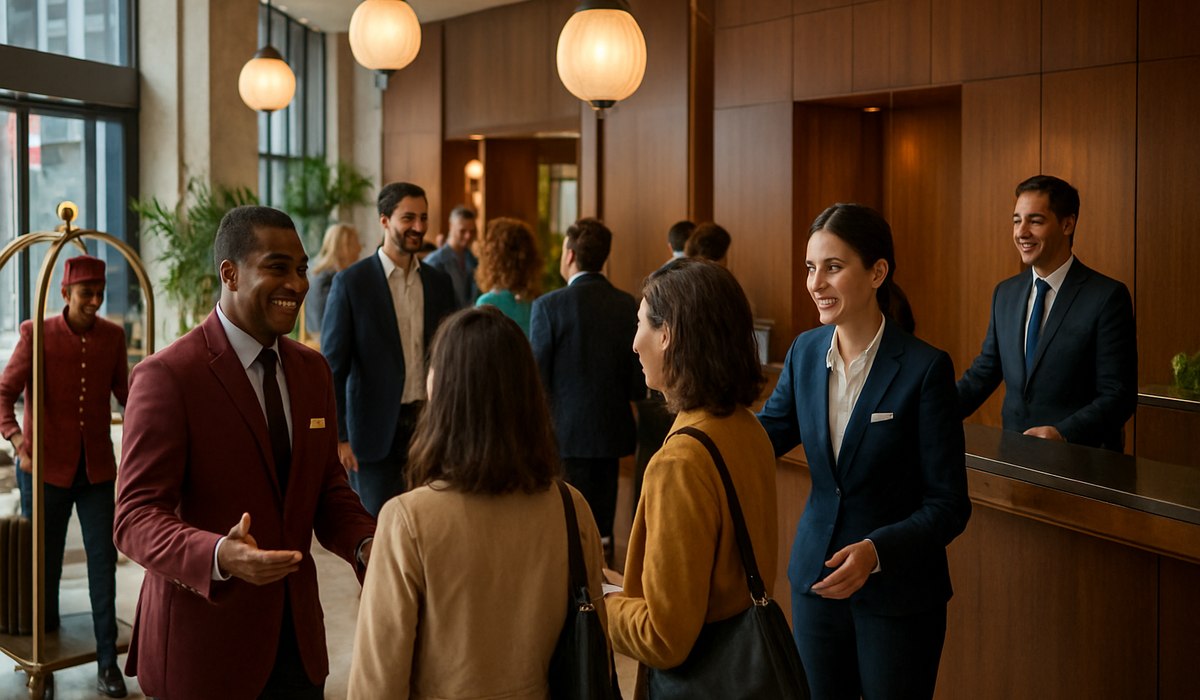
Image generated by AI
U.S. Hospitality Sector Staffing Up for World Cup
The American hospitality industry is making bold hiring bets ahead of the 2026 FIFA World Cup, signaling widespread confidence in an anticipated surge of international visitors. Hotels, restaurants, transportation services, and entertainment venues across tournament host cities are actively recruiting staff to meet projected demand increases.
This staffing expansion reflects industry optimism about the economic opportunity the global event represents. Tourism boards, convention centers, and hospitality operators view the World Cup as a transformational moment for world leisure hospitality in their regions. Yet beneath this enthusiasm lies a fundamental uncertainty: will the tournament actually deliver the visitor influx operators are betting on?
Federal employment data provides the clearest snapshot of hiring momentum. The leisure and hospitality sector has emerged as a leading driver of U.S. job growth in recent months, with expansion concentrated in cities hosting World Cup matches and supporting infrastructure.
Federal Data Shows Job Growth Momentum
Recent labor statistics reveal the hospitality sector's aggressive workforce expansion strategy. Monthly job gains in leisure and hospitality have outpaced broader economic growth, indicating sector-specific confidence rather than economy-wide strength.
Hotels are targeting front-desk staff, housekeeping teams, and guest services positions. Food and beverage establishments are recruiting cooks, servers, and bartenders. Transportation companies need drivers for shuttles and ride-sharing platforms. Event venues require security personnel, ushers, and operational support staff.
The hiring pattern demonstrates how major sporting events influence employment decisions years in advance. Operators must staff up before the tournament begins to accommodate training, scheduling, and operational readiness. This forward-looking approach explains why world leisure hospitality hiring has accelerated despite uncertain demand forecasts.
Industry analysts suggest the sector is preparing for multiple scenarios. Conservative estimates project moderate visitor increases. Optimistic forecasts envision record international arrivals. By hiring now, hospitality businesses position themselves to capitalize on whichever outcome materializes.
Visit the U.S. Bureau of Labor Statistics for detailed employment figures and sector-specific data.
Uncertainty Around Tourism Impact Remains
While hiring numbers suggest confidence, significant questions persist about the World Cup's actual tourism impact. Previous global sporting events have produced mixed results in terms of visitor arrivals and economic benefit.
Economic researchers point to several variables affecting potential impact: exchange rates, travel costs, visa policies, and competing international events. Some international visitors may choose to attend matches without extending their stays in the host country, reducing hotel bookings and restaurant revenue.
Local populations sometimes travel away from host cities during major events, offsetting visitor increases. This creates unpredictable net demand for hospitality services. Some sectors may experience growth while others struggle, complicating the hiring equation.
Industry observers acknowledge these uncertainties while noting that hiring ahead of the event represents a calculated risk. Hospitality businesses can reduce staff if demand disappoints. Conversely, underhiring could result in lost revenue opportunities during peak seasons.
The world leisure hospitality sector's willingness to invest in staffing despite these unknowns reflects both optimism and operational necessity. Tournament preparation timelines require early commitment to workforce development.
For real-time tourism forecasting and event impact analysis, check resources from the U.S. Travel Association.
What This Means for Nomadic Workers
The 2026 World Cup hiring surge creates meaningful opportunities for location-independent professionals and nomadic workers seeking temporary employment. Hospitality businesses need multilingual staff, flexible workers, and experienced service professionals.
Remote workers and digital nomads can leverage their international experience and adaptability. Many hospitality positions offer short-term contracts perfectly suited to nomadic lifestyles. Housing assistance, staff meals, and performance bonuses make these roles financially attractive.
Cities hosting World Cup matches will experience elevated demand for accommodations, services, and entertainment. This creates secondary opportunities for digital service providers, freelance guides, translation services, and tourism consultants.
The timing presents advantages for nomadic professionals planning 2026 travel routes. Working during the World Cup season provides income while establishing residency in tournament host cities. After the event concludes, nomads can relocate to their next destinations.
Check Cruise Critic for information about World Cup-themed cruise packages and maritime tourism options that complement land-based hospitality employment.
Cruise Itinerary at a Glance
While cruise lines haven't announced dedicated World Cup voyages at press time, several operators are developing 2026 packages combining spectator access with maritime travel. Here's what early positioning suggests:
| Cruise Line | Port of Embarkation | Destination Focus | Duration | Tournament Connection |
|---|---|---|---|---|
| Major Ocean Liner | Miami, Florida | Western Caribbean with U.S. ports | 7 days | Pre/post-tournament relaxation |
| Premium Operator | New Orleans | Gulf ports and Caribbean islands | 10 days | Tournament fan packages in development |
| Expedition Specialist | Los Angeles | Pacific coast with Mexico stops | 5 days | Regional hub access for attendees |
| Regional Carrier | Galveston | Short-haul Caribbean cruises | 3-4 days | Quick getaway packages for fans |
| Boutique Line | Charleston | Eastern seaboard cruise routes | 6 days | Regional event positioning |
| Specialty Operator | Tampa | Extended Caribbean itineraries | 12 days | Multi-destination tournament viewing |
Most World Cup cruise packages are expected to launch in late 2025, coordinating with match schedules and accommodation availability in host cities.
Hospitality Sector Staffing Strategies
Recruitment agencies specializing in hospitality are experiencing record demand for their services. Hotels are utilizing seasonal staffing models, offering higher wages for limited-term positions, and expanding benefits packages to attract quality candidates.
Training programs focus on customer service excellence, multilingual communication, and cultural competency. World Cup preparation means staff must accommodate diverse international guests with varying expectations and communication styles.
Technology plays an expanding role in hospitality hiring. Digital platforms help hotels and restaurants recruit workers quickly, manage scheduling efficiently, and streamline onboarding processes. This modernization supports the world leisure hospitality sector's scaling efforts.
Some operators are establishing talent pipelines with hospitality schools and workforce development programs. This long-term approach ensures sustained access to trained professionals beyond the World Cup period.
Hospitality Sector Expansion Metrics
| Metric | 2024 Baseline | 2026 Projection | Growth Rate |
|---|---|---|---|
| Hospitality jobs created monthly | 45,000 | 68,000+ | 51% increase |
| Average wage growth in hotels | 3.2% annually | 4.8-5.5% | Above-sector average |
| International visitor forecasts | 3.2 million | 4.1-4.8 million | 28-50% boost |
| Occupancy rate targets | 68% | 78-85% | Tournament-driven surge |
| Staffing cost increases | 2.1% | 3.5-4.2% | Competitive wage pressure |
These projections assume moderate-to-optimistic World Cup tourism scenarios and exclude potential economic disruptions.
What This Means for Travelers
The hospitality sector's massive hiring initiative creates several advantages and challenges for tourists planning World Cup trips:
-
Enhanced Service Quality: Additional trained staff suggests better service levels at hotels, restaurants, and attractions during the tournament period.
-
Higher Accommodation Costs: Increased demand combined with heavy staffing investments will likely drive room rates upward in host cities.
-
Job Availability: If you're a nomadic worker or gig economy participant, World Cup season offers abundant short-term employment opportunities.
-
Service Availability: Expanded staffing helps ensure venues, restaurants
Disclaimer
This article is for informational and educational purposes only. It does not constitute legal, financial, or professional advice. While we strive to provide accurate and up-to-date information, travel policies, regulations, and conditions change rapidly. Always verify information with official sources before making travel decisions. Nomad Lawyer makes no representations about the accuracy, reliability, completeness, or suitability of the information provided. Readers should consult qualified professionals for advice specific to their circumstances. The views expressed in this article are those of the author and do not necessarily reflect the views of Nomad Lawyer.
Raushan Kumar
Founder & Lead Developer
Full-stack developer with 11+ years of experience and a passionate traveller. Raushan built Nomad Lawyer from the ground up with a vision to create the best travel and law experience on the web.
Learn more about our team →