
Wisconsin Picture Perfect: 3 Spring Trails Awakening with Wildlife in 2026
Wisconsin's three most scenic spring hiking trails in 2026 showcase awakening wildlife and cascading waterfalls. Nature lovers discover accessible routes through diverse ecosystems as the season transforms the Badger State.

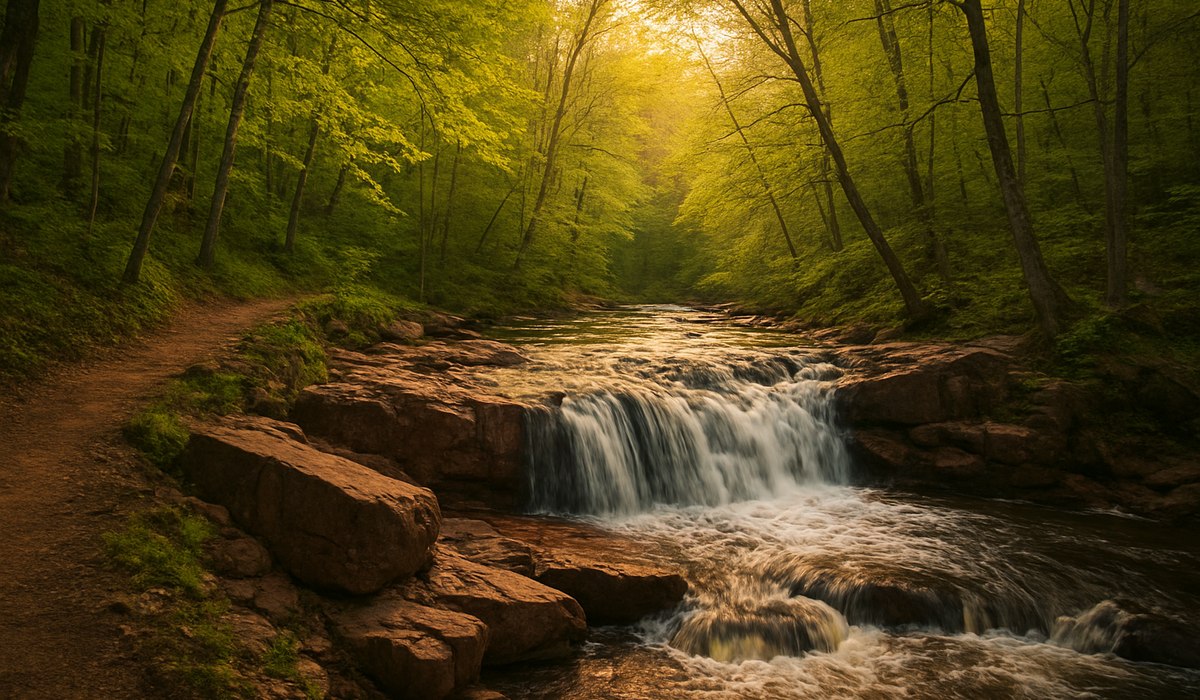
Image generated by AI
Wisconsin Picture Perfect: Three Spring Trails Reveal Nature's Awakening
Wisconsin's spring hiking season transforms the state into a paradise for nature enthusiasts and wildlife observers. As temperatures climb and songbirds return from winter migrations, three exceptional trails in the Badger State offer accessible routes through diverse ecosystems. From cascading waterfalls to vibrant wildflower meadows, these destinations capture the essence of Wisconsin's natural rebirth. Each trail delivers unforgettable experiences within 2.5 miles, making them perfect for visitors shaking off winter lethargy.
Red Granite Falls Trail: Wildlife Spotting at Copper Falls State Park
Copper Falls State Park hosts one of Wisconsin's most rewarding spring experiences. The Red Granite Falls Trail spans 2.5 miles of easy terrain, circling Loon Lake while leading hikers to dramatic waterfall vistas. The Bad River powers through the landscape, creating white-water rapids that crash against distinctive red granite formations—the geological feature inspiring the trail's name.
Spring awakens abundant wildlife throughout this park. Deer emerge from winter cover, porcupines forage among regenerating vegetation, and diverse squirrel and chipmunk populations become increasingly visible. Birdwatchers discover dozens of species, particularly warblers and waterfowl returning to northern habitats. The combination of river ecosystems and transitional forest creates prime opportunities for wildlife observation without requiring advanced hiking skills. Visit Copper Falls State Park's official site for current trail conditions and facility updates.
Big Spring Hike: Diverse Ecosystems at UW Arboretum
Madison's UW Arboretum offers the Big Spring Hike loop, stretching just under 2.4 miles through multiple distinct ecosystems. This easy trail traverses dense thickets, open prairies, oak savannas, and tranquil ponds—each environment hosting different wildlife communities. Spring transforms these landscapes as migratory species return and resident populations emerge from dormancy.
The pond sections reward patient observers with resident turtles basking on logs and rocks during warming afternoons. This reptile activity peaks in spring as they seek sun exposure after winter hibernation. The prairie sections showcase wildflower explosions, while savanna areas attract ground-nesting birds. Hikers should note that certain path sections become slippery after rainfall, requiring appropriate footwear. Wisconsin picture perfect scenery combines accessibility with ecological diversity on this highly recommended trail. The UW Arboretum website provides detailed maps and seasonal updates.
Meadow Trail Loop: Nature at Lapham Peak Park
Lapham Peak State Park, situated near Dousman in southeastern Wisconsin, features the beloved Meadow Trail Loop spanning two miles through prime spring habitat. This trail exemplifies Wisconsin picture perfect conditions during the season's peak blooming period. The dedicated meadow section bursts with wildflower diversity as warming temperatures trigger synchronized flowering.
Visitors encounter varied wildflower species throughout spring months, creating photogenic landscapes across open grasslands. Deer populations browse emerging vegetation, squirrels dash between trees, and numerous bird species establish territories. The meadow's open structure provides excellent visibility for wildlife observation. Local visitors recognize this trail as foundational to understanding Wisconsin's natural heritage. Spring represents the optimal season for experiencing Lapham Peak's transformation from dormancy to vibrant growth. Check Wisconsin DNR parks information for updated hours and facilities.
Planning Your Wisconsin Spring Hiking Adventure
Spring weather in Wisconsin demands thoughtful preparation despite mild average temperatures. Morning conditions often dip into the 40s Fahrenheit while afternoons warm to 60s or 70s—a 30-degree variance requiring strategic layering. Experienced hikers emphasize dressing in adjustable layers rather than single bulky garments.
Waterproof footwear prevents mud-related discomfort from frequent spring precipitation. Long pants offer essential tick protection, as Midwestern tick season commences in spring months. Hikers should perform thorough tick checks after returning from trails. Respect natural environments by photographing rather than picking wildflowers—this practice preserves ecosystems for future visitors. Spring conditions create optimal hiking windows before summer humidity intensifies and insect populations explode. The mild season also means fewer crowds than peak summer months, allowing for more solitary nature experiences.
How to Book the Best Fare
Planning a Wisconsin spring hiking vacation involves coordinating transportation alongside trail exploration. Visitors traveling by train can explore Trainline's comprehensive booking platform for passenger rail options connecting major Wisconsin cities and regional stations. Compare available train operators' fares across multiple dates to identify optimal pricing. Early-season spring travelers (April-early May) often secure better rates than peak season visitors.
Advance bookings typically offer significant savings compared to same-day purchases. Consider purchasing rail passes if planning multiple train journeys throughout Wisconsin and surrounding regions. Online booking platforms provide real-time availability and price comparisons across competing operators. Check whether peak-time restrictions apply to discounted tickets, as spring weekend travel may carry premium pricing. Trainline alerts users to sales and limited-time offers, helping budget-conscious travelers maximize savings on transportation investments.
Key Spring Hiking Trail Comparison
| Trail Name | Location | Distance | Difficulty | Best Feature | Spring Wildlife |
|---|---|---|---|---|---|
| Red Granite Falls | Copper Falls State Park | 2.5 miles | Easy | Waterfall & rapids | Deer, porcupines, birds |
| Big Spring Hike | UW Arboretum | 2.4 miles | Easy | Pond turtles | Turtles, waterfowl, songbirds |
| Meadow Trail Loop | Lapham Peak Park | 2.0 miles | Easy | Wildflower meadow | Deer, squirrels, migrants |
| Season Peak | Wisconsin statewide | Variable | Varies | Ecosystem awakening | April-May abundance |
| Parking Availability | All locations | Available | Free | Early morning access | Moderate spring crowds |
| Trail Conditions | Recent updates | Current | Variable | Weather-dependent | Post-rain caution |
What This Means for Travelers
Wisconsin picture perfect spring hiking offers accessible, wildlife-rich experiences for nature enthusiasts at all skill levels. These three trails deliver concentrated natural value within manageable distances, addressing common visitor needs:
-
Choose trails matching your ecosystem interests—Red Granite emphasizes water features and river wildlife; Big Spring showcases diverse habitat mosaics; Meadow Trail specializes in wildflower displays and open-space fauna observation.
-
Layer clothing strategically to accommodate Wisconsin's unpredictable spring temperature swings without compromising mobility or comfort during active hiking.
-
Prioritize protective gear including waterproof boots and long pants to navigate muddy conditions and mitigate tick exposure during peak season.
-
Visit during April-May windows before summer humidity and peak tourist traffic transform the hiking landscape, securing quieter trail experiences.
-
Coordinate multi-day trips using Trainline's booking services to connect Wisconsin destinations economically while reducing driving stress and environmental impact.
-
Photograph wildflowers and wildlife rather than harvesting specimens, preserving these ecosystems for future generations of visitors.
FAQ
What wildlife can I realistically expect to see on Wisconsin spring trails?
White-tailed deer, eastern chipmunks, gray squirrels, porcupines, and diverse bird species (warblers, robins, waterfowl) are commonly observed. Turtles bask at water features during warm afternoons. Sightings depend on visiting during midday hours when animals are most active and visible.
Disclaimer
This article is for informational and educational purposes only. It does not constitute legal, financial, or professional advice. While we strive to provide accurate and up-to-date information, travel policies, regulations, and conditions change rapidly. Always verify information with official sources before making travel decisions. Nomad Lawyer makes no representations about the accuracy, reliability, completeness, or suitability of the information provided. Readers should consult qualified professionals for advice specific to their circumstances. The views expressed in this article are those of the author and do not necessarily reflect the views of Nomad Lawyer.
Kunal K Choudhary
Co-Founder & Contributor
A passionate traveller and tech enthusiast. Kunal contributes to the vision and growth of Nomad Lawyer, bringing fresh perspectives and driving the community forward.
Learn more about our team →