
Why Visiting National Park of American Samoa Requires a Passport for US Citizens in 2026
Despite being a U.S. National Park, the National Park of American Samoa requires a valid passport for all visitors, including U.S. citizens, due to the territory's unique sovereign border controls.

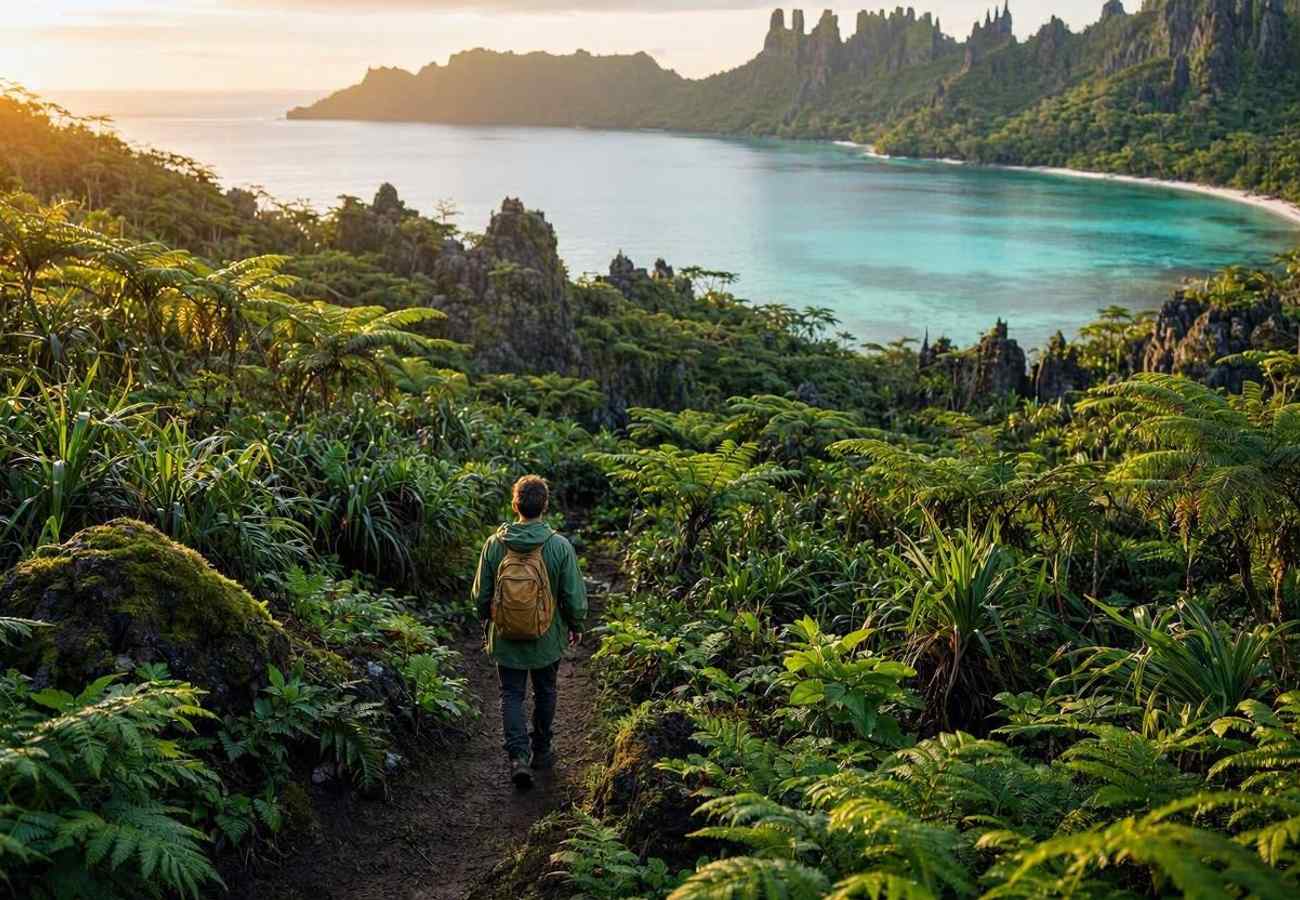
Image generated by AI
12,135 annual recreation visits define the staggering exclusivity of the National Park of American Samoa, a figure that pales in comparison to the 13 million visitors who flock to the Great Smoky Mountains National Park. For the dedicated traveler attempting to check off all 63 U.S. national parks, this South Pacific outpost represents more than just a logistical challenge—it is a legal anomaly. While 62 of the nation's parks can be accessed with a standard driver's license or no identification at all, this specific preserve demands a valid U.S. passport, even for American citizens.
The Legal Anomaly of Unincorporated Territories
The requirement for a passport to enter a U.S.-administered park stems from the complex political status of American Samoa. Unlike Puerto Rico or Guam, American Samoa is an unincorporated territory with a distinct legal relationship with the federal government. A primary driver of this distinction is the status of its indigenous population; residents are classified as American nationals rather than U.S. citizens at birth.
Because the territory operates under its own constitution and a self-governing local system, the U.S. Citizenship and Immigration Services (USCIS) does not maintain jurisdiction over its borders. Instead, the government of American Samoa exercises sovereign control over who enters and exits the islands. This creates a scenario where a U.S. citizen is technically entering a jurisdiction that manages its own immigration independently of the federal mainland.
To satisfy these local border controls, every non-resident traveler must present three specific items upon arrival:
- A valid U.S. passport.
- Documented proof of sufficient financial funds to support their stay.
- A confirmed return or onward travel ticket.
Logistics and Access Data: The Cost of Isolation
Located approximately 2,600 miles southwest of Hawaii, the park is spread across 13,500 acres on the volcanic islands of Tutuila, Taʻū, and Ofu. The physical remoteness is mirrored by the financial and logistical barriers to entry. Access is heavily restricted to prevent environmental degradation of the delicate tropical ecology.
The primary gateway to the territory is Hawaiian Airlines, which operates a limited number of weekly flights from Daniel K. Inouye International Airport in Honolulu to Pago Pago International Airport. This 5.5-hour flight is the only consistent long-haul commercial link to the region.
| Travel Metric | Data Point |
|---|---|
| Average Round-Trip Airfare | $1,000 – $1,500 |
| Total Park Acreage | 13,500 acres |
| Flight Duration (Honolulu to Pago Pago) | 5.5 hours |
| Annual Visitation | ~12,135 visits |
| Marine Habitat Area | ~4,000 acres |
For those wishing to explore beyond the main island of Tutuila, the logistics become even more complex. Reaching the outer islands of Ofu or Taʻū requires secondary charter boats or small inter-island flights, as there is no centralized transit system connecting the volcanic chain.
Expert Analysis: The Intersection of Sovereignty and Conservation
For travelers booking this route, the direct consequence of American Samoa's legal status is a shift in the "domestic" travel mindset. Most Americans view national parks as public lands with open access; however, the National Park of American Samoa functions more like an international destination. The requirement for a passport is not a bureaucratic whim but a mechanism for the territory to maintain its FaʻaSamoa (the Samoan way of life) and protect communal land customs.
The pricing pressure created by limited flight availability and the high cost of airfare ($1,000+) acts as a natural filter, keeping visitation numbers low. From a management perspective, this is intentional. The National Park Service (NPS) prioritizes the protection of five distinct rainforest zones—lowland, montane, coast, ridge, and cloud forests—over the revenue generated by high-volume tourism.
The environmental stakes are high. The park protects critical populations of the Samoan flying fox and various endangered sea turtles. By maintaining strict entry requirements and limited infrastructure, the U.S. government and local village councils ensure that the 800 native species of tropical fish in the 4,000-acre coral reef system remain undisturbed by the mass tourism patterns seen in the continental U.S.
Key Takeaways
- Passport Mandatory: U.S. citizens must carry a valid passport to enter American Samoa; failure to do so results in immediate denial of entry.
- Strict Entry Criteria: Beyond a passport, visitors must provide proof of return flights and sufficient funds for their stay.
- Limited Flight Access: Commercial access is primarily restricted to a few weekly flights via Hawaiian Airlines from Honolulu.
- Conservation First: Low visitation (12,135 annually) is a deliberate result of the park's remote location and the government's focus on protecting rare rainforest and marine ecosystems.
- Extended Stays: Visitors can apply for a 30-day extension, but longer stays require official employment verification or residence permits.
FAQ: Visiting American Samoa 2026
Do I really need a passport if I am a U.S. citizen? Yes. Because American Samoa manages its own border control and is not under USCIS jurisdiction, a valid U.S. passport is required for all non-resident travelers to enter the territory.
How do I get to the National Park of American Samoa? The most common route is flying from Honolulu to Pago Pago via Hawaiian Airlines. From Pago Pago, you will need to rent a car for Tutuila or arrange charter boats to reach Ofu and Taʻū.
What happens if I want to stay longer than 30 days? You must apply for a formal entry extension. Stays exceeding the initial window require legal clearance, official local employment verification, or a government-issued residence permit.
Is it safe to visit the park? Yes, it is recognized as one of the safest national parks in the U.S. system, though visitors should be prepared for rugged terrain and limited medical infrastructure on the outer islands.
The price of admission to the world's most secluded national park is a passport and a willingness to embrace total isolation.
Related Travel Guides
Disclaimer
This article is for informational and educational purposes only. It does not constitute legal, financial, or professional advice. While we strive to provide accurate and up-to-date information, travel policies, regulations, and conditions change rapidly. Always verify information with official sources before making travel decisions. Nomad Lawyer makes no representations about the accuracy, reliability, completeness, or suitability of the information provided. Readers should consult qualified professionals for advice specific to their circumstances. The views expressed in this article are those of the author and do not necessarily reflect the views of Nomad Lawyer.
Kunal K Choudhary
Co-Founder & Contributor
A passionate traveller and tech enthusiast. Kunal contributes to the vision and growth of Nomad Lawyer, bringing fresh perspectives and driving the community forward.
Learn more about our team →