
Boeing's KC-46 Pegasus Faces Mounting Scrutiny as US Military Grapples with Aging Tanker Fleet Crisis
Breaking airline news and aviation industry updates for 2026.

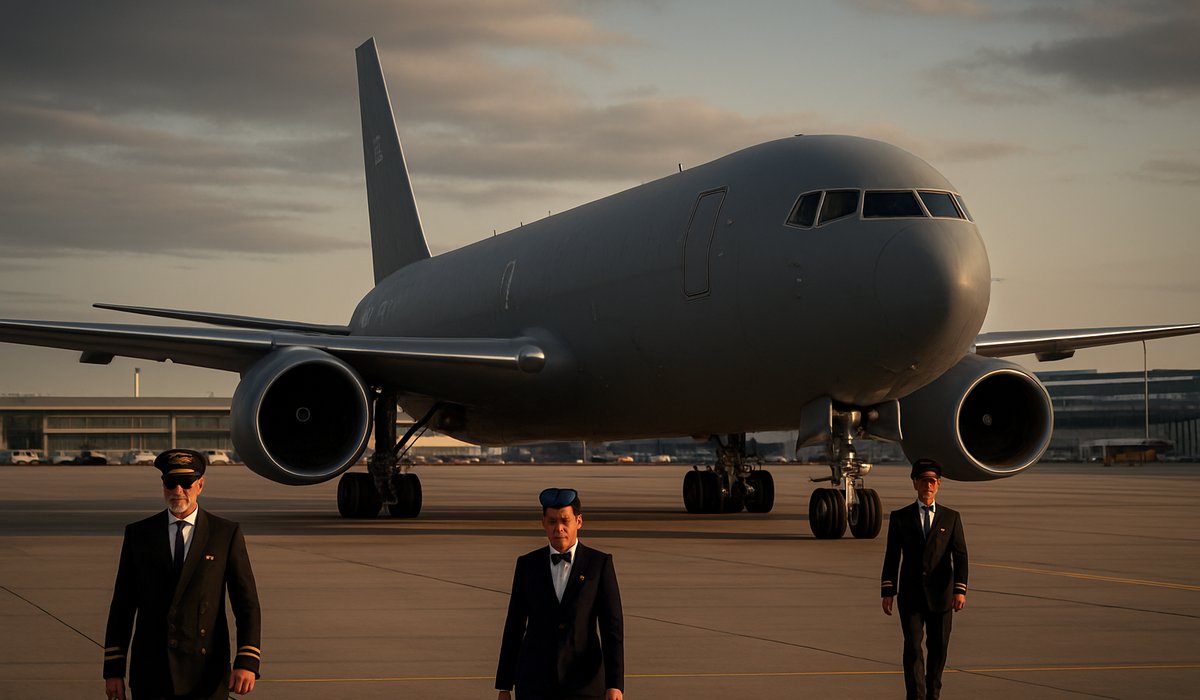
Image generated by AI
Boeing's KC-46 Pegasus Faces Mounting Scrutiny as US Military Grapples with Aging Tanker Fleet Crisis
Decades-old refueling aircraft remain in service despite safety concerns, while replacement program struggles with design defects and budget overruns
The Aging Fleet Dilemma
The United States Air Force and Air National Guard continue operating a sprawling network of refueling aircraft that have become symbols of military infrastructure decline. The KC-135 Stratotanker, a Cold War-era platform first introduced during President Dwight Eisenhower's administration, now averages nearly seven decades in operational service. Many aircraft in the fleet are approaching or exceeding 70 years of continuous duty—a troubling reality that has prompted urgent calls for modernization.
Recent in-flight structural failures and mechanical incidents have underscored the precarious condition of these aging platforms. Maintenance complexity has surged as components deteriorate, forcing maintenance crews to perform increasingly intricate repairs on systems originally designed for a lifespan far shorter than their current operational tenure. For a military requiring reliable air-to-air refueling capabilities across global operations, the aging fleet represents both a logistical headache and a strategic vulnerability.
The Troubled Replacement Program
Enter the Boeing KC-46 Pegasus—a next-generation tanker intended to usher the Air Force into the modern era. However, the aircraft has become one of the most contentious acquisition programs in recent Pentagon history, plagued by design flaws, spiraling costs, and serious safety deficiencies that have delayed deployment and triggered congressional scrutiny.
The program has consumed billions of dollars in development and production costs, with expenses continuing to climb as Boeing addresses fundamental engineering problems. These aren't minor refinements; they represent critical vulnerabilities that threaten operational effectiveness and crew safety.
Strategic and Budgetary Implications
The KC-46 controversy highlights deeper challenges within military procurement systems, where technological ambition collides with cost discipline and schedule pressures. Each year the fleet modernization stalls, the Air Force remains dependent on increasingly fragile Cold War infrastructure while competitors invest in next-generation capabilities.
The contrast is stark: an antiquated but functional fleet versus a troubled replacement that promises capability but delivers delays and technical headaches. For military planners, the situation represents a strategic bind—neither option is satisfactory, yet both remain in the operational inventory simultaneously.
As debates continue over design corrections and budgetary allocations, one certainty remains: the KC-46 will ultimately replace the KC-135, but the path to achieving that transition has proven far more complicated and contentious than Pentagon officials anticipated.
Frequently Asked Questions
What is the KC-135 Stratotanker, and why is it still in use? The KC-135 is a Cold War-era air-to-air refueling tanker first deployed during the 1950s. Despite being nearly 70 years old on average, the Air Force continues operating it because replacement programs have faced significant delays and complications.
What are the main problems with the Boeing KC-46 Pegasus? The KC-46 has encountered severe design deficiencies, safety hazards, and multi-billion-dollar cost overruns that have repeatedly delayed its full deployment and operational deployment across the Air Force fleet.
How long has the KC-46 modernization program been underway? The program has extended far beyond original timelines due to technical challenges and design revisions, making it one of the Pentagon's most protracted and costly modernization efforts.
What impact do aging refueling tankers have on US military operations? The aging fleet limits operational flexibility, increases maintenance demands, poses safety risks to crews, and constrains the Air Force's ability to sustain global operations and training missions.
When will the KC-46 Pegasus enter full operational service? Timeline estimates continue to shift as Boeing addresses persistent technical and safety issues, with no firm operational deployment date currently established.
Related Travel Guides
External Resources
Disclaimer
This article is for informational and educational purposes only. It does not constitute legal, financial, or professional advice. While we strive to provide accurate and up-to-date information, travel policies, regulations, and conditions change rapidly. Always verify information with official sources before making travel decisions. Nomad Lawyer makes no representations about the accuracy, reliability, completeness, or suitability of the information provided. Readers should consult qualified professionals for advice specific to their circumstances. The views expressed in this article are those of the author and do not necessarily reflect the views of Nomad Lawyer.
Kunal K Choudhary
Co-Founder & Contributor
A passionate traveller and tech enthusiast. Kunal contributes to the vision and growth of Nomad Lawyer, bringing fresh perspectives and driving the community forward.
Learn more about our team →