
Airlines Are Surgically Dismantling Aging Passenger Jets to Resurrect Them as Cargo Planes
Breaking airline news and aviation industry updates for 2026.

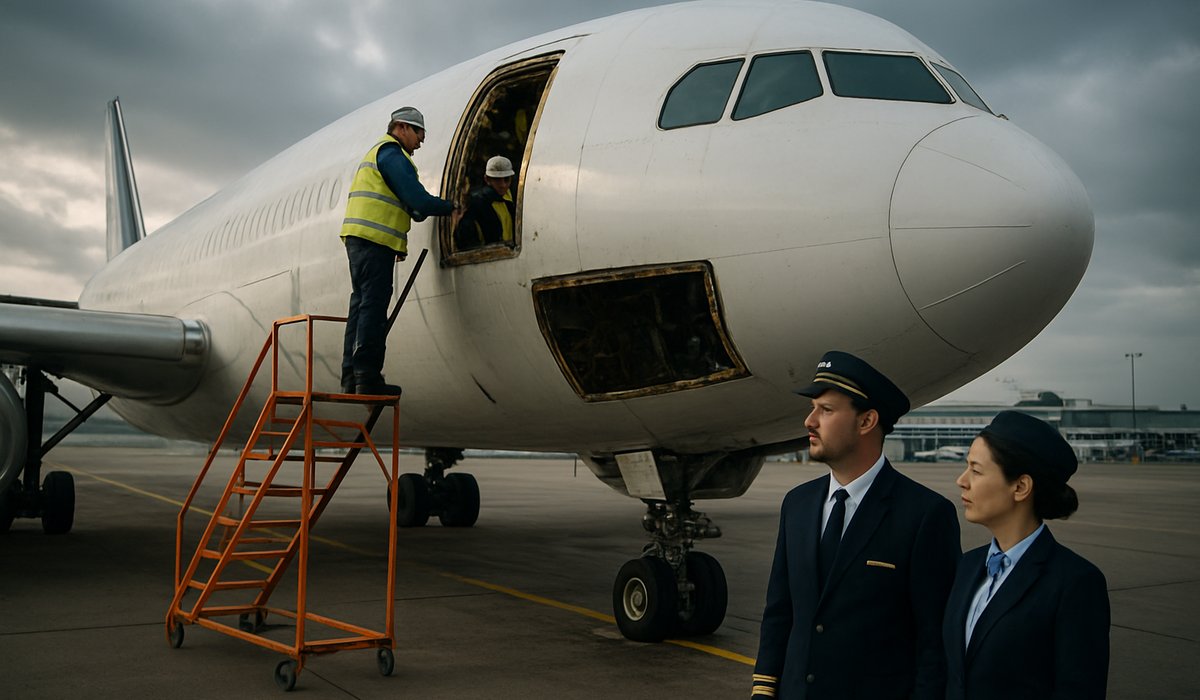
Image generated by AI
Airlines Are Surgically Dismantling Aging Passenger Jets to Resurrect Them as Cargo Planes
As fuel costs soar and passenger demand remains volatile, carriers are investing in radical aircraft conversions to extend the operational lifespan of older fleets
The Second Life of Retiring Airliners
The commercial aviation industry is embracing an unconventional survival strategy: systematically cutting open aging passenger aircraft and reconstructing them as freight-carrying freighters. Rather than scrapping perfectly functional planes simply because they no longer generate sufficient revenue on passenger routes, airlines and aerospace specialists are performing extensive structural modifications to give these aircraft an entirely new operational purpose.
This trend reflects a fundamental shift in aviation economics. Airlines typically retire aircraft not because they are mechanically unsafe or beyond repair, but because passenger operations have become economically unviable—often years before an aircraft reaches the end of its genuine airworthiness life. With jet fuel prices remaining elevated due to geopolitical instability and supply chain disruptions, carriers are discovering that converting surplus capacity into cargo operations offers a profitable alternative to decommissioning.
Why Airlines Are Converting Rather Than Scrapping
The conversion process involves extensive modifications: removing passenger seating, cabin pressurization systems, and interior fittings before installing reinforced cargo floors, specialized loading equipment, and freight-handling infrastructure. Despite the substantial capital investment required, airlines find the economics compelling.
Global demand for air cargo has remained resilient, particularly in high-margin international freight markets. E-commerce growth, pharmaceutical logistics, and time-sensitive shipments continue to support premium freight rates that often exceed passenger revenue per available ton-kilometer. This disparity incentivizes operators to repurpose aircraft rather than liquidate them.
The Broader Industry Implications
This conversion trend reveals deeper structural challenges within commercial aviation. The volatile passenger market—buffeted by economic uncertainty, geopolitical tensions, and fluctuating fuel surcharges—has created significant capacity mismatches. Airlines find themselves operating fleets sized for pre-pandemic demand, forcing difficult choices about asset utilization.
Simultaneously, manufacturers cannot produce new aircraft quickly enough to meet cargo demand growth, creating a supply gap that older converted aircraft conveniently fill. The global supply chain disruptions of recent years accelerated this dynamic, with specialized cargo aircraft commanding premium utilization rates.
Looking Forward
As airlines navigate rising operational costs and unpredictable passenger demand, the conversion strategy represents pragmatic fleet management rather than innovation. By extending aircraft lifecycles through structural repurposing, carriers optimize asset value while maintaining aging fleets that might otherwise become financial liabilities.
This approach also reflects industry maturity: rather than pursuing growth through fleet expansion, operators are maximizing returns from existing assets—a financially conservative posture increasingly necessary in an environment of elevated jet fuel prices and economic headwinds.
FAQ: Common Questions About Aircraft Conversions
Q: How long does it take to convert a passenger aircraft into a cargo freighter? A: Conversion programs typically require 6-12 months of intensive work, depending on the aircraft type and extent of structural modifications required.
Q: What aircraft types are most commonly converted? A: Older widebody jets like the Boeing 767 and Airbus A330 are popular candidates due to their cargo capacity and remaining airworthiness.
Q: Does conversion affect aircraft safety standards? A: Converted freighters undergo rigorous certification to meet international airworthiness standards and cargo-specific safety requirements.
Q: Why not simply purchase new cargo aircraft instead? A: Manufacturing lead times for new aircraft can exceed five years, making conversions a faster, more cost-effective solution to meet immediate freight capacity needs.
Q: How does this trend affect jet fuel costs for airlines? A: By optimizing fleet utilization across multiple revenue streams, airlines can better absorb volatile jet fuel price fluctuations through diversified operations.
Related Travel Guides
-
United Airlines Seven-Hub Marathon: 60 Frequent Flyers Complete Epic 24-Hour Cross-Country Challenge
External Resources
Disclaimer
This article is for informational and educational purposes only. It does not constitute legal, financial, or professional advice. While we strive to provide accurate and up-to-date information, travel policies, regulations, and conditions change rapidly. Always verify information with official sources before making travel decisions. Nomad Lawyer makes no representations about the accuracy, reliability, completeness, or suitability of the information provided. Readers should consult qualified professionals for advice specific to their circumstances. The views expressed in this article are those of the author and do not necessarily reflect the views of Nomad Lawyer.
Raushan Kumar
Founder & Lead Developer
Full-stack developer with 11+ years of experience and a passionate traveller. Raushan built Nomad Lawyer from the ground up with a vision to create the best travel and law experience on the web.
Learn more about our team →