
Southwest Airlines Abandons Assigned Seating Plan After Operational Chaos: What Went Wrong
Breaking airline news and aviation industry updates for 2026.

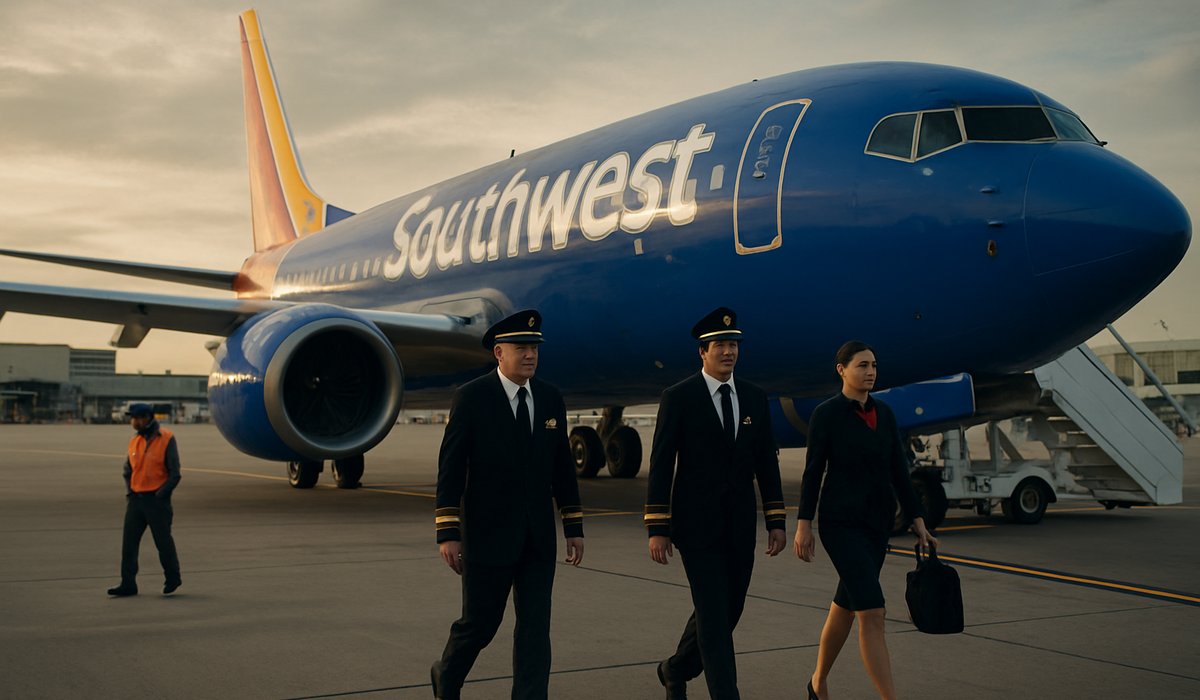
Image generated by AI
Southwest Airlines Abandons Assigned Seating Plan After Operational Chaos: What Went Wrong
The carrier's radical departure from its iconic open-seating model created unforeseen friction—and the airline is walking it back faster than expected
A Half-Century Tradition Crumbles in Weeks
Southwest Airlines, which has built its brand identity around a distinctive open-seating model for over 50 years, has hastily retreated from its newly implemented assigned seating system following widespread operational disruptions and passenger friction. The dramatic reversal marks a significant strategic miscalculation for the Dallas-based carrier, which abandoned its signature boarding ritual—where customers received A, B, or C boarding positions and selected seats upon entry—in favor of a traditional assigned-seat framework.
The shift, intended to modernize operations and align with industry standards, instead created cascading problems that exposed critical vulnerabilities in Southwest's operational infrastructure and passenger experience model.
The Operational Breakdown
Within weeks of rolling out assigned seating across its fleet, Southwest encountered mounting challenges tied to overhead bin management. The carrier's business model, built around rapid turnarounds and efficient aircraft utilization, fundamentally depends on smooth boarding processes. The transition to assigned seats disrupted this carefully calibrated system, triggering bottlenecks at gates and cabin crew conflicts over luggage storage.
Industry observers note that the overhead bin crisis became Southwest's most immediate headache. Under the previous open-seating arrangement, passengers boarding earlier had natural incentive to gate-check bags or stow them efficiently. The new assigned-seat system eliminated this behavioral dynamic, creating a surge in overhead bin disputes and delays that threatened the carrier's vaunted on-time performance metrics.
Brand Identity vs. Operational Reality
Southwest's iconic boarding process wasn't merely procedural—it was fundamental to the carrier's low-cost, customer-centric positioning. The model differentiated Southwest from legacy carriers while generating operational efficiencies that helped maintain competitive pricing structures. The forced pivot to assigned seating represented an existential shift that alienated a core customer base accustomed to the airline's unconventional approach.
Company leadership underestimated both customer attachment to the familiar system and the practical challenges of retrofitting decades-old operational protocols to accommodate industry-standard seating assignments.
What's Next for Southwest
The airline's rapid backtracking signals a broader truth within aviation: operational changes that seem logical on spreadsheets can create real-world friction that undermines profitability and customer satisfaction. Southwest must now determine whether to revert fully to its open-seating model or pursue a modified hybrid approach that maintains cost efficiency while preventing the chaos that derailed its initial transformation attempt.
FAQ: Southwest Airlines Seating and Aviation Operations
Q: Why did Southwest abandon assigned seating so quickly? A: Operational disruptions, particularly overhead bin management issues and gate delays, made the system untenable within weeks of implementation.
Q: How does open seating affect airline profitability? A: Open seating enables faster turnarounds and efficient gate operations, directly supporting Southwest's low-cost model and competitive pricing.
Q: What impact do boarding process changes have on aviation industry standards? A: Boarding procedures affect on-time performance, fuel costs, crew efficiency, and operational margins—critical metrics for airline financial health.
Q: Is assigned seating becoming standard across US carriers? A: Most major carriers use assigned seating, but Southwest's failure demonstrates that operational context and business models determine what works for each airline.
Q: How do baggage fees and overhead bin policies intersect with boarding changes? A: Charging for checked bags incentivizes carry-on luggage, creating bin space competition. Boarding procedures directly influence how efficiently airlines manage this constraint.
Related Travel Guides
Flight Delay Compensation Guide 2026
Understanding Airline Route Changes
Airport Security Process Updated (2026)
External Resources
Disclaimer
This article is for informational and educational purposes only. It does not constitute legal, financial, or professional advice. While we strive to provide accurate and up-to-date information, travel policies, regulations, and conditions change rapidly. Always verify information with official sources before making travel decisions. Nomad Lawyer makes no representations about the accuracy, reliability, completeness, or suitability of the information provided. Readers should consult qualified professionals for advice specific to their circumstances. The views expressed in this article are those of the author and do not necessarily reflect the views of Nomad Lawyer.
Kunal K Choudhary
Co-Founder & Contributor
A passionate traveller and tech enthusiast. Kunal contributes to the vision and growth of Nomad Lawyer, bringing fresh perspectives and driving the community forward.
Learn more about our team →