
Military Aircraft Maintenance Crisis: F-22 Raptor Demands 30 Hours of Upkeep Per Flight Hour
Breaking airline news and aviation industry updates for 2026.

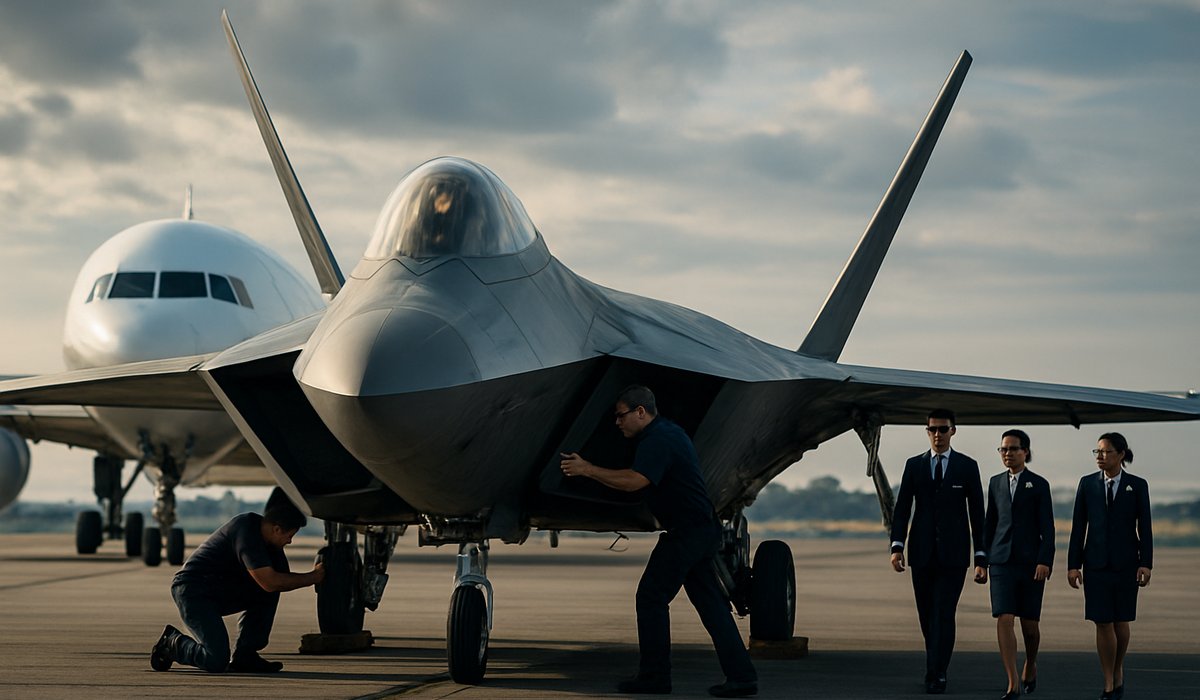
Image generated by AI
Military Aircraft Maintenance Crisis: F-22 Raptor Demands 30 Hours of Upkeep Per Flight Hour
Aging stealth fighter fleet faces mounting operational costs as structural strain accumulates across the global defense landscape
The Rising Burden of Advanced Fighter Maintenance
The Lockheed Martin F-22 Raptor, widely regarded as one of the world's most technologically advanced combat aircraft, is revealing a sobering reality about cutting-edge military aviation: extraordinary capability demands extraordinary maintenance. Recent assessments indicate that the stealth fighter requires approximately 30 hours of maintenance work for every single hour of flight operations—a staggering ratio that underscores the operational complexities facing modern air forces worldwide.
This intensive maintenance requirement reflects the aircraft's sophisticated design and the relentless physical demands placed on its airframe during high-performance operations. The F-22, which has served as the global standard for air-superiority capability for over two decades, operates in an unforgiving environment where even minor structural degradation can compromise performance and safety.
Aging Airframes and Structural Deterioration
The F-22 fleet's aging infrastructure presents an escalating challenge for defense budgets and operational readiness. As these aircraft continue to accumulate flight hours, the cumulative stress on their structures intensifies considerably. Combat operations and sustained readiness missions expose critical components to extreme forces—rapid acceleration, high-altitude performance, and intense thermal stress—that gradually degrade even the most robust engineering.
The maintenance-to-flight ratio of 30:1 places substantial pressure on military logistics networks and maintenance crews, requiring specialized technical expertise and access to increasingly scarce replacement components. This demand creates a cascading effect across defense spending priorities, consuming resources that might otherwise support fleet modernization or additional aircraft acquisitions.
Implications for Global Defense Capabilities
The F-22 Raptor's maintenance burden illuminates broader challenges within advanced military aviation. As defense systems become more sophisticated, operational costs rise proportionally. This reality forces military planners to confront difficult decisions regarding fleet sustainability, lifecycle management, and long-term capability planning.
For air forces maintaining F-22 fleets, the 30-hour maintenance requirement translates directly into reduced operational availability, higher per-flight costs, and competing budgetary demands. These constraints increasingly drive interest in alternative procurement strategies and modernization initiatives aimed at developing more maintainable next-generation platforms.
The Raptor's situation serves as a cautionary case study for defense contractors and military acquisition specialists evaluating the true cost of ownership for advanced systems, a consideration that will shape fighter aircraft development for decades ahead.
FAQ: F-22 Raptor Maintenance and Military Aviation
Why does the F-22 Raptor require so much maintenance? The aircraft's advanced stealth technology, sophisticated materials, and extreme performance capabilities demand precision maintenance. Combat operations and readiness protocols subject the airframe to intense structural stress that requires continuous inspection and component replacement.
How does this maintenance ratio affect military readiness? High maintenance requirements significantly reduce operational availability. With 30 hours needed per flight hour, air forces can deploy fewer aircraft for active operations while maintaining the same maintenance infrastructure, limiting tactical flexibility.
Is this maintenance burden typical for advanced fighters? Modern stealth and fifth-generation aircraft generally require elevated maintenance compared to older platforms, though the F-22's ratio represents the upper end of the spectrum. This influences defense procurement decisions globally.
What is Lockheed Martin doing to reduce F-22 maintenance costs? Defense contractors continuously develop improved maintenance procedures and component designs to enhance reliability and reduce lifecycle costs, though fundamental redesigns remain economically impractical for existing fleets.
How will this impact future fighter jet development? The F-22's maintenance challenges directly influence next-generation aircraft specifications, pushing designers toward more maintainable designs while maintaining advanced capabilities—a central consideration in programs like the F-35 and future platform development.
Related Travel Guides
Disclaimer
This article is for informational and educational purposes only. It does not constitute legal, financial, or professional advice. While we strive to provide accurate and up-to-date information, travel policies, regulations, and conditions change rapidly. Always verify information with official sources before making travel decisions. Nomad Lawyer makes no representations about the accuracy, reliability, completeness, or suitability of the information provided. Readers should consult qualified professionals for advice specific to their circumstances. The views expressed in this article are those of the author and do not necessarily reflect the views of Nomad Lawyer.
Kunal K Choudhary
Co-Founder & Contributor
A passionate traveller and tech enthusiast. Kunal contributes to the vision and growth of Nomad Lawyer, bringing fresh perspectives and driving the community forward.
Learn more about our team →