
Germany Pivots to American F-35s After Scrapping European Fighter Jet Program
Breaking airline news and aviation industry updates for 2026.

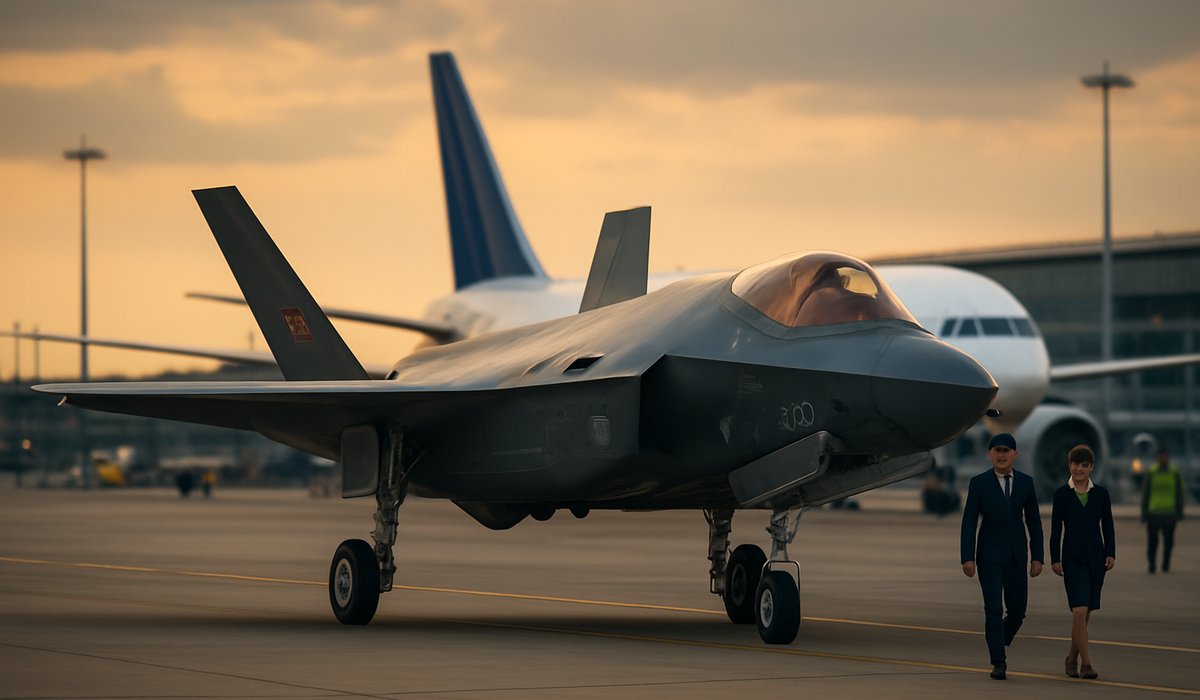
Image generated by AI
Germany Pivots to American F-35s After Scrapping European Fighter Jet Program
Berlin abandons ambitious 6th-generation combat aircraft partnership with France, signaling major shift in European defense strategy
Defense Alliance Recalibration Marks Historic Shift
Germany's defense establishment has made a dramatic strategic reversal, moving to acquire an additional 15 Lockheed Martin F-35 Lightning II fighter jets while simultaneously abandoning its partnership with France on an indigenous European combat aircraft. The decision, following the formal termination of the Future Combat Air System (FCAS) program in June 2026, underscores mounting tensions within Europe's defense procurement framework and accelerating dependence on American military technology.
The development marks a watershed moment for continental European military ambitions. The FCAS initiative—a flagship 6th-generation fighter program jointly developed by Berlin and Paris—represented Europe's most ambitious attempt to establish independent advanced aerospace capabilities. Its collapse leaves Germany facing immediate capability gaps as aging fighter fleets approach retirement.
Bridging the Capability Gap
Rather than pursuing an accelerated European alternative, Germany is charting a pragmatic interim course. The nation continues procurement of the Eurofighter Typhoon through the 2030s while simultaneously preparing for the integration of American-manufactured F-35A variants. Initial deliveries of Germany's F-35 contingent are expected beginning in 2026, establishing operational capabilities within the existing NATO framework.
The F-35 represents the world's most extensively deployed stealth fighter platform, already operational across NATO membership. By transitioning to this proven system, Berlin sidesteps the technical risks and extended timelines that plagued the FCAS program—a partnership increasingly strained by competing industrial interests and technological disagreements between the two nations.
Geopolitical and Industrial Implications
The strategic pivot carries significant geopolitical weight. Germany's decision effectively signals European security architecture's continued reliance on American military-industrial capacity, even as defense spending escalates across the continent. The choice simultaneously represents a setback for European aerospace manufacturers and the broader political objective of strategic autonomy within European Union defense policy.
France, positioned as the primary beneficiary of FCAS collaboration, faces its own recalibration as European defense partnerships fragment. The decision also validates the F-35's position as NATO's de facto standardized fighter platform, consolidating Lockheed Martin's market dominance in the advanced combat aircraft sector.
Market Consolidation in Advanced Aviation
Germany's procurement decision occurs amid broader consolidation within global defense aviation markets. The F-35 production pipeline now extends through the 2040s, with allied nations increasingly standardizing on the platform rather than pursuing independent development trajectories. This concentration carries implications for defense spending across allied nations and industrial competition within the aerospace sector.
FAQ: Germany's Fighter Jet Strategy and NATO Defense
What triggered Germany's withdrawal from the FCAS program? Germany officially terminated the Future Combat Air System partnership with France in June 2026, citing technical disagreements and diverging industrial interests in developing an independent 6th-generation fighter platform.
When will Germany receive its F-35 fighter jets? Initial F-35A deliveries to Germany are scheduled to commence in 2026, with the additional 15-aircraft acquisition augmenting existing procurement plans through the 2030s.
How does this decision impact European defense independence? Germany's pivot to American F-35 technology represents a strategic setback for European efforts toward autonomous military capabilities, deepening continental reliance on NATO and U.S. industrial capacity.
What role will Eurofighter Typhoons continue serving? Germany maintains Eurofighter procurement through the 2030s, creating a transitional fleet structure during the F-35 integration period.
What are the broader NATO implications? The consolidation of F-35 adoption across allied nations strengthens NATO standardization while reducing aerospace industrial competition and innovation incentives within Europe.
Related Travel Guides
-
Copenhagen Airport Sees Unprecedented Growth Handling Nearly Three Million Passengers in April
-
Eurowings Ignites Balkan Tourism Surge with New Direct Berlin to Sarajevo Service: €64.99 Fares
External Resources
Disclaimer
This article is for informational and educational purposes only. It does not constitute legal, financial, or professional advice. While we strive to provide accurate and up-to-date information, travel policies, regulations, and conditions change rapidly. Always verify information with official sources before making travel decisions. Nomad Lawyer makes no representations about the accuracy, reliability, completeness, or suitability of the information provided. Readers should consult qualified professionals for advice specific to their circumstances. The views expressed in this article are those of the author and do not necessarily reflect the views of Nomad Lawyer.
Preeti Gunjan
Contributor & Community Manager
A passionate traveller and community builder. Preeti helps grow the Nomad Lawyer community, fostering engagement and bringing the reader experience to life.
Learn more about our team →