
The Enduring Mystery of Flight Attendant Headwear: Why Airlines Maintain This Iconic Uniform Standard
Breaking airline news and aviation industry updates for 2026.

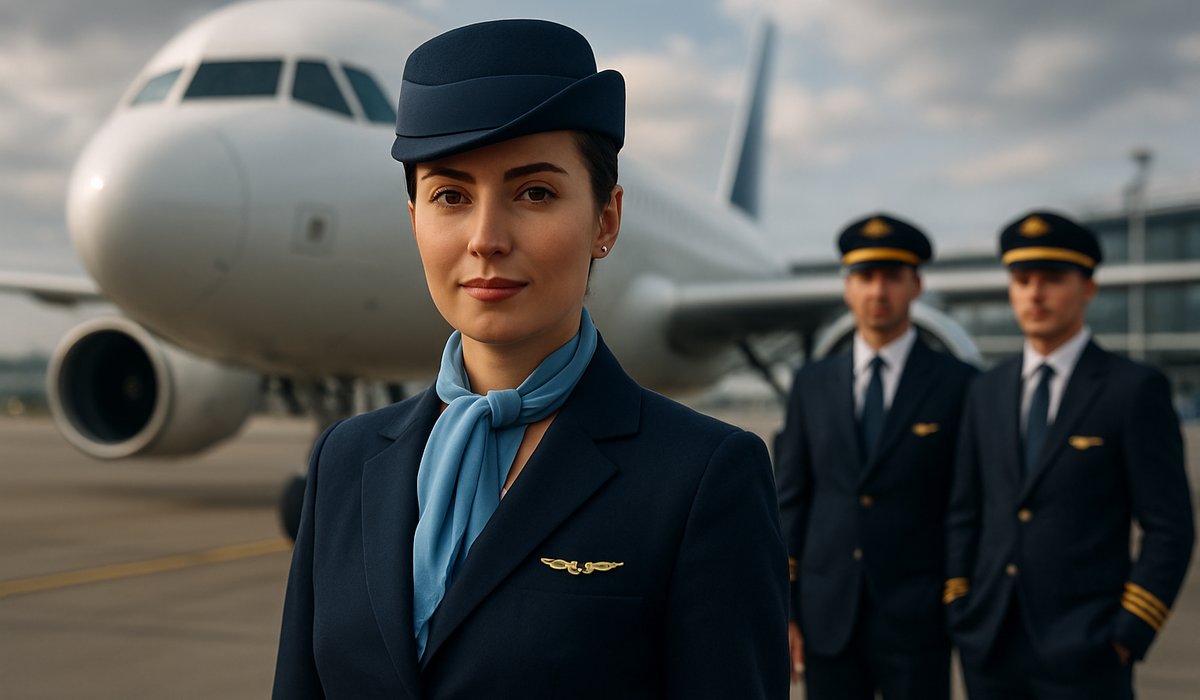
Image generated by AI
The Enduring Mystery of Flight Attendant Headwear: Why Airlines Maintain This Iconic Uniform Standard
Exploring the practical, historical, and branding reasons behind aviation's most recognizable dress code element
A Uniform That Commands Recognition
Walk through any airport terminal, and you'll instantly spot them—flight attendants in their crisp, tailored uniforms, often topped with a distinctive hat or fascinator. But this isn't merely fashion. The headwear that has become synonymous with cabin crew represents a fascinating intersection of operational necessity, brand identity, and professional standards that have evolved over nearly a century of commercial aviation.
Airlines worldwide continue to enforce strict grooming protocols, with headwear serving as a cornerstone of these requirements. The uniform itself functions as far more than clothing; it operates as a floating advertisement for the carrier, instantly recognizable across continents and cultures.
Practical Purpose Meets Professional Image
The origins of flight attendant headwear trace back to aviation's early days when cabin service required both formality and functionality. Hats—whether traditional pillbox styles, modern fascinators, or sleek caps—serve multiple purposes beyond aesthetics. They establish immediate authority and professionalism in a confined environment where passenger confidence directly impacts safety compliance and customer satisfaction.
From a branding perspective, these hats have become integral to airline identity. Major carriers invest significantly in uniform design, ensuring that every element—from fabric selection to hat styling—reflects their corporate image. Passengers often associate specific hat designs with particular airlines, reinforcing brand recognition and loyalty.
The Evolution of Standards
While aviation fashion has undergone significant modernization, grooming standards remain remarkably stringent. Airlines maintain detailed appearance requirements, including specifications for headwear placement, color coordination, and overall presentation. These standards reflect the industry's continued emphasis on projecting competence and reliability to passengers.
The uniformity of appearance serves a psychological function as well. Research in service industries demonstrates that standardized, professional dress codes—particularly those including distinctive headwear—enhance passenger perception of safety and service quality. When a flight attendant appears polished and uniform, it subconsciously reassures travelers that the airline maintains high operational standards.
Maintaining Tradition in Modern Aviation
Despite industry disruptions and changing workplace norms, most full-service carriers continue requiring hats or similar headpieces as non-negotiable uniform components. Budget airlines may employ more casual dress codes, but legacy carriers and premium operators view their iconic headwear as essential to their brand promise.
This persistence reflects aviation's unique culture—an industry where tradition and safety protocols often reinforce one another. The hat remains not simply a vestigial element but a deliberate statement about professionalism, attention to detail, and an airline's commitment to passenger experience.
FAQ: Understanding Flight Attendant Uniforms and Aviation Standards
Why do airlines require flight attendants to wear hats? Hats serve multiple functions: establishing professional authority, reinforcing brand identity, and signaling operational competence to passengers. They've remained standard despite evolving fashion trends.
Do all airlines require headwear in their flight attendant uniforms? No. Full-service and legacy carriers typically maintain strict hat requirements, while budget airlines often allow more casual appearance standards. Requirements vary significantly by carrier and regional operations.
How have flight attendant uniforms changed over time? While specific styles have modernized—from vintage pillbox hats to contemporary fascinators—the emphasis on formal, standardized appearance has remained constant. Grooming standards continue to exceed typical corporate dress codes.
What does uniform standardization communicate to passengers? Professional dress codes, including distinctive headwear, enhance passenger perception of airline safety and service quality. This psychological reinforcement directly impacts customer confidence and brand loyalty.
Are flight attendant grooming standards legally enforceable? Yes. Airlines establish detailed appearance requirements as employment conditions. However, standards must comply with anti-discrimination laws, leading to ongoing industry debates about fairness and inclusivity.
Related Travel Guides
Flight Delay Compensation Guide 2026
Understanding Airline Route Changes
Airport Security Process Updated (2026)
External Resources
Disclaimer
This article is for informational and educational purposes only. It does not constitute legal, financial, or professional advice. While we strive to provide accurate and up-to-date information, travel policies, regulations, and conditions change rapidly. Always verify information with official sources before making travel decisions. Nomad Lawyer makes no representations about the accuracy, reliability, completeness, or suitability of the information provided. Readers should consult qualified professionals for advice specific to their circumstances. The views expressed in this article are those of the author and do not necessarily reflect the views of Nomad Lawyer.
Preeti Gunjan
Contributor & Community Manager
A passionate traveller and community builder. Preeti helps grow the Nomad Lawyer community, fostering engagement and bringing the reader experience to life.
Learn more about our team →