
Boeing F-15EX Eagle II vs. Eurofighter Typhoon: Which Advanced Fighter Dominates Modern Air Superiority?
Breaking airline news and aviation industry updates for 2026.

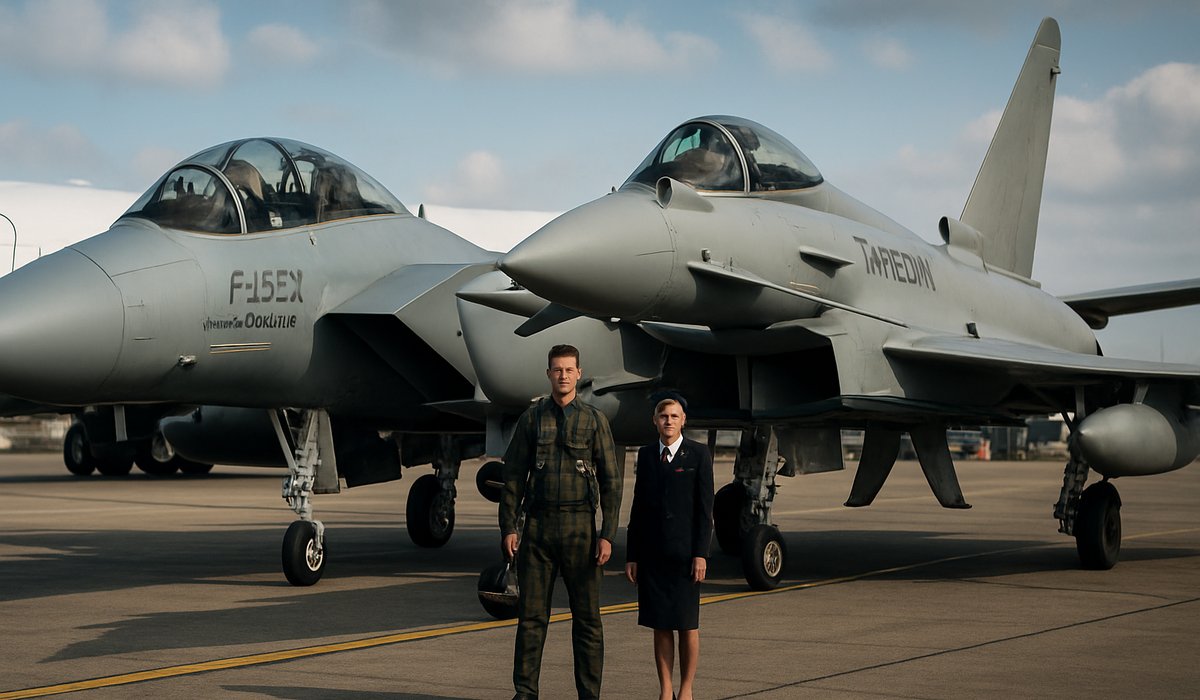
Image generated by AI
Boeing F-15EX Eagle II vs. Eurofighter Typhoon: Which Advanced Fighter Dominates Modern Air Superiority?
As global tensions escalate, two of the world's most sophisticated combat aircraft face unprecedented demand—here's how they compare
The Next Generation of Air Combat Takes Shape
The Boeing F-15EX Eagle II and the Eurofighter Typhoon represent the cutting edge of contemporary military aviation, with both platforms commanding respect across NATO and allied air forces worldwide. As geopolitical rivalries intensify and defense budgets expand, these two formidable fighters are poised to remain operational fixtures for decades, fundamentally shaping air dominance strategies across continents.
Technological Capabilities and Combat Performance
The F-15EX Eagle II, Boeing's latest iteration of its legendary Eagle platform, brings enhanced avionics, expanded payload capacity, and improved fuel efficiency compared to its predecessors. The aircraft boasts advanced radar systems and can carry a broader array of modern weaponry, positioning it as a multi-role platform capable of addressing diverse operational scenarios.
The Eurofighter Typhoon, developed through a collaborative European defense initiative, counters with its own sophisticated sensor fusion architecture and exceptional maneuverability characteristics. Designed specifically for air-to-air engagement superiority, the Typhoon has demonstrated consistent performance across multiple theater operations and remains a cornerstone of European air defense infrastructure.
Operational Range, Payload, and Strategic Value
Both aircraft excel in different operational domains. The F-15EX emphasizes extended range capabilities and substantial payload flexibility, enabling operators to project air power across greater distances. Its upgraded engines and refined aerodynamic design contribute to superior fuel economy—a critical factor as aviation costs continue rising amid volatile global energy markets.
The Eurofighter Typhoon prioritizes agility and rapid response capabilities, making it ideally suited for air interception missions and continental defense roles. Its radar and combat systems have undergone continuous modernization, ensuring relevance against evolving threats.
Long-Term Service and Future Procurement
Military aviation analysts project both aircraft will serve their respective operators through 2050 and beyond. The F-15EX has secured substantial international interest, with multiple allied nations evaluating procurement options. Meanwhile, the Eurofighter consortium continues implementing mid-life upgrades to extend operational viability and enhance combat effectiveness.
Current geopolitical conditions—marked by heightened great-power competition and regional security concerns—have accelerated defense spending globally. These developments virtually guarantee sustained demand for both platforms, ensuring manufacturing continuity and technological advancement across the sector.
FAQ: F-15EX Eagle II and Eurofighter Typhoon Comparison
How does the F-15EX Eagle II compare to the Eurofighter Typhoon in air combat? The F-15EX emphasizes payload capacity and extended range, while the Eurofighter Typhoon prioritizes agility and rapid interception capabilities. Each excels in different operational scenarios.
Which fighter aircraft has better radar and sensor systems? Both platforms feature advanced radar technology. The F-15EX uses cutting-edge American avionics, while the Eurofighter employs sophisticated European sensor fusion systems. Capabilities vary based on specific mission requirements.
How long will the F-15EX and Eurofighter remain in service? Defense analysts project both aircraft will remain operational through 2050 and potentially beyond, with ongoing modernization programs ensuring continued relevance.
Why are nations choosing between F-15EX and Eurofighter? Selection depends on operational doctrine, defense budgets, interoperability requirements, and geopolitical alliances. The F-15EX attracts NATO allies, while the Eurofighter remains central to European defense strategies.
What is driving increased demand for advanced fighter aircraft? Rising global tensions, regional security concerns, and modernization of aging fleets are accelerating defense procurement cycles worldwide.
Related Travel Guides
Flight Delay Compensation Guide 2026
Understanding Airline Route Changes
Airport Security Process Updated (2026)
External Resources
Disclaimer
This article is for informational and educational purposes only. It does not constitute legal, financial, or professional advice. While we strive to provide accurate and up-to-date information, travel policies, regulations, and conditions change rapidly. Always verify information with official sources before making travel decisions. Nomad Lawyer makes no representations about the accuracy, reliability, completeness, or suitability of the information provided. Readers should consult qualified professionals for advice specific to their circumstances. The views expressed in this article are those of the author and do not necessarily reflect the views of Nomad Lawyer.
Raushan Kumar
Founder & Lead Developer
Full-stack developer with 11+ years of experience and a passionate traveller. Raushan built Nomad Lawyer from the ground up with a vision to create the best travel and law experience on the web.
Learn more about our team →