
China's Major Airlines Face Mounting Pressures as Regional Competitors Surge Ahead
Breaking airline news and aviation industry updates for 2026.

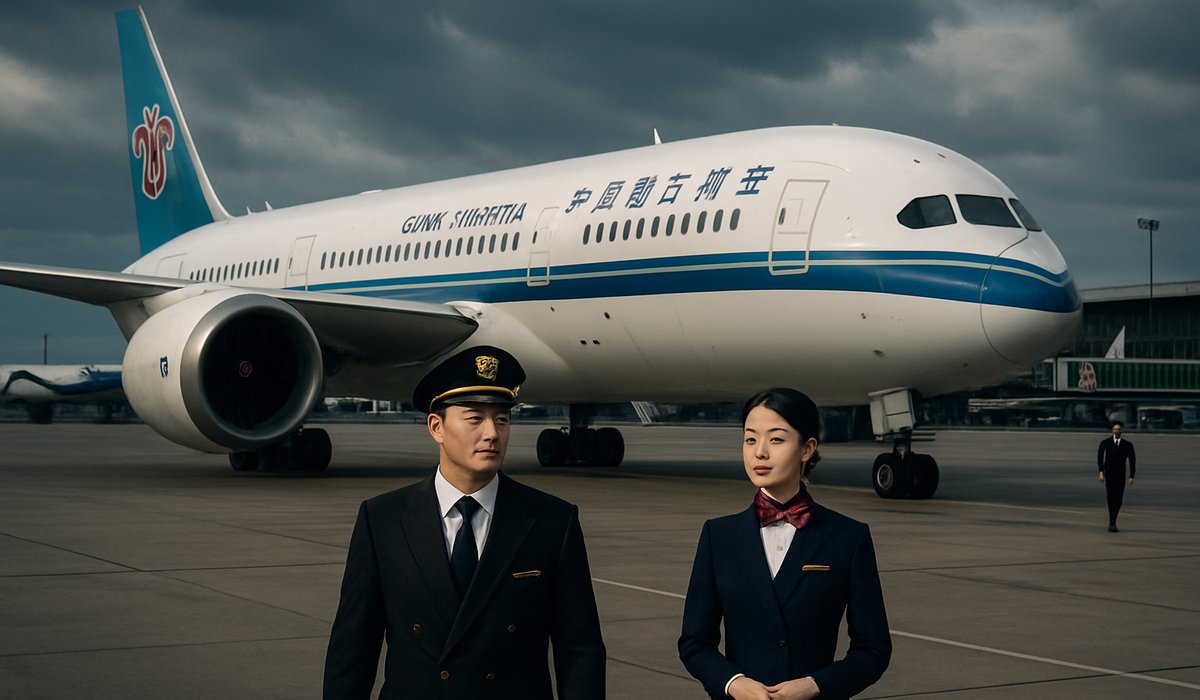
Image generated by AI
China's Major Airlines Face Mounting Pressures as Regional Competitors Surge Ahead
Structural challenges and geopolitical headwinds threaten recovery prospects for Beijing, Shanghai, and Guangzhou carriers
The Widening Gap in Asia's Aviation Market
China's three dominant carriers—Air China, China Eastern Airlines, and China Southern Airlines—are falling behind their regional counterparts at a critical moment for Asia-Pacific aviation recovery. While Southeast Asian and Northeast Asian competitors capitalize on soaring premium travel demand and business-class expansion, the mainland's aviation giants remain trapped in a cycle of underperformance that has now stretched across six consecutive years.
The disparity underscores fundamental structural challenges facing an industry that once symbolized China's economic ascendancy. As global travel demand rebounds sharply, these carriers are conspicuously absent from the competitive gains reshaping regional aviation markets.
Structural Vulnerabilities Deepening the Crisis
The "Big Three" confront a constellation of interconnected problems. Most critically, the loss of lucrative North American routes has decimated their long-haul revenue streams—routes that traditionally generate the highest profit margins for international carriers. This geographic isolation comes precisely when competitors across Japan, South Korea, and ASEAN nations are aggressively expanding transatlantic and transpacific capacity.
Fleet modernization represents another acute vulnerability. Aging aircraft configurations limit competitive positioning on premium routes and inflate operational costs through higher fuel consumption and maintenance expenses. With jet fuel prices fluctuating amid geopolitical tensions and global energy market volatility, carriers operating less efficient aircraft face proportionally steeper profitability pressures than better-equipped rivals.
Domestic competition has simultaneously intensified, fragmenting market share among an expanding roster of low-cost and regional carriers competing for China's substantial domestic traffic base.
Geopolitical Headwinds and Economic Uncertainty
Diplomatic tensions continue reshaping aviation routes and access agreements, further constraining the recovery pathways available to Chinese carriers. Bilateral air service negotiations remain complicated by broader strategic rivalries, limiting new route opportunities that competitors from allied nations more readily obtain.
Rising fuel costs compound these institutional challenges, eroding margins on routes where Chinese carriers cannot command premium pricing power comparable to their better-positioned neighbors.
Looking Forward: Recovery or Competitive Decline?
Industry analysts debate whether structural reforms and fleet investment can reverse the six-year decline before competitive gaps become insurmountable. The window for decisive action appears to be narrowing as competitors consolidate advantages across premium segments and long-haul networks.
FAQ: Understanding China's Airline Industry Challenges
Q: Why have Chinese airlines lost so many international routes? A: Geopolitical tensions, diplomatic disagreements, and bilateral aviation restrictions have limited route expansion compared to competitors. The loss of North American service particularly impacted revenue.
Q: How do rising jet fuel prices affect Chinese carriers differently? A: Older, less fuel-efficient fleets mean Chinese airlines absorb proportionally higher costs when global fuel prices spike, reducing profitability margins.
Q: Are baggage fees and airline charges contributing to the problem? A: While ancillary revenue (baggage charges, seat selection fees) helps offset losses, Chinese carriers lag competitors in premium service pricing strategies.
Q: Which Asian airlines are outperforming China's carriers? A: Japanese, South Korean, and Southeast Asian carriers are capturing larger shares of premium long-haul demand and regional growth.
Q: Can fleet modernization alone solve these problems? A: Aircraft investment is necessary but insufficient—carriers need route recovery, competitive pricing strategies, and geopolitical resolution to achieve full recovery.
Related Travel Guides
Flight Delay Compensation Guide 2026
Understanding Airline Route Changes
Airport Security Process Updated (2026)
External Resources
Disclaimer
This article is for informational and educational purposes only. It does not constitute legal, financial, or professional advice. While we strive to provide accurate and up-to-date information, travel policies, regulations, and conditions change rapidly. Always verify information with official sources before making travel decisions. Nomad Lawyer makes no representations about the accuracy, reliability, completeness, or suitability of the information provided. Readers should consult qualified professionals for advice specific to their circumstances. The views expressed in this article are those of the author and do not necessarily reflect the views of Nomad Lawyer.
Kunal K Choudhary
Co-Founder & Contributor
A passionate traveller and tech enthusiast. Kunal contributes to the vision and growth of Nomad Lawyer, bringing fresh perspectives and driving the community forward.
Learn more about our team →