
Massive Travel Chaos at Washington Dulles: 82 Flight Delays and 11 Cancellations Trigger Network-Wide Disruptions Across Key Routes to London, Toronto, and Los Angeles
Washington Dulles International Airport hit by 82 flight delays and 11 cancellations on May 7, 2026, disrupting United, American, Delta and key routes to London, Toronto, and Los Angeles.

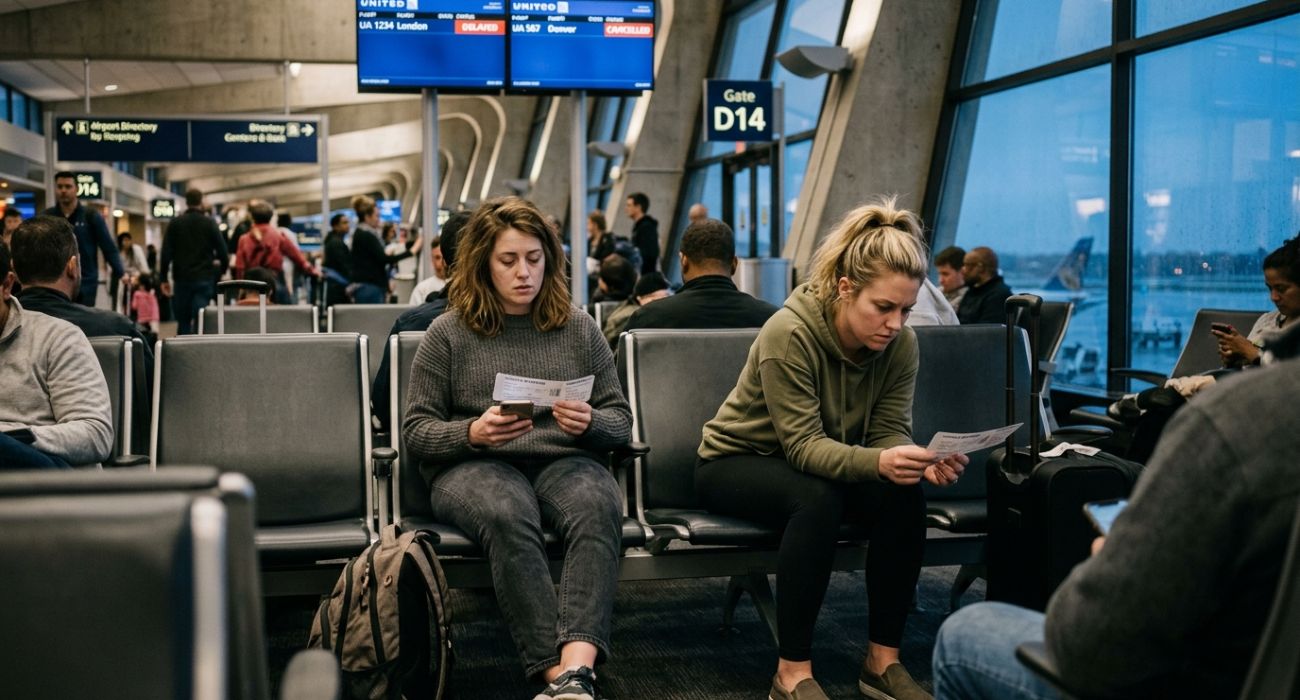
Image generated by AI
Massive Travel Chaos at Washington Dulles: 82 Flight Delays and 11 Cancellations Trigger Network-Wide Disruptions Across Key Routes to London, Toronto, and Los Angeles
Operational Instability at Major US Aviation Hub Leaves Thousands of Passengers Stranded
WASHINGTON, D.C. — A significant wave of operational disruption struck Washington Dulles International Airport (IAD) on May 7, 2026, as a combination of volatile weather and airspace congestion paralyzed much of the airport's flight schedule. The airport recorded a staggering 82 flight delays and 11 cancellations, sending shockwaves through the interconnected United States aviation network and impacting critical international and domestic corridors.
The disruption, which centered on the nation's capital, has created a "ripple effect" that extends far beyond the Dulles terminals, threatening the stability of flight rotations for major carriers including United Airlines, American Airlines, and Delta Air Lines and affecting vital routes to New York, Chicago, Toronto, London, Atlanta, and Los Angeles.
An Expanded Overview of the Crisis
The chaos at Washington Dulles was not merely a localized event but a symptom of broader atmospheric and operational instability. According to reports from the Federal Aviation Administration (FAA), unstable weather patterns characterized by rapidly shifting wind conditions and atmospheric instability moved through the Washington D.C. region, forcing air traffic controllers to implement stringent traffic management measures.
The scale of the impact was immediately visible within the airport terminals. As the FAA issued advisories for slower arrival and departure traffic, the airport's efficiency plummeted. The disruption primarily manifested through:
- Extended Taxi Times: Aircraft faced significant delays moving between gates and runways.
- Airborne Holding Patterns: Incoming flights were forced into circling patterns, consuming fuel and causing subsequent delay cascades.
- Reduced Capacity: Tightened management protocols effectively lowered the number of aircraft the airport could safely process per hour.
The Mechanics of the "Ripple Effect"
Aviation analysts emphasize that Washington Dulles operates as a critical node in a highly interconnected global and domestic system. Because modern airline operations rely on "aircraft rotations"—where a single plane flies multiple legs a day—a delay in a morning flight from Dulles to Chicago can lead to a cancelled evening flight from London to Dulles.
This systemic vulnerability was on full display as major carriers struggled to maintain crew availability and aircraft positioning. The disruption at Dulles effectively "exported" chaos to other major hubs, as delayed aircraft failed to arrive at their next destinations on schedule, creating a domino effect across the US National Airspace System.
Impact on Global and Domestic Connectivity
The strategic importance of Washington Dulles as an international gateway means the implications of today's disruptions are felt globally. The routes most severely impacted include:
- Transatlantic Corridors: Connections to London were heavily disrupted, affecting travelers attempting to bridge the US and European markets.
- North American Links: Critical short-haul and medium-haul routes to Toronto, New York, and Chicago saw significant scheduling shifts.
- Domestic Arteries: Flights to major US hubs such as Atlanta and Los Angeles faced substantial delays, impacting business travelers and domestic tourists alike.
The Human Toll: Passenger and Infrastructure Strain
Beyond the technical data, the disruption imposed a heavy emotional and logistical burden on travelers. Inside the terminals, the scene was one of growing frustration. Families traveling with children and international tourists, often managing complex multi-leg itineraries, found themselves caught in a cycle of uncertainty.
The strain extended to the airport's essential support services. Long queues formed at customer service counters as passengers scrambled for rebooking options. The shortage of available seats on alternative departures meant that for many, the only option was to wait hours, or even overnight, in crowded terminal areas. Furthermore, the disruption bled into baggage handling services and airport concessions, as the sheer volume of stranded passengers overwhelmed existing infrastructure.
Industry Analysis: A Warning for the Travel Season
Aviation experts warn that this incident is a precursor to the challenges expected during the upcoming peak spring and summer travel seasons. As passenger demand continues to climb, the US aviation infrastructure is facing a "perfect storm" of weather volatility, aging air traffic management systems, and the inherent fragility of tightly scheduled networks.
The FAA has previously highlighted that weather remains the most significant unpredictable variable in the National Airspace System. When thunderstorms, gusty winds, and low visibility coincide with high-density traffic, the system's ability to absorb delays is severely compromised.
Looking Ahead: What Happens Next?
As airline crews and airport personnel work tirelessly to stabilize flight schedules and reposition aircraft, the immediate focus remains on clearing the backlog of delayed flights. However, the long-term outlook remains cautious.
Possible Scenarios:
- Stabilization: If weather patterns remain predictable, airlines may be able to reset their rotations within 24 to 48 hours.
- Extended Disruption: Continued atmospheric volatility in the Mid-Atlantic region could lead to a multi-day backlog, impacting flight schedules as far away as the West Coast and Europe.
For travelers, the current advice remains to monitor flight status closely and allow for significant buffer time when navigating connections through the Washington D.C. metro area.
Related Travel Guides
Disclaimer
This article is for informational and educational purposes only. It does not constitute legal, financial, or professional advice. While we strive to provide accurate and up-to-date information, travel policies, regulations, and conditions change rapidly. Always verify information with official sources before making travel decisions. Nomad Lawyer makes no representations about the accuracy, reliability, completeness, or suitability of the information provided. Readers should consult qualified professionals for advice specific to their circumstances. The views expressed in this article are those of the author and do not necessarily reflect the views of Nomad Lawyer.
Kunal K Choudhary
Co-Founder & Contributor
A passionate traveller and tech enthusiast. Kunal contributes to the vision and growth of Nomad Lawyer, bringing fresh perspectives and driving the community forward.
Learn more about our team →