
New York and California Challenge Offshore Wind Rollbacks: Coastal Energy and Maritime Travel Guide 2026

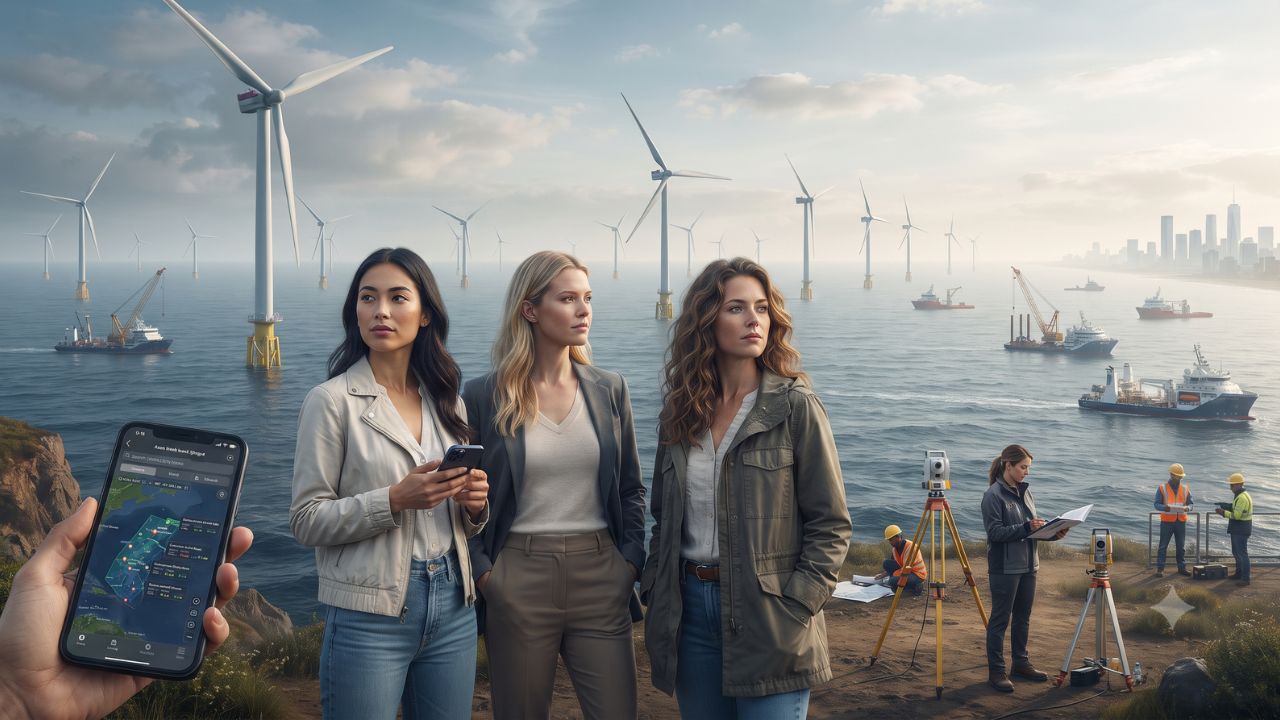
While billions of taxpayer dollars are being directed into federal lease buyback agreements to dismantle already-approved ocean turbine projects, coastal states are drawing a legal line in the sand to defend their clean power future. From the rugged marine sanctuaries of California’s Central Coast to the maritime shipping lanes off Long Island and New York Harbor, the battle over offshore wind is redefining how America balances energy independence, ocean conservation, and seaside tourism.
The legal clash led by California and New York challenges federal decisions to cancel competitive lease agreements and compensate energy developers for abandoning fully permitted offshore wind installations. These state-level lawsuits highlight a profound divergence in national infrastructure policy: whether federal authorities can reverse multi-year environmental reviews through financial buyouts, or whether states hold the legal authority to preserve clean power grids designed to power millions of coastal homes.
The Multi-Billion Dollar Dispute Over America's Oceanic Power Grid
The core of the legal dispute rests on financial commitments worth billions of dollars intended to compensate private developers for walking away from active marine energy leases on both the Atlantic and Pacific coastlines. Attorneys general in New York and California argue that using public treasury funds to stop approved clean energy projects creates severe financial consequences for households, strains regional electricity grids, and stalls state mandates for carbon reduction.
According to filings with the Bureau of Ocean Energy Management, offshore wind leases represent years of intensive marine spatial planning, underwater acoustic testing, and environmental impact assessments. State regulators emphasize that cancelling these projects leaves regional economies vulnerable to fossil fuel price spikes and power supply deficits just as electricity demand surges from electric vehicle adoption, population expansion, and industrial modernization.
By initiating formal court challenges, coastal states seek to protect clean energy investments that have already received extensive state and local environmental clearance. The outcome of these proceedings will set a national precedent regarding whether approved renewable developments can be cancelled retroactively through federal buyouts or if states maintain enforceable rights to build clean marine power systems.
What Makes East and West Coast Marine Corridors Distinct
Offshore wind infrastructure is not uniform; it differs dramatically between the Atlantic and Pacific marine environments, shaping how each coast approaches ocean stewardship.
On the Atlantic seaboard, New York’s continental shelf features relatively shallow waters that allow fixed-bottom turbine foundations anchored directly into the seabed. Projects planned off the shores of Long Island and the New York Bight are designed to feed massive quantities of electricity directly into metropolitan load centers. These projects integrate with regional maritime traditions, balancing shipping routes into New York Harbor, commercial fishing grounds, and popular recreational boating channels.
Conversely, the Pacific coast along California drops off rapidly into deep oceanic trenches, requiring floating wind turbine platforms tethered to the seabed by flexible mooring lines. Regions such as Morro Bay and Humboldt Bay pioneer floating offshore technology engineered to withstand powerful Pacific swells while operating beyond the sightlines of pristine coastal beaches. Information provided by the California Energy Commission indicates that these deep-water installations are central to meeting the state's zero-carbon electricity goals without consuming valuable terrestrial farmland or coastal open spaces.
Both marine regions share a common ecological priority: coexisting with rich marine biodiversity. Coastal planning frameworks require turbine locations to respect migratory corridors for humpback whales, sea turtles, and pelagic bird colonies, showing that clean energy generation and wildlife preservation can share oceanic zones through careful monitoring.
Visitor Insider Tips
Travelers exploring the iconic coastlines of New York and California can witness firsthand how maritime heritage, clean technology, and coastal recreation interact.
- Montauk and Long Island Marine Vantage Points: When visiting eastern Long Island, head to Camp Hero State Park or Montauk Point Lighthouse during early morning hours. These high bluffs provide panoramic ocean views where offshore monitoring vessels and seasonal whale migrations share the horizon.
- Morro Bay and Central Coast Wildlife Excursions: Travelers along California’s Highway 1 can book certified eco-boat excursions departing Morro Bay harbor. Early morning departures between 7:30 AM and 9:00 AM offer the calmest seas for observing southern sea otters, harbor seals, and migrating gray whales.
- Ferry Transit as Scenic Observation: Utilize public coastal ferries, such as the NYC Ferry routes connecting Manhattan, Brooklyn, and the Rockaways, to experience working waterfronts and understand how harbor infrastructure powers surrounding communities.
- Seaside Etiquette and Conservation: When walking along sensitive dune ecosystems or coastal bluffs, remain strictly on marked boardwalks and public trails. Marine sanctuary regulations prohibit drones within protected wildlife zones along both coasts.
- Regional Seafood Dining: Support local coastal fishing cooperatives by dining at dockside markets in Montauk, Morro Bay, or Eureka that source sustainable, day-boat catches caught under strict state fishery guidelines.
Cultural and Environmental Context
The transition toward offshore energy is deeply intertwined with the cultural fabric of coastal communities. For generations, working harbors along the Atlantic and Pacific have relied on commercial fishing, shipbuilding, and seasonal tourism. Introducing clean energy operations offers economic revitalization for historic ports, providing year-round maritime employment for vessel operators, marine technicians, and harbor engineers.
At the same time, environmental organizations, tribal nations, and local municipalities advocate for rigorous ecological oversight. Comprehensive research coordinated through the U.S. Department of Energy focuses on understanding underwater sound profiles, marine mammal migration patterns, and ocean floor habitat preservation. Ensuring open dialogue between state agencies, indigenous communities, and local fishermen remains essential to maintaining healthy marine environments while transitioning to renewable power.
FAQ: Coastal Energy and Travel in New York and California 2026
Will offshore wind projects be visible from popular tourist beaches?
Most commercial offshore wind developments are planned fifteen to thirty miles off the coast, making them virtually invisible or barely perceptible as tiny specks on clear horizons from shoreline beaches.
How does clean marine energy impact coastal wildlife tourism?
Offshore lease agreements require strict environmental buffers, vessel speed limits, and acoustic monitoring to protect whale migration routes, dolphin pods, and seabird populations during all marine activities.
What are the best locations to learn about coastal energy innovation?
Visitors can explore maritime museums and educational centers along the coast, including the South Street Seaport Museum in New York and coastal marine discovery centers around Morro Bay and Monterey.
Can recreational boaters navigate near offshore energy development zones?
Standard maritime navigation regulations apply. Recreational and commercial vessels can transit surrounding waters, observing standard navigational safety zones established by the U.S. Coast Guard.
As state courts deliberate the fate of ocean power, America's coastlines stand as living proof that preserving natural beauty and building sustainable infrastructure are part of the same horizon.
Related Travel Guides
Disclaimer
This article is for informational and educational purposes only. It does not constitute legal, financial, or professional advice. While we strive to provide accurate and up-to-date information, travel policies, regulations, and conditions change rapidly. Always verify information with official sources before making travel decisions. Nomad Lawyer makes no representations about the accuracy, reliability, completeness, or suitability of the information provided. Readers should consult qualified professionals for advice specific to their circumstances. The views expressed in this article are those of the author and do not necessarily reflect the views of Nomad Lawyer.
Kunal K Choudhary
Co-Founder & Contributor
A passionate traveller and tech enthusiast. Kunal contributes to the vision and growth of Nomad Lawyer, bringing fresh perspectives and driving the community forward.
Learn more about our team →