
Virginia Small City Emerges as Senior-Friendly Retirement Destination
A historic Virginia small city in the Shenandoah Valley is gaining traction as a premier retirement destination in 2026, offering walkable streets, antique shops, and colonial heritage sites that appeal to active seniors seeking cultural immersion.

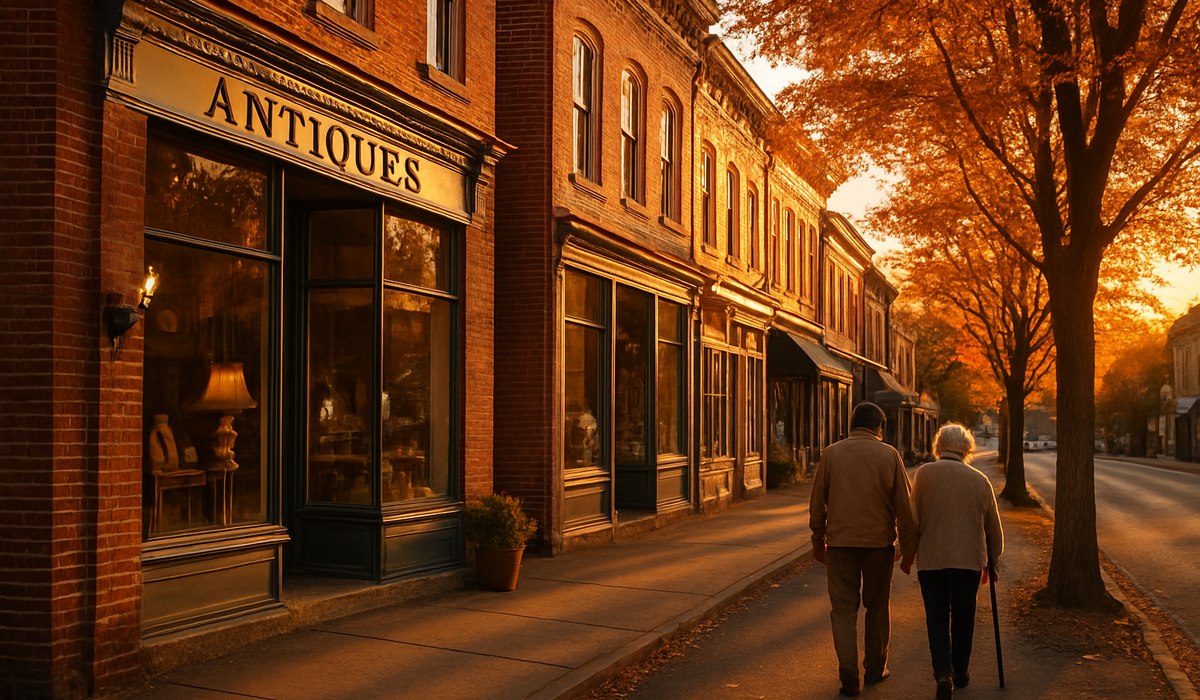
Image generated by AI
Historic Virginia Town Redefines Retirement Travel for Active Seniors
A charming Virginia small city nestled within the scenic Shenandoah Valley is rapidly gaining recognition as an unexpected retirement hotspot that seamlessly blends colonial heritage, walkable neighborhoods, and thriving antique markets. Travel analysts report that retirees seeking alternatives to traditional retirement communities are discovering this historic destination offers an ideal combination of cultural amenities, accessibility features, and year-round activities. The town's appeal centers on its Revolutionary War significance, pedestrian-friendly downtown layout, and vibrant local merchant scene—creating an environment where seniors can remain engaged without sacrificing quality of life or safety.
Why Retirees Are Choosing This Virginia Small City
The migration of active seniors toward this Virginia small city reflects a broader travel trend: older Americans increasingly prioritize experiential relocation over passive retirement living. The town's walkable design eliminates driving dependency, a critical factor for aging populations transitioning away from vehicle-centric lifestyles.
Accessibility stands as a defining advantage. Flat downtown streets, sidewalk infrastructure, and proximity of shops, restaurants, and cultural venues mean daily errands require minimal exertion. Healthcare facilities nearby provide peace of mind, while community centers offer senior programming without the institutional feel of age-restricted developments. The cost of living remains substantially lower than comparable northeast urban centers, extending retirement savings further.
Beyond logistics, the cultural environment attracts intellectually curious retirees. Revolutionary War battlefields, early American architecture, and ongoing historical preservation projects transform daily life into continuous learning opportunities. Local civic organizations actively welcome newcomers through volunteer programs, genealogy clubs, and heritage societies. For more information on retirement relocation trends, consult resources from the American Association of Retired Persons (AARP).
Walking Tours and Historic Sites Worth Exploring
This Virginia small city's compact geography makes self-guided walking tours feasible for most fitness levels. Primary heritage districts span roughly four blocks, manageable for seniors using mobility aids or taking frequent rest breaks.
Key historic sites include multiple properties dating to the 1700s, several maintained by the National Park Service and state heritage foundations. Walking tour routes typically require two to three hours and incorporate benches, shaded areas, and interpretive markers explaining Revolutionary War events and architectural styles. The Shenandoah Valley location places additional natural attractions within short driving distances, including mountain overlooks and managed hiking trails with accessibility accommodations.
Local tourism boards offer downloadable walking maps emphasizing accessibility features—parking locations, restroom facilities, and elevation changes. Guided tour companies frequently accommodate mobility concerns and provide detailed historical narration. Many tours operate year-round, though spring through fall presents optimal weather conditions.
For comprehensive trail and facility information, review the National Park Service Shenandoah Valley Heritage Resource Guide.
Antique Shopping and Local Culture Define the Visitor Experience
The antique retail scene represents a defining characteristic distinguishing this Virginia small city from generic retirement communities. Downtown merchant blocks host approximately fifteen to twenty antique dealers, vintage furniture shops, and collectible specialists concentrated within walking distance.
Antique shopping appeals to retirees for multiple reasons: treasure hunting provides cognitive engagement, pricing remains reasonable compared to coastal metropolitan markets, and antique dealers often specialize in era-specific merchandise (mid-century furniture, Victorian textiles, Civil War memorabilia) matching seniors' nostalgic interests. Community events like First Friday art walks and seasonal heritage festivals integrate shopping, dining, and cultural programming into social calendars.
Local artisan galleries showcase Shenandoah Valley artists, supporting the region's creative economy. Farm-to-table restaurants cluster near downtown, featuring menus emphasizing locally-sourced ingredients and regional cuisine traditions. This ecosystem encourages repeat visits and extended stays beyond typical weekend getaways.
The merchant community actively cultivates senior-friendly initiatives: extended shopping hours, assisted browsing services, and dedicated parking zones acknowledge mobility considerations. This hospitality philosophy extends throughout the town's hospitality sector.
Getting There and Where to Stay
The Virginia small city benefits from strategic positioning within the mid-Atlantic corridor, accessible via major interstate highways and regional airports. Washington Dulles International Airport, approximately ninety minutes northeast, offers direct flights from most major U.S. cities. Richmond International Airport provides an alternative southern access point.
Ground transportation options suit varied senior preferences: rental car agencies operate near airports; ride-sharing services cover the valley; coach tour operators offer package trips from neighboring states. The Amtrak Northeast Regional connects Washington D.C. to regional stations, appealing to train-travel enthusiasts avoiding highways.
Accommodations range from historic bed-and-breakfast establishments (many housed in period-appropriate buildings) to modern hotel chains offering accessibility certifications. The Virginia Travel Association maintains comprehensive lodging directories emphasizing senior-friendly properties. Short-term rental platforms increasingly feature accessible apartments and cottages, enabling month-long exploratory stays preceding permanent relocation decisions.
For transportation planning, reference the Virginia Tourism Corporation's accessibility resources.
Key Data Table: Virginia Small City Senior Travel Profile
| Criteria | Specifics |
|---|---|
| Shenandoah Valley Location | Central position, 90 minutes from Washington D.C., accessible by multiple transportation modes |
| Walkability Score | Downtown district covers approximately four blocks, flat terrain, sidewalk infrastructure throughout |
| Antique Retail Venues | 15-20 antique dealers, vintage shops, and collectible specialists within downtown walking district |
| Historic Sites | Multiple Revolutionary War properties, National Park Service designated heritage areas, state-maintained battlefields |
| Senior-Friendly Amenities | Healthcare facilities, community centers, volunteer organizations, genealogy clubs, accessible parking |
| Cost of Living | 25-35% below comparable northeast urban centers; housing, dining, and retail pricing reasonable for retirees |
| Transportation Access | Regional airport 90 minutes away, Amtrak rail service, interstate highway access, ride-sharing availability |
| Average Daily Temperatures | Spring 55-65°F; Summer 75-82°F; Fall 50-65°F; Winter 35-45°F; mild four-season climate beneficial for active seniors |
What This Means for Travelers
Retirees and active seniors evaluating relocation options should consider this Virginia small city as a viable alternative to traditional retirement communities and coastal destinations. Here are actionable takeaways:
1. Schedule exploratory visits during shoulder seasons (April-May, September-October) when weather remains pleasant, crowds thin, and local businesses offer trial accommodations. Many properties provide discounted weekly rates for extended stays, enabling realistic lifestyle assessment before permanent commitment.
2. Connect with local organizations immediately upon arrival. Genealogy societies, volunteer councils, and heritage preservation boards actively recruit newcomers and provide rapid social integration. These groups often host weekly meetings and seasonal events introducing visitors to permanent residents and community culture.
3. Evaluate healthcare accessibility comprehensively. Tour nearby medical facilities, meet primary care physicians, and confirm specialty services availability before relocation decisions. Insurance coverage verification prevents unexpected financial complications.
4. Participate in walking tours and heritage programming. Experienced guides reveal historical narratives, architectural details, and community stories that written resources miss. Tours simultaneously assess personal mobility levels in realistic conditions.
5. Investigate rental market dynamics. Permanent housing affordability depends on market timing, property condition, and seasonal fluctuations. Extended trial periods through rental properties clarify long-term financial planning requirements.
Frequently Asked Questions
Q: Is this Virginia small city accessible for seniors with mobility limitations?
A: Yes. Downtown districts feature flat terrain, sidewalk infrastructure, accessible parking, and rest areas. Most cultural venues comply with Americans with Disabilities Act standards. However, verify specific accessibility requirements for individual properties before visiting, as historic buildings occasionally present architectural challenges.
**Q:
Disclaimer
This article is for informational and educational purposes only. It does not constitute legal, financial, or professional advice. While we strive to provide accurate and up-to-date information, travel policies, regulations, and conditions change rapidly. Always verify information with official sources before making travel decisions. Nomad Lawyer makes no representations about the accuracy, reliability, completeness, or suitability of the information provided. Readers should consult qualified professionals for advice specific to their circumstances. The views expressed in this article are those of the author and do not necessarily reflect the views of Nomad Lawyer.
Raushan Kumar
Founder & Lead Developer
Full-stack developer with 11+ years of experience and a passionate traveller. Raushan built Nomad Lawyer from the ground up with a vision to create the best travel and law experience on the web.
Learn more about our team →