
Vilnius: Europe's Second-Greenest City Emerges as 2026 Must-Visit Cultural Escape
Discover Vilnius, Europe's second-greenest city with 50% green space and European Green Capital 2025 status. Experience summer 2026 cultural festivals, forest-integrated urban living, and sustainable tourism. Lithuania's capital redefines eco-conscious travel.

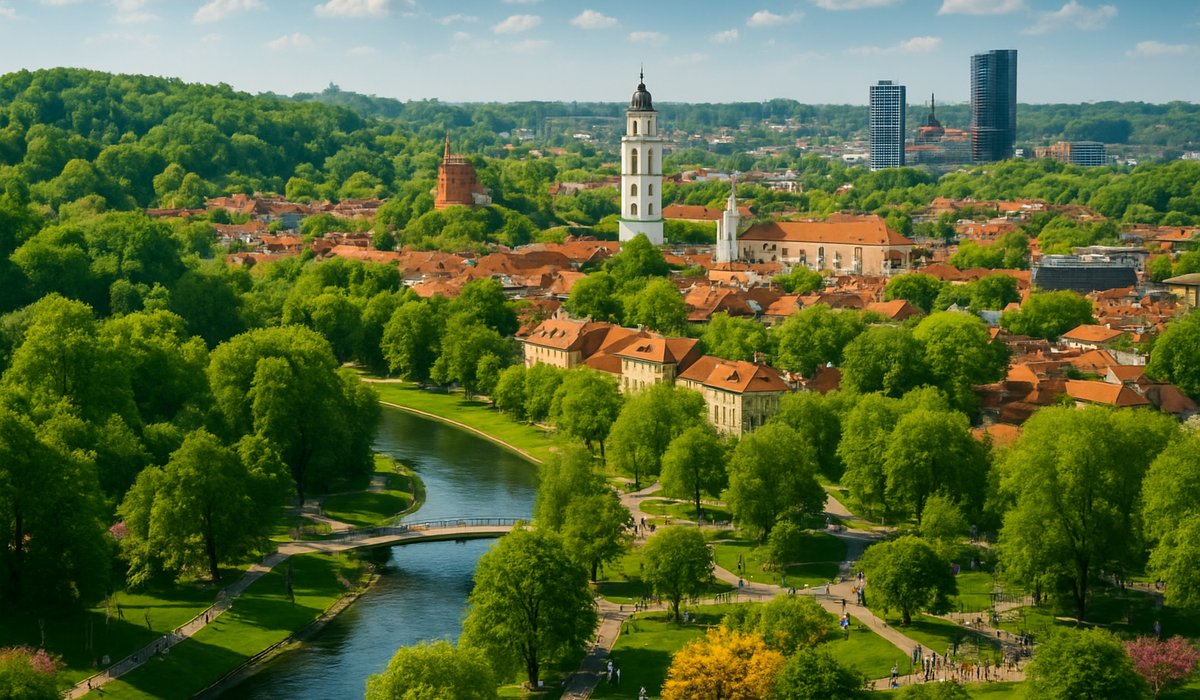
Image generated by AI
Quick Summary
- Green Capital Recognition: Vilnius ranks as Europe's second-greenest city (after Oslo) with 50%+ green space coverage—named European Green Capital 2025
- Summer 2026 Festivals: New Baltic Dance, Open House Vilnius, Vilnius Mama Jazz, Half Marathon, Pink Soup Fest, Culture Night, and Youth Song Festival
- Nature-Integrated City: Seamless blend of forests, gardens, urban living—"city in a forest" offers forest bathing and wellness activities within minutes
- Sustainable Gateway: Efficient EU entry procedures, compact walkable layout, strong regional connectivity positioning Vilnius as Europe's easiest eco-destination
- Wellness Tourism: Cycling, kayaking, green corridors throughout city supporting slow travel and holistic wellness experiences
Vilnius Emerges as Europe's Eco-Tourism Leader
Vilnius, Lithuania's capital, is quietly revolutionizing what sustainable urban travel means—and global travelers are taking notice. During summer 2026, this unassuming Baltic metropolis combines its groundbreaking environmental credentials with world-class cultural programming, drawing eco-conscious travelers seeking authentic experiences without environmental compromise. Named European Green Capital for 2025, Vilnius represents the rare convergence of ecological responsibility, cultural richness, and travel accessibility that defines the future of European tourism.
The city's credentials speak powerfully. Vilnius ranks as Europe's second-greenest city globally—surpassed only by Oslo—with over half its total area dedicated to green space. Forest coverage, parks, waterways, and sustainable green corridors dominate the urban landscape. This isn't incidental geography; it reflects deliberate urban planning prioritizing environmental integration over concrete expansion.
Understanding Vilnius' Green Urban Infrastructure
Vilnius' greenness reflects decades of intentional urban design prioritizing ecosystem preservation within metropolitan development.
The city truly earns its description as a "forest city." Unlike typical European capitals requiring travel to suburban regions for nature experiences, Vilnius embedding forests directly within urban zones. Walking from historic Old Town streets, visitors reach wooded areas within minutes. This accessibility transforms how residents and tourists experience nature—it becomes integrated into daily movement rather than separate leisure activity.
Green Space Integration
The extensive green coverage creates practical benefits beyond aesthetics. Forest corridors throughout the city clean air naturally, reducing pollution compared to concrete-dominated capitals. Parks interconnect through strategic pathways, creating continuous accessible green networks. Rivers and water features supplement terrestrial green space, adding biodiversity and creating recreational opportunities.
Urban planners deliberately designed this integration. Green corridors encourage sustainable mobility—cycling, walking, and electric transport replace automobile dependency. This infrastructure layer reduces carbon emissions while enabling recreational activity. The combination creates what experts call an "urban ecosystem"—natural systems functioning alongside human infrastructure.
Environmental Recognition
The European Commission's European Green Capital 2025 designation validated Vilnius' sustainability leadership. This prestigious recognition elevates the city's global profile while reinforcing governmental commitment to maintaining green standards. The designation attracts eco-conscious travelers specifically seeking destinations demonstrating genuine environmental responsibility rather than superficial "green-washing."
Vilnius' global positioning also matters. Ranking second worldwide—globally, not just European—in green urban planning places the city alongside Oslo as an environmental leader. This distinction positions Vilnius as serious sustainability destination rather than niche eco-travel option.
The Nature-Wellness Connection: Forest Bathing and Beyond
Vilnius capitalizes on growing global wellness tourism through direct integration of nature within urban experiences.
Forest bathing—mindful nature immersion practices originating in Japan—has gained global wellness momentum. Vilnius' forest integration naturally accommodates this trend. Visitors can practice forest bathing without traveling beyond city limits. Multiple forest zones offer peaceful environments supporting mindfulness practices and stress reduction.
Outdoor Recreation Infrastructure
Beyond contemplative wellness, Vilnius supports active recreation. Cycling routes thread throughout the city, connecting residential areas, attractions, and natural zones. Infrastructure investment ensures routes remain safe, well-maintained, and continuously improved. Kayaking options utilize the city's rivers and waterways, providing water-based outdoor experiences.
This recreation accessibility appeals to diverse traveler interests—from wellness-focused visitors seeking peaceful forest immersion to adventure-oriented travelers pursuing cycling and water sports. The breadth of options within a single compact destination enhances appeal.
Wellness Integration into Daily Experience
What distinguishes Vilnius is making wellness a baseline urban experience rather than luxury amenity. Green space accessibility, clean air, pedestrian-friendly streets, and recreational opportunity density create inherently wellness-supportive environment. Visitors can experience health benefits through ordinary daily movement—no special wellness programs required.
This democratic approach to wellness appeals to budget-conscious travelers and families unable to afford luxury wellness retreats. Vilnius demonstrates that wellness can be democratized through strategic urban planning rather than commercial premium packaging.
Summer 2026 Festival Calendar: Cultural Immersion Awaits
Vilnius' summer 2026 event programming transforms the city into continuous cultural venue, distributing visitor traffic across diverse experiences.
Major Summer 2026 Events
New Baltic Dance: Contemporary dance festival featuring innovative performances by regional and international choreographers. The festival showcases Baltic contributions to modern dance while attracting dance enthusiasts globally.
Open House Vilnius: Architectural access celebration opening normally restricted buildings for public exploration. Museums, government buildings, residential complexes, and private architectural landmarks become temporarily accessible. This event demystifies urban architecture while celebrating the city's design heritage.
Vilnius Mama Jazz: International jazz festival featuring world-renowned artists alongside regional performers. Multi-venue programming accommodates diverse audiences across various skill levels. Jazz culture lovers discover emerging talent while experiencing established artists.
Vilnius Half Marathon: Athletic event attracting international runners. The race route showcases city landmarks and green spaces, combining sightseeing with athletic competition.
Vilnius Pink Soup Fest: Culinary celebration of Lithuanian cuisine featuring traditional beet soup (šaltibarščiai). The festival combines food culture with entertainment and community engagement, celebrating gastronomic heritage.
Culture Night: City-wide artistic transformation where museums, galleries, theaters, and public spaces host extended hours programming. Cultural institutions offer free or reduced admission during this night-long celebration.
Lithuanian Youth Song Festival: Major heritage celebration featuring choral performances and traditional music. The festival emphasizes cultural continuity through musical tradition, attracting performers and audiences valuing heritage preservation.
Distributing Tourism Impact
Festival programming strategically spreads visitor interest across diverse experiences and calendar dates. Rather than concentrated tourism burden, events distribute travelers across seasons and interests. This approach prevents overcrowding while reducing environmental impact and maintaining local quality-of-life.
EU Travel Dynamics: Vilnius as Accessible Gateway
New European Union travel regulations are reshaping visitor flows—and Vilnius benefits from positioned advantages.
Entry Efficiency
Compared to major EU hubs like Paris, Berlin, or London, Vilnius offers relatively streamlined arrival processes. The city's scale—smaller than major capitals—means shorter immigration queues and faster airport processing. Direct flights connect Vilnius to numerous European cities through budget and regional airlines, offering competitive pricing and convenient routing.
Modern travelers increasingly value entry friction reduction. Vilnius' efficient arrival systems address this priority. The combination of smaller-scale operations and EU compliance creates guest experience advantage over congested major hubs.
Compact Urban Navigation
The city's modest geographic scale enables visitors to explore major attractions without extensive travel time. Walking distances between neighborhoods remain reasonable. Public transportation effectively connects key zones. This accessibility reduces logistical complexity while maximizing experience density.
Travelers appreciate this efficiency, particularly those planning multi-destination European itineraries. Vilnius allows substantial experience collection without tourism infrastructure overwhelm.
Connectivity to European Destinations
Despite smaller size, Vilnius maintains competitive regional connectivity. Budget airlines and regional routes support affordable travel to neighboring capitals. The city functions effectively as European travel gateway—visitors can base themselves in Vilnius while exploring broader Baltic and northeastern European regions.
Vilnius as Sustainable Tourism Model
Vilnius demonstrates how cities can successfully integrate tourism growth with environmental preservation and cultural authenticity.
Eco-Friendly Practices
The city's extensive green space naturally reduces tourism's environmental footprint. Walking and cycling-oriented infrastructure replaces vehicle-dependent tourism patterns. Festival distribution prevents seasonal concentration reducing environmental stress.
Local engagement emphasis ensures tourism benefits reach residents rather than extractive outside interests. Visitors interact with authentic cultural experiences and local businesses rather than international chains. This engagement model supports sustainable economic distribution.
Future Tourism Leadership
Global tourism trends increasingly prioritize sustainability. Vilnius' demonstrated commitment positions it as future-ready destination. As travelers increasingly evaluate environmental impact, destinations like Vilnius gain comparative advantage.
The city essentially benchmarks sustainable urban tourism practices. Other European cities observe Vilnius' integration of green planning, cultural programming, and efficient accessibility, considering similar frameworks.
FAQ: Essential Vilnius Travel Questions
Q: Is Vilnius really Europe's second-greenest city? A: Yes. Vilnius ranks second in Europe (after Oslo) and globally second in green urban planning. Over 50% of the city comprises green space—forests, parks, gardens, and water features. The European Commission's 2025 Green Capital designation validates this status.
Q: What makes summer 2026 special for festival programming? A: Summer 2026 features seven major public events: New Baltic Dance, Open House Vilnius, Vilnius Mama Jazz, Half Marathon, Pink Soup Fest, Culture Night, and Youth Song Festival. This diverse calendar distributes cultural engagement across the season.
Q: Can I experience nature easily without leaving the city? A: Yes. Forest zones accessible within minutes of downtown. Cycling and kayaking routes thread throughout city. The "city in a forest" design means nature integration into daily urban experience rather than requiring separate excursions.
Q: Is Vilnius accessible for international travelers? A: Absolutely. EU regulations enable efficient entry. Budget airlines offer competitive routes. Compact size, walkable streets, and public transportation make independent navigation straightforward. English-language services have expanded substantially.
Q: Can I combine Vilnius with other European destinations? A: Yes. Strong regional connectivity supports multi-destination travel. Vilnius functions as gateway to Baltic region and northeastern Europe. Budget airlines offer affordable onward travel to neighboring cities.
What Vilnius Means for European Travel's Future
Vilnius represents emerging model for 21st-century urban tourism—one prioritizing environmental responsibility alongside cultural engagement and visitor experience.
The city proves sustainable tourism needn't sacrifice convenience, cultural richness, or economic viability. Instead, thoughtful planning can integrate these priorities, creating destinations that benefit travelers, residents, and ecosystems simultaneously.
As global tourism grapples with overtourism impacts and climate consequences, Vilnius demonstrates viable alternatives. The city offers template for other European destinations seeking to balance tourism growth with sustainability and authenticity. Increasingly, travelers seeking meaningful experiences will gravitate toward destinations like Vilnius—places combining ecological responsibility, authentic culture, and efficient accessibility into cohesive offering.
Disclaimer
This article is for informational and educational purposes only. It does not constitute legal, financial, or professional advice. While we strive to provide accurate and up-to-date information, travel policies, regulations, and conditions change rapidly. Always verify information with official sources before making travel decisions. Nomad Lawyer makes no representations about the accuracy, reliability, completeness, or suitability of the information provided. Readers should consult qualified professionals for advice specific to their circumstances. The views expressed in this article are those of the author and do not necessarily reflect the views of Nomad Lawyer.
Preeti Gunjan
Contributor & Community Manager
A passionate traveller and community builder. Preeti helps grow the Nomad Lawyer community, fostering engagement and bringing the reader experience to life.
Learn more about our team →