
Peru Capitalizes on Pope Leo XIV’s Legacy to Build La Ruta de León
Peru's new La Ruta de León pilgrimage route connects 38 sacred attractions across 4 regions, transforming Pope Leo XIV's local legacy into a tourism boom.

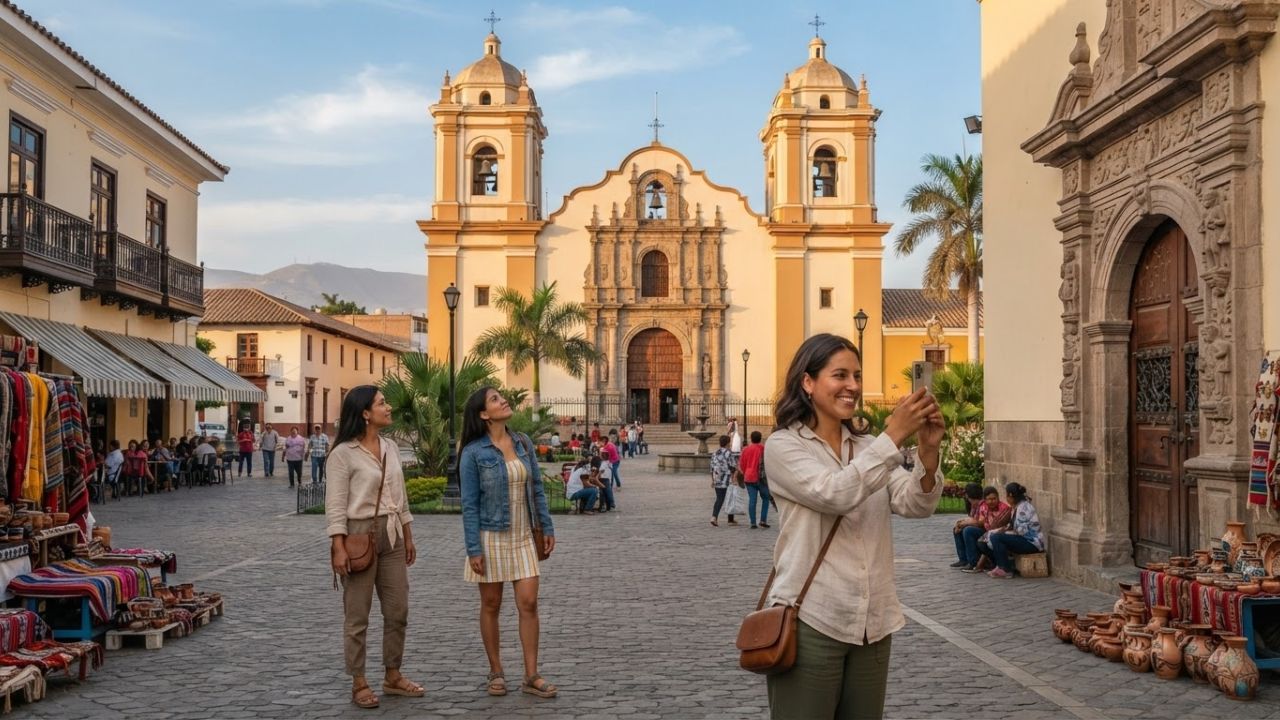
Image generated by AI
A newly launched pilgrimage corridor connecting 38 attractions across four regions of Peru will transform Pope Leo XIV’s legacy into a sustainable tourism economy. Known as La Ruta de León, the initiative links Lambayeque, Piura, La Libertad, and Callao, targeting a global religious tourism sector that drives millions of spiritual travelers annually.
La Ruta de León: Mapping Peru's New Spiritual Corridor
The Ministry of Foreign Trade and Tourism (MINCETUR) and the Commission for the Promotion of Peru for Export and Tourism (PROMPERÚ) have launched La Ruta de León. The route connects 38 attractions, churches, and sanctuaries linked to the pastoral work of Robert Francis Prevost. Prior to his election as Pope Leo XIV, Prevost served for decades in Peru, establishing roots as Bishop of Chiclayo and Apostolic Administrator of Callao.
Linking these locations creates a long-term regional tourism asset. PROMPERÚ reports that 300–330 million people travel globally each year for spiritual reasons, accounting for 20% of global tourism flows. In addition, 28% of travelers seek transformative experiences. The initiative aims to distribute visitor spending across regional hubs, bypassing traditional southern tourism nodes.
| City / destination | Region | Key connection | Tourism opportunity |
|---|---|---|---|
| Chiclayo | Lambayeque | Pope Leo XIV served as Bishop of Chiclayo | Religious, archaeological, cultural and nature tourism |
| Chulucanas | Piura | Connected with his pastoral work | Pilgrimage, local culture and regional tourism |
| Santo Domingo | Piura | Linked to the Pope’s pastoral mission | Religious and community-based tourism |
| Trujillo | La Libertad | Pope Leo XIV carried out pastoral and evangelisation work | Religious, heritage and cultural tourism |
| Callao | Callao | Pope Leo XIV served as Apostolic Administrator | Religious, cultural, museum and gastronomy tourism |
Strategic Regional Hubs of the Papal Route
Chiclayo, in Lambayeque, is the route's primary hub, containing 23 tourism resources. The central stop is the Santa María Cathedral, where the Pope served. Following his election, tourist arrivals to Lambayeque increased by 30%, according to Andina. Local operators are using this interest to extend visitor stays, combining cathedral visits with excursions to the Bosque de Pómac Historical Sanctuary.
In Piura, Chulucanas and Santo Domingo mark the Pope’s pastoral mission, featuring stops at San José Obrero Parish and La Sagrada Familia Church. In La Libertad, Trujillo connects the pilgrimage with Spanish colonial history. Callao serves as the coastal gateway, focusing on the Cathedral of San José del Callao and Santa Rosa Parish. By linking faith with gastronomy and museums, MINCETUR projects a 10% to 15% increase in tourists here.
Supporting Sustainable Regional Micro-Economies
The route supports sustainable travel and local communities by directing revenue toward small and medium enterprises (SMEs). This directly benefits family-run accommodations, local transit operators, licensed guides, and independent merchants.
Eco-initiatives are central to the route. In Lambayeque, travelers are guided to the Bosque de Pómac Historical Sanctuary, a protected dry forest. In Chulucanas, the route supports local workshops preserving pre-Inca pottery methods, allowing visitors to purchase crafts directly from the artisans.
| Tourism activity | Main beneficiaries | Potential economic effect |
|---|---|---|
| Accommodation | Hotels, guesthouses, local hosts | Higher occupancy and longer stays |
| Food & Beverage | Restaurants, cafés, food vendors | Increased visitor spending |
| Local transport | Taxi drivers, bus operators | More journeys between destinations |
| Tour guiding | Licensed guides, tour agencies | New guiding opportunities |
| Handicrafts | Artisans, local retailers | Greater demand for local products |
| Museums & sites | Cultural institutions | More ticket sales and visitor activity |
| Religious sites | Churches, local communities | Greater visitor flows and preservation |
| Cultural experiences | Local operators | More spending on experiences |
| Infrastructure | Public authorities, businesses | Better services and destination quality |
| Regional tourism | SMEs in destination areas | Wider distribution of tourism income |
Peru’s Domestic Religious Tourism Market
The domestic market represents the primary economic driver. A 2026 PROMPERÚ study found that 49% of adult Peruens—representing over 11.7 million potential travelers—wish to travel internally for religious reasons. Demographically, Centennials make up 41% of this profile, while Millennials account for 29%, showing strong interest among younger generations seeking experiences that blend faith with heritage and food.
Historically, Peru's spiritual gatherings carry immense economic power. The annual Señor de los Milagros procession in Lima draws over 3 million participants, while Lambayeque's Cruz de Motupe festival attracts more than 700,000 pilgrims. Semana Santa in Ayacucho generates an impact exceeding S/35 million. Similarly, Pope Francis's 2018 visit drew over 800,000 visitors and created an US$88 economic impact. In 2024, religious tourism in Peru generated US$52 million, driven by 13,000 foreign tourists and 397,000 domestic trips.
| Indicator | Latest reported figure | What it means |
|---|---|---|
| Economic impact of religious tourism in Peru | US$52 million | Activity generated in 2024 |
| Foreign religious tourists | 13,000 | International visitor segment |
| Domestic religious tourism trips | 397,000 | Strong domestic market |
| Global religious/spiritual travellers annually | 300–330 million | Size of worldwide opportunity |
| Share of global tourism flows | ~20% | Religious tourism global scale |
| Travellers seeking spiritual/transformative experiences | 28% | Market beyond traditional pilgrims |
| Señor de los Milagros annual participants | More than 3 million | One of Peru’s largest gatherings |
| Cruz de Motupe annual pilgrims | More than 700,000 | Major pilgrimage in Lambayeque |
| Ayacucho Semana Santa economic impact | More than S/35 million | Local economic potential |
| Pope Francis visit, 2018 | 800,000+ visitors | Pilgrimage-related travel demand |
| Economic movement from Pope Francis visit | More than US$88 million | Regional impact reported by PROMPERÚ |
Visitor Insider Guide: Navigating La Ruta de León
To plan a trip along this newly established route, travelers should follow key local guidelines to ensure a respectful and rewarding journey.
- Best Travel Windows: The dry winter season (May–September) offers optimal weather for Lambayeque, Piura, and La Libertad. To avoid the peak crowds of the Cruz de Motupe pilgrimage in August, plan visits to Chiclayo in April or October.
- Cultural Etiquette: Dress modestly when visiting active parishes like San José Obrero. Ensure shoulders and knees are covered. Avoid taking photos during religious services and request permission before photographing locals.
- Traditional Gastronomy: Try Arroz con Pato (duck with cilantro) and Seco de Cabrito (goat stew) in Chiclayo. In Piura, taste Seco de Chavelo (shredded beef with plantains) alongside Chicha de Jora (corn beer). In Callao, enjoy fresh Ceviche chalaco and Choritos a la Chalaca (steamed mussels).
- Under-the-Radar Stops: Explore the ancient Sicán adobe pyramids in Lambayeque's Bosque de Pómac. In Piura, visit Chulucanas pottery workshops to watch artisans create black-and-white ceramics using pre-Inca techniques.
Infrastructure and the Long-Term Tourism Outlook
Long-term success depends on infrastructure. MINCETUR has established a technical working group to coordinate safety, road, and public space upgrades across the 38 sites. This ensures smaller communities can absorb increased visitor numbers without environmental damage.
By combining spiritual itineraries with gastronomy and community lodging, Peru is establishing a resilient, year-round travel model. La Ruta de León aims to serve as a sustainable development prototype, protecting cultural heritage while securing jobs and revenue for regional communities.
Related Travel Guides
Peru Tourism Growth 2026: Chile and Ecuador Drive Surge Toward 4 Million Visitor Goal
Costa Rica Expands Pilgrimage Train Services to Cartago Basilica
The 10 Best Pilgrimage Sites in South America, According to Reddit
Disclaimer
This article is for informational and educational purposes only. It does not constitute legal, financial, or professional advice. While we strive to provide accurate and up-to-date information, travel policies, regulations, and conditions change rapidly. Always verify information with official sources before making travel decisions. Nomad Lawyer makes no representations about the accuracy, reliability, completeness, or suitability of the information provided. Readers should consult qualified professionals for advice specific to their circumstances. The views expressed in this article are those of the author and do not necessarily reflect the views of Nomad Lawyer.
Raushan Kumar
Founder & Lead Developer
Full-stack developer with 11+ years of experience and a passionate traveller. Raushan built Nomad Lawyer from the ground up with a vision to create the best travel and law experience on the web.
Learn more about our team →