
Viking Cruise Expands Ocean Fleet With Viking Leda and Viking Vega Launches for 2028 and 2029
Viking accelerates its premium market growth with the addition of Viking Leda and Viking Vega, continuing a strategic partnership with Fincantieri to deploy mid-sized luxury ocean vessels.

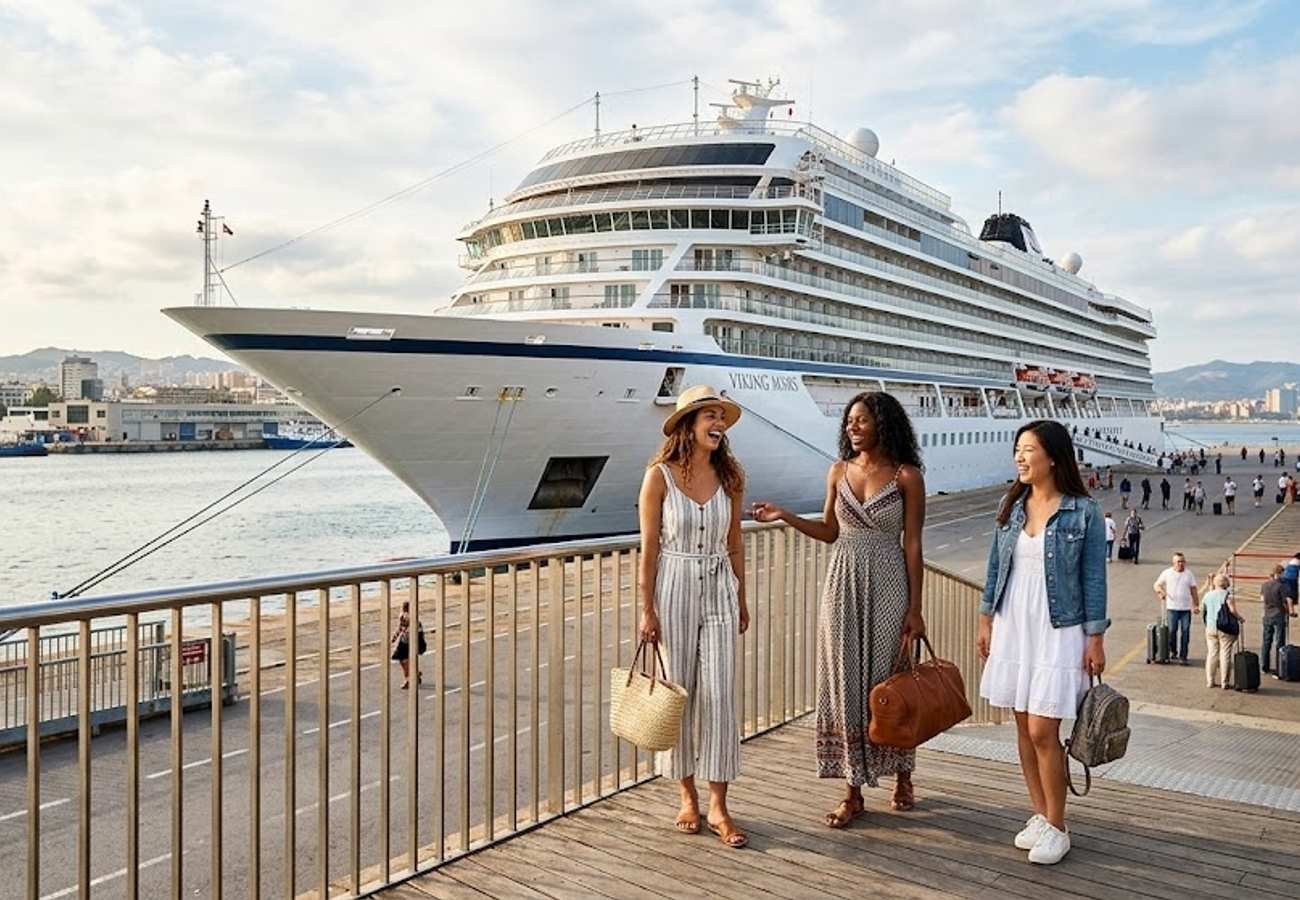
Image generated by AI
Headline Options:
- Factual/News: Viking Cruise Expands Global Fleet with Viking Leda and Viking Vega Scheduled for 2028 and 2029 Entry
- Curiosity-Gap (Discover): No Casinos, No Waterparks: Why Vikingâs New 2028 Fleet Expansion is Redefining Luxury Transit
- Problem-Solving (Search): How to Book Vikingâs Newest Ocean Voyages: A Guide to the Viking Leda and Viking Vega Launches
The shift toward "destination-centric" cruising accelerates as Viking confirms the addition of Viking Leda and Viking Vega to its global ocean fleet by 2029.
Strategic Fleet Expansion and Vessel Specifications
Viking is scaling its presence in the premium cruise sector through the introduction of two new ocean vessels, Viking Leda and Viking Vega. Scheduled to enter service in 2028 and 2029 respectively, these ships are the result of a long-term partnership with the Italian shipbuilder Fincantieri.
Unlike the industry trend toward "mega-ships," Viking is adhering to a controlled expansion model. The company utilizes a consistent design platform to ensure operational efficiency and a uniform guest experience. By avoiding the installation of large entertainment complexes and casinos, the operator focuses on a "cultural discovery" model, positioning the ship as a conduit to the destination rather than the destination itself.
While final specifications for the new vessels are pending, they are expected to mirror the current ocean fleet's parameters:
| Parameter | Specification (Expected) |
|---|---|
| Gross Tonnage | Approximately 54,300 |
| Guest Capacity | Approximately 998 passengers |
| Stateroom Count | 499 units |
| Room Type | Private veranda staterooms |
| Entry Dates | 2028 (Leda) / 2029 (Vega) |
| Shipbuilder | Fincantieri (Italy) |
Traveler Logistics Guide: Navigating Premium Ocean Transit
From a ground-level perspective, transitioning from river cruising to these larger ocean vessels requires a different approach to itinerary planning and logistics.
Optimal Booking Windows For high-demand launches like the Viking Leda and Vega, the "early bird" window is critical. Premium mid-sized ships have a hard cap on capacity (998 guests), meaning stateroomsâparticularly the coveted private verandasâsell out faster than on mega-ships. Secure bookings at least 12 to 18 months in advance of the 2028/2029 sail dates.
Managing Connections and Transfers Viking typically focuses on regional hubs in the Mediterranean, Northern Europe, and the British Isles. When booking air-to-sea connections:
- Layovers: Allow a minimum of 4 hours for international connections to avoid missing the vessel's departure.
- Digital Transit: Ensure all travel documents are updated. For European ports, monitor the implementation of ETIAS (European Travel Information and Authorisation System) requirements for non-EU citizens.
- Customs: Use the "destination-focused" nature of these ships to your advantage by arriving in port cities two days early to acclimate and avoid transit stress.
Onboard Experience Expectations Travelers should note the strict "adults-only" atmosphere. There are no water parks or casinos. The logistics of the trip are centered around cultural lectures and regional dining, making this an ideal choice for those prioritizing intellectual enrichment over high-energy entertainment.
Infrastructure and Environmental Impact Assessment
The addition of these vessels marks Viking's complete transformation from a specialized river cruise operator to a global ocean leader. By maintaining a mid-sized fleet, Viking can access smaller, more remote ports that are inaccessible to 5,000-passenger ships, thereby distributing tourism revenue to a wider array of local economies.
Furthermore, the company is integrating sustainable maritime technology into its growth strategy. Viking is currently developing hydrogen-based propulsion systems to reduce the carbon footprint of its operations. While the Leda and Vega are not explicitly labeled as hydrogen vessels, they are expected to incorporate the latest energy-efficiency upgrades developed by Fincantieri, aligning with global mandates for cleaner maritime transportation.
A refined approach to global transit where the journey is defined by the destination, not the deck plan.
Related Travel Guides
Disclaimer
This article is for informational and educational purposes only. It does not constitute legal, financial, or professional advice. While we strive to provide accurate and up-to-date information, travel policies, regulations, and conditions change rapidly. Always verify information with official sources before making travel decisions. Nomad Lawyer makes no representations about the accuracy, reliability, completeness, or suitability of the information provided. Readers should consult qualified professionals for advice specific to their circumstances. The views expressed in this article are those of the author and do not necessarily reflect the views of Nomad Lawyer.

Raushan Kumar
Founder & Lead Developer
Full-stack developer with 11+ years of experience and a passionate traveller. Raushan built Nomad Lawyer from the ground up with a vision to create the best travel and law experience on the web.
Learn more about our team â