
Vietnam’s Côn Đảo Boosts Island Tourism With Cable Cars Eco Routes and Sustainable Development Strategy
Vietnam’s Côn Đảo Boosts Island Tourism With Cable Cars Eco Routes and Sustainable Development Strategy

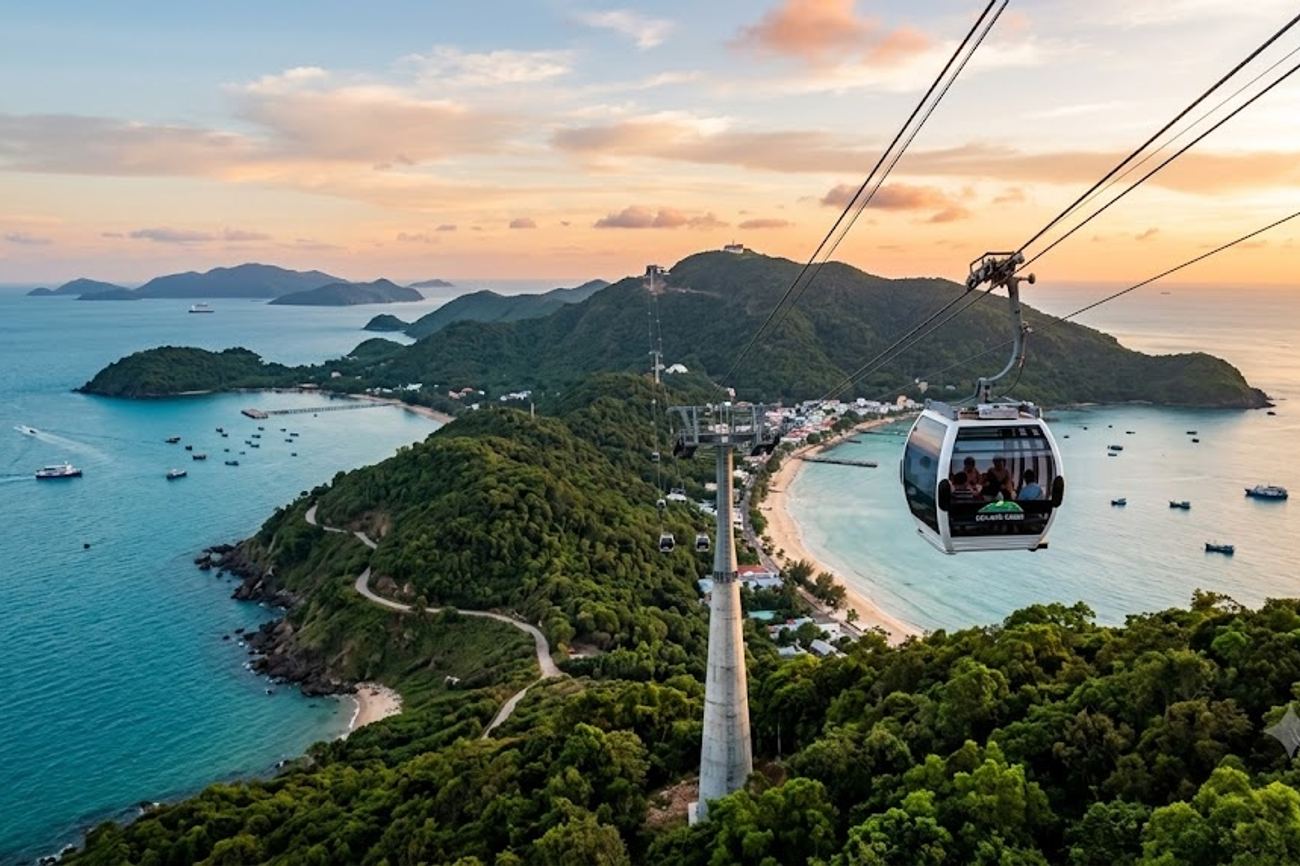
Image generated by AI
[Côn Đảo, October 2023] — Vietnam is overhaulng the tourism infrastructure of Côn Đảo National Park through a revised master plan that introduces 5.5 kilometers of cable car routes and 19 dedicated eco-tourism circuits. The strategy, which extends through 2030, aims to scale visitor capacity while enforcing strict conservation mandates to protect the archipelago's biodiversity and forest ecosystems.
The updated development framework, managed by the Côn Đảo special administrative zone and national park authorities, shifts the island's growth model toward "low-impact" infrastructure. By integrating high-tech marine farming and green transport, the Vietnamese government intends to diversify the local economy without exceeding the ecological carrying capacity of the sensitive island environment.
The Infrastructure Shift
The centerpiece of the expansion is the introduction of two new cable car systems. These lines will bridge Côn Sơn Island with smaller surrounding islands, totaling approximately 5.5 kilometers in length. To minimize surface disruption, the project includes the installation of underground electricity, water, and cable systems. These utilities are designed to serve a dual purpose: facilitating tourist movement and supporting the Vietnam Administration of Forestry in its forest management and conservation patrols.
Beyond the aerial transport, the plan designates 20 specific eco-tourism, resort, and entertainment sites. These sites span a total of 905.9 hectares, with 885.9 hectares located on forest land and 20 hectares situated in marine areas. The development of these zones will be governed by strict investment criteria to prevent the uncontrolled urban sprawl common in other Southeast Asian coastal destinations.
Impacted Zones and Routes
The revised plan prioritizes the use of existing infrastructure to avoid new deforestation. The following breakdown details the specific routes and zones affected by the 2030 master plan:
- Eco-Tourism Circuits: 19 total routes are planned, covering a combined distance of 293.5 kilometers.
- Existing Path Integration: 17 of these routes will utilize current forest patrol roads and conservation trails to limit new construction.
- Priority Upgrade: The Ma Thiên Lãnh–Đất Thắm–Bãi Bàng forest patrol route (approximately 4 kilometers) will be upgraded to support wildfire prevention, forest protection, and guided canopy tours.
- Key Natural Landmarks: New access points will be established for the Bãi Bàng Waterfall, Đất Thắm Beach, and various heritage trees.
- Marine Zone: A 100-hectare high-tech marine farming zone will be established near Hòn Trọc within the marine buffer area.
Practical Traveler Advisory and Strategic Insights
For the individual traveler, the transition from traditional transport to a managed eco-system means a significant change in how the archipelago is navigated. The reliance on combustion-engine vehicles is expected to drop as the park introduces green electric vehicles for movement beneath the forest canopy.
Passenger and Visitor Impact:
- Accessibility: The 5.5km cable car network will make smaller islands accessible without the need for private boat charters, potentially lowering the cost and increasing the safety of island-hopping.
- Activity Shift: Visitors can expect a move toward "educational tourism." The 100-hectare marine zone near Hòn Trọc will allow tourists to engage with sustainable aquaculture and seafood production.
- Accommodation: New high-quality resorts are planned, but they will be restricted to "beneath-canopy" construction. This means luxury stays will likely be integrated into the forest rather than replacing it with concrete complexes.
- Regulation: Travelers should expect stricter controls on movement. Since 17 of the 19 routes are shared with forest patrol and biodiversity monitoring teams, tourist access will be carefully managed and likely restricted to guided groups.
The Blue Economy and Marine Integration
The establishment of the Hòn Trọc marine farming zone represents a pivot toward a "blue economy." By combining commercial aquaculture with tourism, Côn Đảo aims to create a sustainable revenue stream for local residents of the special administrative zone. This zone will operate under the oversight of the Ministry of Agriculture and Rural Development, ensuring that all fishing and farming activities comply with biodiversity conservation and investment standards.
This integration is designed to move the island away from a pure "sightseeing" model toward an immersive experience where visitors contribute to the local economy through educational tours of sustainable seafood operations.
Future Timeline and Investment
The rollout of these projects will occur incrementally through 2030. The immediate focus is the upgrading of the Ma Thiên Lãnh–Đất Thắm–Bãi Bàng route and the finalization of investment partnerships for the 20 designated tourism sites.
Vietnam's Côn Đảo Islands are set to welcome more tourists with the introduction of cable cars and eco-routes, aligning with the country's sustainable development strategy. The Vietnam National Administration of Tourism has outlined plans to enhance infrastructure while preserving the islands' natural beauty. This move is expected to boost island tourism, offering visitors a unique experience amidst the islands' pristine beaches and forests.
The government is actively seeking investment for high-end eco-resorts, but these will be subject to "ecological carrying capacity" audits. This means the number of hotel rooms and daily visitor permits will be capped based on the environmental health of the forest and marine buffer zones. Future projects must adhere to green construction standards, ensuring that the infrastructure does not compromise the natural value that attracts international travelers to the region.
FAQ: Côn Đảo Tourism 2030
Will the new cable cars damage the environment? The plan utilizes underground utility systems to minimize surface impact. Cable cars are intended to reduce the need for road construction in sensitive areas, moving visitors above the canopy rather than through the undergrowth.
Can I visit the forest routes independently? Most of the 293.5 kilometers of routes are shared with forest patrol and conservation paths. Access will likely be managed via guided tours and green electric vehicles to ensure biodiversity protection.
What is the "high-tech marine farming zone"? Located near Hòn Trọc, this 100-hectare area combines advanced aquaculture with educational tourism. Visitors can learn about sustainable seafood production and marine conservation.
Are there new hotels being built? Yes, 20 sites (905.9 hectares) are designated for resorts and entertainment. However, these must follow "beneath-canopy" construction rules to preserve the forest landscape.
Côn Đảo is betting that high-tech connectivity and strict ecological limits can save its wilderness from its own popularity.
Related Travel Guides
Disclaimer
This article is for informational and educational purposes only. It does not constitute legal, financial, or professional advice. While we strive to provide accurate and up-to-date information, travel policies, regulations, and conditions change rapidly. Always verify information with official sources before making travel decisions. Nomad Lawyer makes no representations about the accuracy, reliability, completeness, or suitability of the information provided. Readers should consult qualified professionals for advice specific to their circumstances. The views expressed in this article are those of the author and do not necessarily reflect the views of Nomad Lawyer.
Naina Thakur
Contributor & Travel Specialist
Travel enthusiast and legal writer covering visa regulations, responsible tourism, and cultural journeys across global destinations.
Learn more about our team →