
Vietnam Typhoon Season 2026: Beach Holidays, Cruises, and Island Routes Face June-November Weather Disruption
Vietnam enters its critical typhoon season from June through November. Beach holidays, Ha Long Bay cruises, and island ferries face major disruption risks. Travel planners must rethink booking policies now.

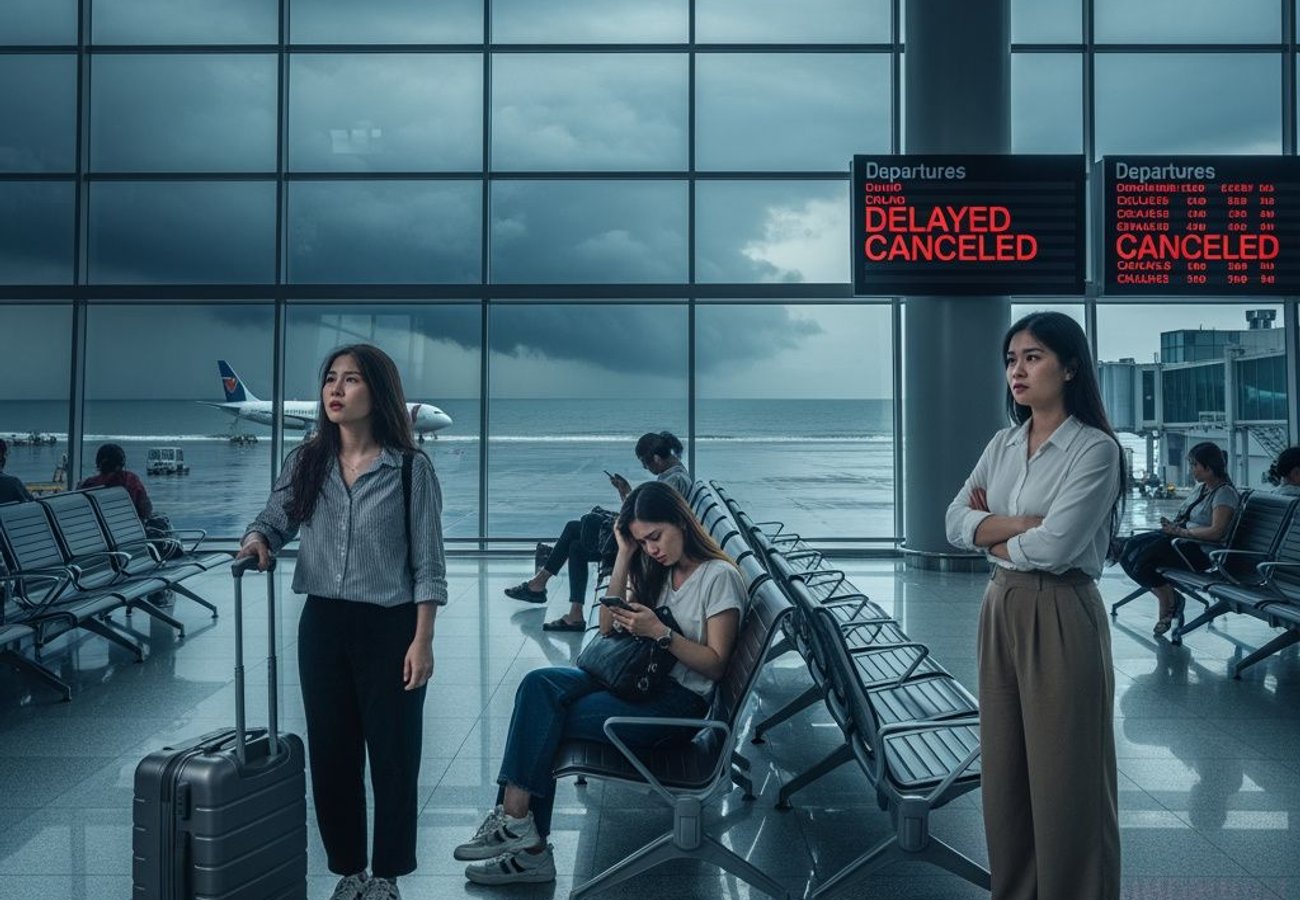
Image generated by AI
Vietnam Just Entered Its Most Dangerous Travel Window
Vietnam has officially crossed into a high-risk travel planning period that will define the next six months of tourism operations across the entire country. From June through November, typhoons will batter the coastline. From November into April, tropical cyclones take over. For airlines, cruise operators, ferry services, and individual travelers, this is not a minor weather note—it's an operational earthquake.
The stakes are massive. Ha Long Bay, Da Nang, Hoi An, Nha Trang, and Phu Quoc aren't marginal destinations. They're the backbone of Vietnam's $20 billion tourism economy. When storms hit, flights get cancelled, cruises get postponed, ferries get suspended, and entire itineraries collapse.
Reddit: "Booked Ha Long Bay in July. Cruise was cancelled three days before departure. No refund offered, only rebooking for August. The hotel there said flooding was a real risk." — r/travel
The Geography That Makes Vietnam Vulnerable
Vietnam sits in one of the world's most storm-prone zones. The country's long eastern coastline runs directly along the western edge of the South China Sea, where warm tropical waters spawn typhoons that march westward with brutal consistency.
The numbers tell a stark story. Roughly 70 percent of Vietnam's population lives in coastal communities directly exposed to storm and flood risk. That same coastal strip holds most of the country's tourism infrastructure—hotels, airports, cruise piers, roads, and visitor attractions.
According to institutional disaster risk assessments, Vietnam ranks among the most hazard-prone nations in the Asia-Pacific region. Severe storms, cyclones, typhoons, floods, and landslides aren't exceptions. They're the norm during certain months.
Here's When Each Region Gets Hit
June to November: Main Typhoon Assault
This is Vietnam's primary storm season. Northern regions like Ha Long Bay face monsoon winds and heavy rainfall from June through August. Central Vietnam (including Hoi An and Hue) experiences peak storm exposure from September through November. Southern islands like Phu Quoc face dangerous seas from July through September.
November to April: Tropical Cyclone Continuation
Storm risk doesn't vanish after November. Tropical cyclones continue threatening marine operations, ferry routes, and coastal infrastructure through April. For island-hopping travelers or cruise planners, this represents an extended hazard window.
Ha Long Bay Cruises Face Unpredictable Cancellation Risk
Ha Long Bay is Vietnam's crown jewel—a UNESCO World Heritage Site that anchors millions of tourism dollars annually. It's also where weather planning becomes absolutely critical.
The problem: cruise operations become genuinely unpredictable from June through August. Official Vietnam tourism guidance confirms that monsoon conditions and tropical storms can force sudden cancellations, often with minimal notice to travelers already in Hanoi waiting to depart.
The domino effect is brutal. A cancelled Ha Long Bay cruise doesn't just mean a refund. It means rebooked hotels, changed road transfers, disrupted itineraries, and frustrated tourists who may have built their entire Vietnam trip around that one experience.
Travel operators selling Ha Long Bay during storm months need to be ruthlessly honest about this risk. Flexible booking terms, backup inland activities, and clear communication with cruise partners aren't luxuries—they're essential.
Central Vietnam's Hidden Storm Pattern
Central Vietnam requires strategic attention because its storm cycle differs from the north and south. Hoi An, Hue, and surrounding heritage zones face their worst weather from September through November, not during the summer months.
This creates a planning trap. Travelers booking "autumn escapes" to Vietnam's cultural heartland often don't realize that September, October, and November bring heavy rain, tropical storms, and localized flooding to exactly the regions they want to visit.
Da Nang, which serves as the region's aviation hub, can still operate flights during these months—but ground operations become chaotic. Heritage walking tours get rained out. River activities get suspended. Road connections between cities get slowed or blocked.
Travel companies operating in Central Vietnam during this period should redesign itineraries around indoor attractions, morning-only activities, and day-by-day operational flexibility. The product still sells, but the execution must match the weather reality.
Phu Quoc's Rainy Season Trap
Phu Quoc is marketed as a tropical paradise—and it is, for roughly eight months of the year. The remaining four months (July through September) become a genuine operational challenge.
During this rainy season, sea conditions turn rough. Ferries become unpredictable. Beach activities get suspended. Snorkeling, diving, and boat tours operate only on calm days, which become rare. Even when flights continue to land normally, the island experience can deteriorate rapidly.
The trap is that travelers book Phu Quoc expecting sun and sea during their specific travel dates, then arrive to gray skies and choppy water. For tour operators and online travel agencies, the solution is transparent product communication and strong insurance recommendations.
Travelers considering Phu Quoc during July-September should be explicitly warned about rainy conditions, and they should be advised to avoid same-day ferry connections that leave no margin for weather delays.
Vietnam's Airlines Face A Regional Disruption Cascade
Typhoons don't just affect beaches and boats. They disrupt entire aviation networks.
Strong winds can delay takeoffs and landings. Heavy rain slows airport operations. Flooding affects airport road access and ground transfers. Regional disruption spreads aircraft across longer routes, creating knock-on delays even for flights operating in clear weather zones.
For travelers on multi-city Vietnam itineraries—like flying from Hanoi to Da Nang to Phu Quoc in a single week—exposure multiplies across different weather systems. Each leg brings its own storm risk.
Airlines and travel management companies should treat Vietnam's typhoon season as a serious operational risk, not just a weather footnote. Group bookings, MICE travel, and incentive trips need additional buffers. Flexible ticketing and hotel amendment clauses stop being nice-to-have features and become mandatory safety measures.
What Travelers Should Do Right Now
If you're planning Vietnam travel between now and April 2027, here's the action list:
Book travel insurance that explicitly covers weather-related cancellations and disruptions. Standard policies often exclude typhoon impacts, so read the fine print carefully.
Avoid back-to-back connections across multiple islands or coastal cities during June-November. Give yourself buffer days between legs.
Choose accommodations with proven cancellation flexibility. Hotels in storm-prone zones should offer free date changes, not just refunds, to give you flexibility if your cruise or ferry gets cancelled.
Communicate directly with local tour operators. They have real-time storm forecasting and can make same-week operational adjustments that international booking platforms cannot.
Monitor official Vietnam weather forecasts from the National Centre for Hydro-Meteorological Forecasting as your travel dates approach. This is the authoritative source for storm activity and typhoon warnings.
Tour Operators Must Redesign Their Products
For travel businesses selling Vietnam packages during storm season, the business case for redesign is clear.
Cancellations destroy customer lifetime value. A traveler whose Ha Long Bay cruise gets cancelled and who receives only a rebooking offer (no refund) is unlikely to book Vietnam again. The reputational damage spreads rapidly across travel review sites and social media.
Instead, smart operators are building storm resilience into product design: flexible dates, backup inland activities, strong ground-handling partnerships, and transparent weather communication from day one.
This approach doesn't eliminate weather risk. But it transforms weather risk from a customer satisfaction disaster into a manageable operational challenge.
Vietnam remains one of Asia's most compelling destinations—but respect the seasons, plan ruthlessly, and never assume a calm city day means safe seas.
Related Travel Guides
Disclaimer
This article is for informational and educational purposes only. It does not constitute legal, financial, or professional advice. While we strive to provide accurate and up-to-date information, travel policies, regulations, and conditions change rapidly. Always verify information with official sources before making travel decisions. Nomad Lawyer makes no representations about the accuracy, reliability, completeness, or suitability of the information provided. Readers should consult qualified professionals for advice specific to their circumstances. The views expressed in this article are those of the author and do not necessarily reflect the views of Nomad Lawyer.
Kunal K Choudhary
Co-Founder & Contributor
A passionate traveller and tech enthusiast. Kunal contributes to the vision and growth of Nomad Lawyer, bringing fresh perspectives and driving the community forward.
Learn more about our team →