
Singapore-Nha Trang Direct Flights: Vietjet's Game-Changing December 2026 Launch
Vietjet launches direct Singapore-Nha Trang service December 2026, cementing regional aviation ties and opening Vietnam's fastest-growing coastal resort to high-income Asian travelers seeking affordable luxury and island experiences.

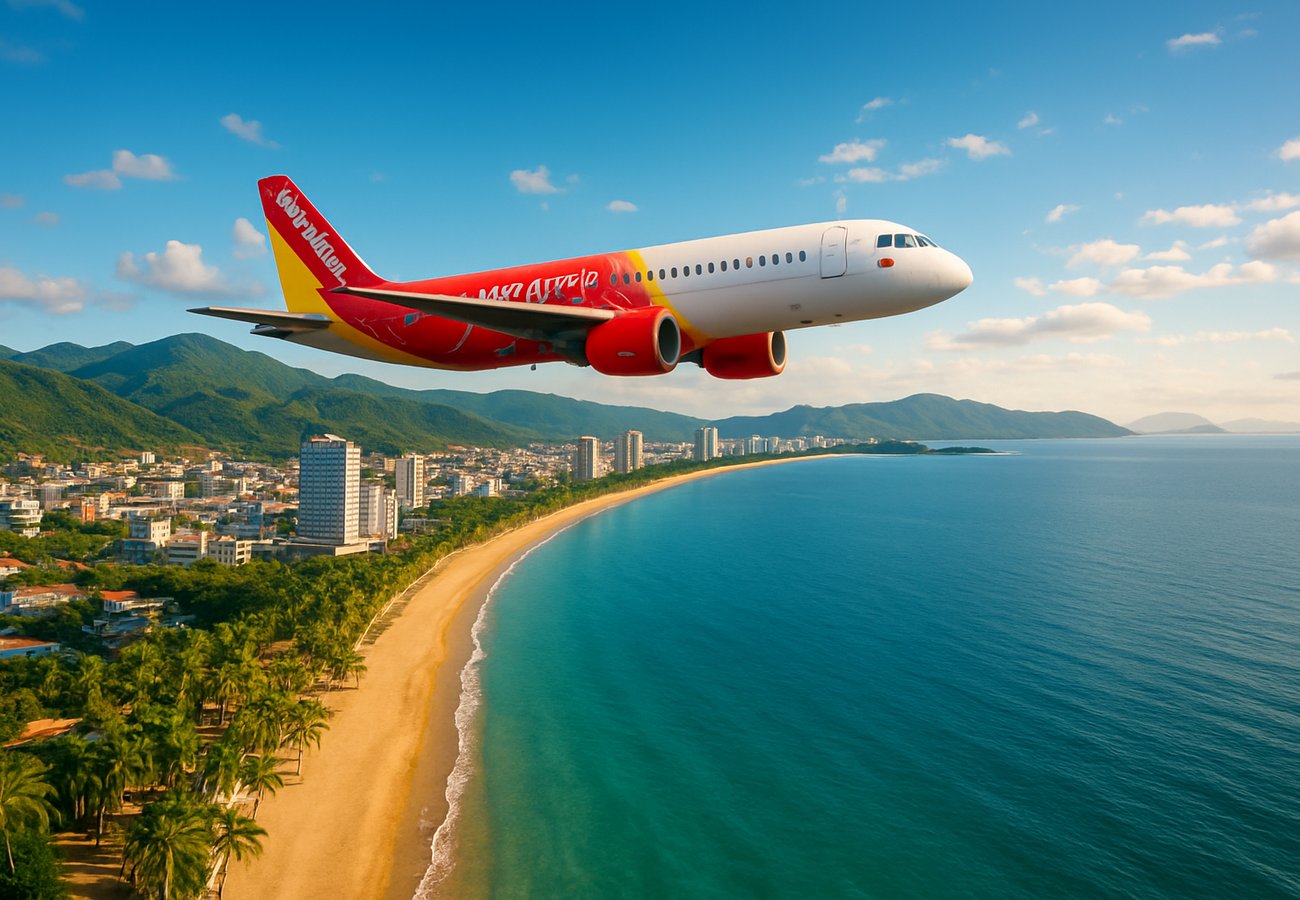
Image generated by AI
Direct Flights Finally Connect Singapore's Wealth to Vietnam's Hottest Beach Destination
Vietjet Air is about to crack open one of Southeast Asia's most lucrative travel corridors. On December 11, 2026, the airline launches a direct service linking Singapore to Nha Trang, Vietnam's most explosively growing coastal resort destination. Four flights weekly—Mondays, Wednesdays, Fridays, and Sundays—will collapse the friction between one of Asia's richest financial hubs and a beach paradise that's been flying under the international radar.
This isn't just another route addition. It's a calculated play to capture high-spending Singapore travelers seeking authentic beach experiences without the complications of layovers. Reddit travel communities have long debated why direct connectivity to Nha Trang took so long: "Nha Trang has better snorkeling than Phuket and half the price. Direct flights from Singapore would absolutely destroy it with tourists." — r/solotravel
The announcement emerged from the Vietnam–Singapore Tech Connect Forum 2026, where senior government officials from both nations signaled deeper economic and tourism integration across the region.
Why This Route Matters: Following the Money
Singapore isn't just any origin market. The city-state boasts a GDP per capita of approximately US$98,878 (2025), placing it among the world's wealthiest nations by this metric. With a population of around 5.9 million, this compact economy generates outsized international travel demand.
Singapore's travelers don't just take cheap beach breaks. They book longer stays, splurge on activities, visit premium resorts, and return repeatedly. For Vietnam's tourism industry, tapping this demographic represents serious revenue concentration. A single flight-conscious market with high disposable income can drive sustainable, quality visitor flows—not just volume.
The service becomes Vietjet's fifth direct connection between Singapore and Vietnam, joining established routes serving Ho Chi Minh City, Hanoi, Da Nang, and Phu Quoc. The airline isn't speculating; it's doubling down on one of Southeast Asia's most competitive travel corridors based on proven demand data.
Nha Trang: From Domestic Secret to International Contender
Nha Trang occupies a unique position in Vietnam's tourism hierarchy. Located along the south-central coastline, it combines white-sand beaches, coral-rich offshore islands, upscale wellness retreats, and authentic seafood dining culture—all priced substantially below comparable Thai or Philippine destinations.
The destination's appeal spreads across multiple traveler segments:
Beach leisure travelers gravitate toward pristine coastlines and family-friendly resorts. Island-hoppers exploit Nha Trang Bay's archipelago for snorkeling and scuba expeditions. Wellness tourists book spa and yoga retreats embedded in luxury resorts. Culinary travelers pursue fresh seafood at local markets and beachfront restaurants. Bleisure professionals combine short business trips with extended coastal relaxation.
This diversification insulates the destination from single-market dependency. Whether Singapore sends retirees, young professionals, or families, Nha Trang offers targeted experiences. As direct flights eliminate transit complications, weekend getaways become viable—a critical factor driving short-haul aviation growth across Southeast Asia.
The Direct Flight Advantage: Cutting Through Travel Friction
Aviation research consistently demonstrates that direct connectivity increases visitor arrivals by 15-40%, depending on market maturity and destination strength. Eliminating layovers removes psychological and logistical barriers that deter potential travelers.
Singapore-based tourists can now catch a Thursday-evening Vietjet flight, arrive in Nha Trang by late night, maximize Friday through Sunday on beaches or diving expeditions, and return Monday morning for work. This calculus simply doesn't work with connections through Bangkok or Ho Chi Minh City. Direct flights create a new category of traveler: the efficiency-conscious short-break visitor with spending power.
For corporate travel teams, the route enables incentive travel packages that wouldn't survive multi-leg complexity. For families, weekend beach trips transform from aspirational dreams into practical scheduling reality.
Southeast Asia's Regional Connectivity Arms Race Intensifies
This launch reflects broader competitive dynamics reshaping the region. Vietnam, Thailand, Philippines, Malaysia, and Indonesia are locked in an infrastructure race to dominate regional leisure travel spending. New international routes, digital tourism promotion, luxury resort development, and aviation partnerships now function as strategic economic tools.
Vietnam has emerged as the standout beneficiary of these trends. The government aggressively courts international investment in coastal tourism infrastructure while airline partnerships expand connectivity. Nha Trang, Da Nang, and Phu Quoc now appear on international travel itineraries alongside established powerhouses like Bangkok and Bali.
The Singapore–Nha Trang route exemplifies this strategy: it strengthens people-to-people exchanges, deepens economic ties, and positions Vietnam as the accessible, value-oriented alternative to more expensive regional competitors. Singapore Changi Airport continues evolving as Southeast Asia's premium transfer hub, while Vietnamese destinations capture the leisure spending that arrives through its gates.
What Travelers Actually Do in Nha Trang Beyond Swimming
Modern tourism demand has fractured into experiential niches. The beach remains central, but savvy travelers exploit broader offerings:
Island excursions across Nha Trang Bay deliver snorkeling, diving, and island hopping. Coastal cycling routes showcase rural villages and agricultural landscapes. Spa and wellness centers feature Vietnamese traditional massage and yoga. Historical landmarks document colonial-era French influence and Buddhist heritage. Local seafood markets provide authentic culinary immersion.
This experience-stacking behavior explains why Nha Trang attracts repeat visitors from developed economies. The destination offers depth beyond postcard images. Direct flight convenience amplifies this appeal substantially.
The Broader Significance: Secondary Destinations Rising
The route launch signals a fundamental shift in regional travel geography. Traditional primary destinations—Bangkok, Bali, Ho Chi Minh City—remain dominant, but secondary coastal destinations now capture disproportionate growth as travelers seek authenticity, value, and less-crowded experiences.
Nha Trang's rise reflects this pattern. With direct air access from Singapore, the destination graduates from optional add-on to primary choice for specific traveler segments. The economics work: shorter flights reduce operating costs, stimulate frequency, and enable competitive pricing while capturing higher-spend demographics than typical Southeast Asian beach resorts.
For the regional tourism ecosystem, this maturation suggests sustainable growth beyond traditional hub-and-spoke models. As secondary destinations strengthen international connectivity, they absorb visitor pressure from overcrowded primary markets, creating more resilient regional tourism systems.
December 2026: When Southeast Asia's Travel Map Expands Again
The Vietjet Singapore–Nha Trang service launches in a market primed for expansion. Singapore's wealth, Vietnam's tourism momentum, and Nha Trang's destination maturity converge at precisely the right moment. Four weekly flights acknowledge demonstrated demand while positioning the route for growth as awareness spreads through Singapore's affluent, well-traveled population.
For travelers: you're gaining a direct gateway to one of Asia's finest beach experiences. For the tourism industry: watch Nha Trang's visitor statistics closely over the next 18 months. This route may redefine which Vietnamese coastal destinations lead the next tourism cycle.
Direct flights eliminate excuses—now Nha Trang becomes inevitable for Singapore's escape seekers.
Related Travel Guides
Kangaroo Island Eco-Tourism Boom: International Flights Surge 2026
Disclaimer
This article is for informational and educational purposes only. It does not constitute legal, financial, or professional advice. While we strive to provide accurate and up-to-date information, travel policies, regulations, and conditions change rapidly. Always verify information with official sources before making travel decisions. Nomad Lawyer makes no representations about the accuracy, reliability, completeness, or suitability of the information provided. Readers should consult qualified professionals for advice specific to their circumstances. The views expressed in this article are those of the author and do not necessarily reflect the views of Nomad Lawyer.
Raushan Kumar
Founder & Lead Developer
Full-stack developer with 11+ years of experience and a passionate traveller. Raushan built Nomad Lawyer from the ground up with a vision to create the best travel and law experience on the web.
Learn more about our team →