
Vermont Emerges as Top U.S. Eco-Tourism Hub for 2026
Vermont outperforms Hawaii and California as the greenest US state in 2026, leveraging EV infrastructure and organic farming to attract eco-conscious travelers.

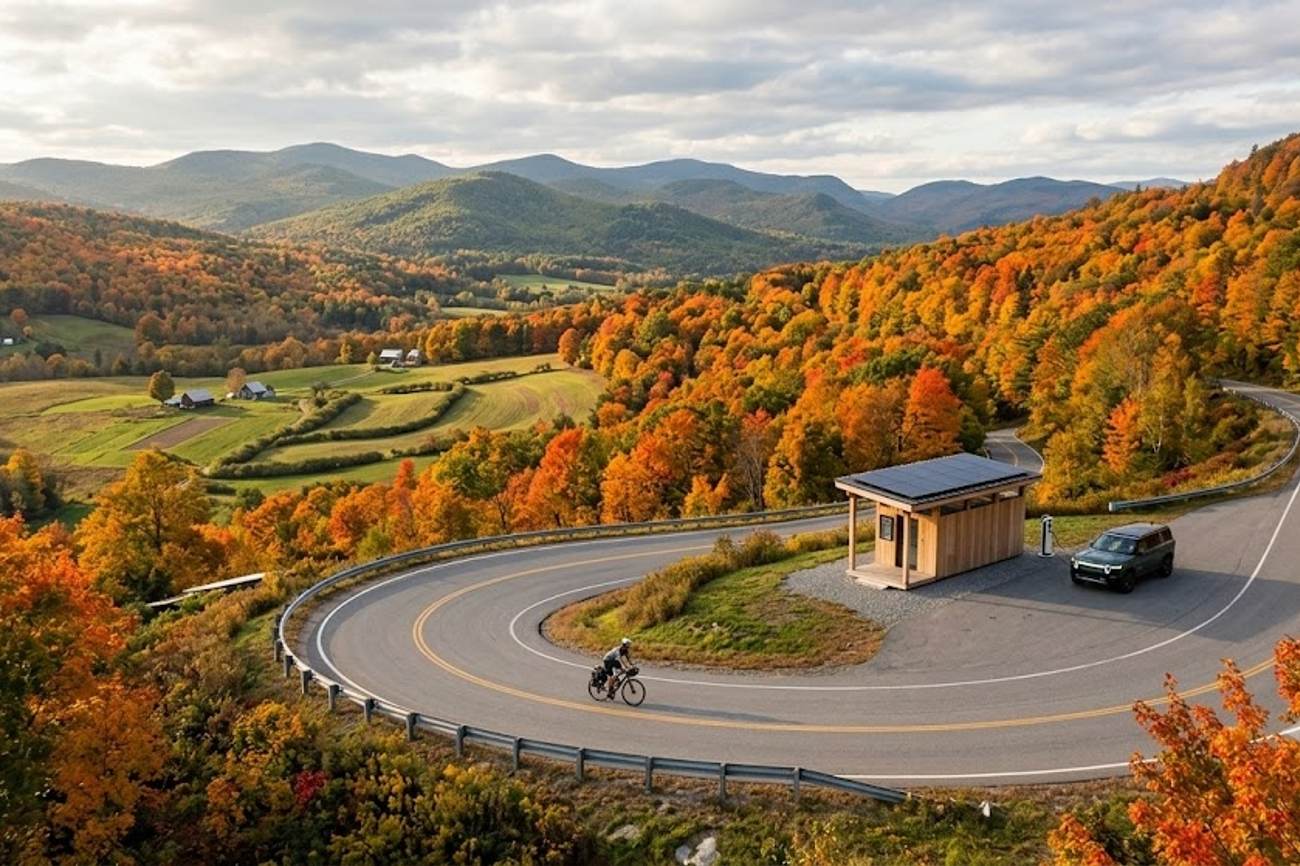
Image generated by AI
Vermont Redefines American Sustainable Tourism
[Montpelier, September 10, 2026] — The landscape of American tourism is shifting toward environmental accountability, with Vermont now leading the nation as the premier destination for eco-conscious travelers in 2026. While Hawaii and California have long been the faces of outdoor adventure and natural beauty, recent environmental rankings identify Vermont as the greenest state in the union. This distinction is rooted in a combination of aggressive environmental policies, clean-air initiatives, and a statewide infrastructure designed to minimize the carbon footprint of daily life and tourism.
For the modern traveler, this ranking transforms Vermont from a seasonal destination known for autumn foliage into a year-round hub for sustainable exploration. The state offers a comprehensive ecosystem for those seeking "light-footprint" journeys, blending organic agriculture, conservation-led land management, and a robust electric vehicle (EV) network. This alignment makes the northeastern state an ideal choice for visitors who refuse to compromise on comfort while adhering to strict ecological standards.
Environmental Metrics Drive Vermont’s Top Ranking
Vermont’s ascent to the top of the greenest states list is not accidental but the result of measurable performance in environmental quality and climate-related contributions. Industry reports indicate that Vermont outperformed both Hawaii and California by integrating sustainability into its core infrastructure rather than treating it as a marketing veneer.
A primary driver of this success is the state's commitment to organic farming. By reducing the use of petroleum-based fertilizers and eliminating harmful herbicides and pesticides, Vermont has protected its soil health and waterways. This agricultural shift directly benefits the tourism sector, as it fosters a "farm-to-table" economy that attracts visitors interested in responsible consumption and local food systems.
Furthermore, the state's superior performance in recycling and air quality metrics ensures that the outdoor experiences—ranging from forest bathing to mountain trekking—are conducted in a pristine environment. This systemic approach proves that environmental health and tourism growth can coexist and mutually reinforce one another.
EV Infrastructure Facilitates Low-Emission Road Trips
Because the quintessential Vermont experience relies heavily on road travel—particularly during the peak foliage season—the state has prioritized the electrification of transport. To support this, Vermont has deployed more than 500 public electric charging stations. This network represents one of the highest charging station densities per capita in the United States.
This infrastructure removes the "range anxiety" typically associated with rural travel, allowing visitors to plan multi-day itineraries that span various mountain communities, remote forests, and cultural landmarks without relying on internal combustion engines. By facilitating seamless EV travel, Vermont is actively reducing the transport-related emissions that traditionally plague high-traffic tourist seasons.
| Sustainable Travel Feature | Value For Visitors |
|---|---|
| Public EV charging network | Supports lower-emission road trips |
| Organic farming | Encourages responsible local food experiences |
| Recycling initiatives | Supports reduced waste during travel |
| Extensive natural landscapes | Enables nature-based tourism |
| Conservation ambitions | Protects habitats and scenic environments |
| Clean-air reputation | Enhances outdoor and mountain experiences |
Long-Term Conservation Strategies Protect Travel Assets
The sustainability of Vermont's tourism industry is anchored in its aggressive land conservation goals. The state has established ambitious plans to conserve a significant portion of its land by 2050, ensuring that forests and wildlife habitats remain untouched by urban sprawl.
From a tourism perspective, this conservation effort preserves the "slow travel" appeal of the region. By protecting open spaces, Vermont ensures that hiking, wildlife photography, and cycling remain viable activities for future generations. This strategy also protects the authenticity of rural villages, which serve as a primary draw for travelers escaping the over-development of more commercialized tourist hubs.
This commitment to land stewardship encourages a symbiotic relationship between the visitor and the environment. Travelers are increasingly urged to follow "leave no trace" principles, supporting local businesses and respecting fragile ecosystems, thereby turning a simple vacation into an act of environmental preservation.
Accessible Mountain Terrain for Eco-Adventurers
Vermont’s geography provides a natural playground for sustainable recreation, boasting more than 100 peaks that exceed 3,000 feet. Among these, Mount Mansfield stands as the highest point in the state, reaching approximately 4,393 feet.
Unlike more technical mountain ranges, Vermont’s terrain is uniquely accessible to first-time hikers. Many of the state's trails offer gentle gradients, allowing those who are not experienced mountaineers to enjoy high-altitude vistas without requiring specialized equipment or high-impact transport.
Mount Mansfield remains a primary draw for its panoramic views of the surrounding valleys and forests. Similarly, Hogback Mountain is recognized for its expansive vistas, providing a low-impact way for tourists to experience the scale of the New England landscape. These activities embody the essence of sustainable tourism: they require minimal infrastructure and produce virtually no waste, relying instead on the inherent beauty of the preserved land.
Why This Matters: The Shift to "Value-Based" Travel
For the traveler, Vermont’s ranking signifies a shift from "sightseeing" to "value-based" travel. In the past, a trip to the mountains was about the destination; in 2026, it is about the impact of the journey. When a state provides 500+ EV chargers and a commitment to organic soil, the burden of "being sustainable" is shifted from the individual traveler to the destination's infrastructure.
From a logistical standpoint, this creates a blueprint for other U.S. states. It demonstrates that eco-tourism is not merely about protecting a forest, but about building the charging stations, recycling centers, and farming practices that allow a visitor to exist in that forest without damaging it. For the visitor, this means a seamless experience where the "green" choice is also the most convenient choice.
Related Travel Guides
Disclaimer
This article is for informational and educational purposes only. It does not constitute legal, financial, or professional advice. While we strive to provide accurate and up-to-date information, travel policies, regulations, and conditions change rapidly. Always verify information with official sources before making travel decisions. Nomad Lawyer makes no representations about the accuracy, reliability, completeness, or suitability of the information provided. Readers should consult qualified professionals for advice specific to their circumstances. The views expressed in this article are those of the author and do not necessarily reflect the views of Nomad Lawyer.
Raushan Kumar
Founder & Lead Developer
Full-stack developer with 11+ years of experience and a passionate traveller. Raushan built Nomad Lawyer from the ground up with a vision to create the best travel and law experience on the web.
Learn more about our team →