
Venezuela Travel Recovery: American Airlines Prepares to Resume Miami–Caracas Flights After Earthquake Disruption
Venezuela travel enters a recovery phase as American Airlines resumes nonstop Miami–Caracas flights on Sept 3, 2026, reconnecting US-Venezuela routes.

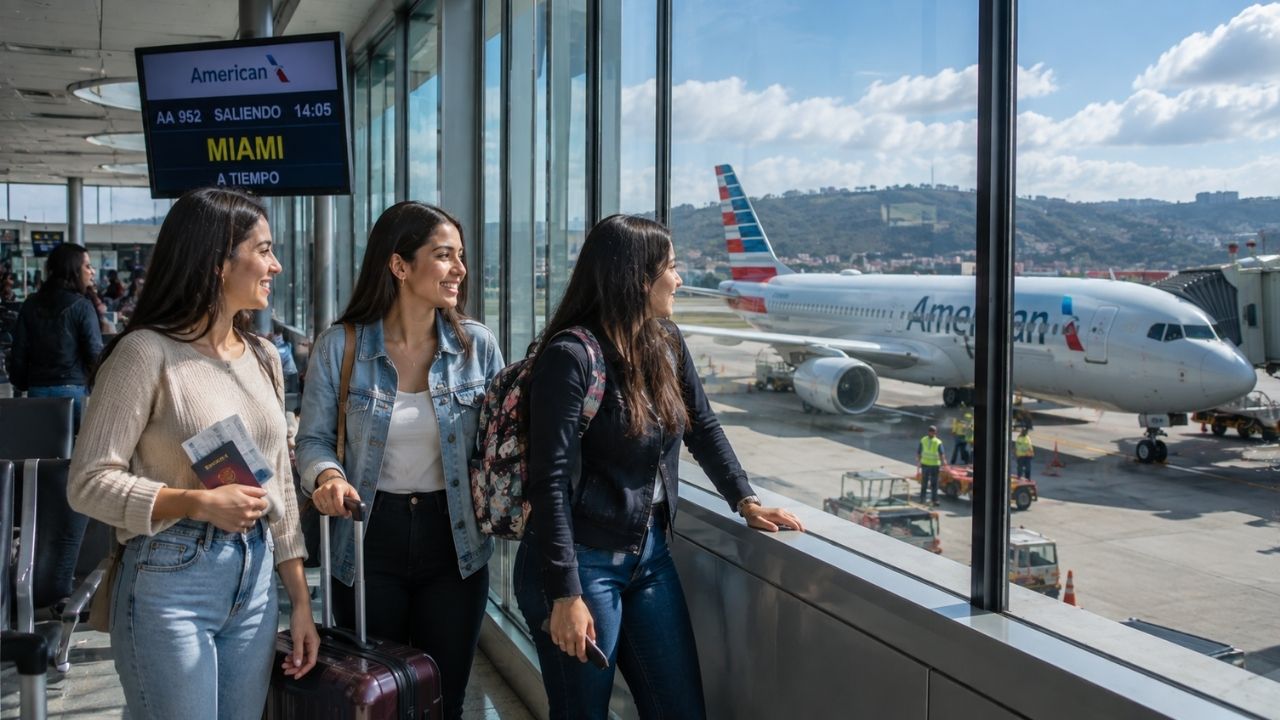
Image generated by AI
Reconnecting the United States with Venezuela's primary gateway, American Airlines is preparing to resume nonstop flights between Miami and Caracas.
The international aviation sector in South America is enters a phase of recovery as carriers restore routes impacted by natural disasters. Official airline schedules confirm that nonstop flights between Miami International Airport and Simón Bolívar International Airport in Caracas are set to resume on September 3, 2026. The flight operations were suspended after earthquake-related disruptions damaged infrastructure and affected airport systems in the Venezuelan capital. The return of direct air service represents a step for regional mobility, family reconnections, and the recovery of Venezuela's tourism economy.
Miami–Caracas Resumption: Restoring the Gateway Link
For many years, the direct connection between Florida and Caracas has served as the primary route linking North and South America. The route supports tourist travel, business commuting, and Venezuelan communities living in the United States. American Airlines has historically played a central role in maintaining this transit corridor, helping coordinate flight connections through its primary hub at Miami International Airport.
Prior to the recent earthquake, the carrier had worked to expand its Venezuelan network, introducing flights to the city of Maracaibo. The resumption of the Caracas route is expected to restore this network stability, offering travel options for passengers who rely on direct transit. The return of commercial service follows inspections by aviation safety boards to verify that the airport infrastructure meets international safety requirements.
Maiquetía Infrastructure: Recovery after Earthquake Disruptions
Simón Bolívar International Airport, commonly known as Maiquetía International Airport, serves as the main gateway to the capital city. The airport experienced temporary suspensions when regional earthquakes impacted ground utilities and terminal facilities. Recovery efforts coordinated by airport engineers have focused on repairing structural damage and restoring municipal power supplies to the runways.
During the operational shutdown, the carrier implemented travel flexibility guidelines, allowing passengers to modify their bookings without change fees. The airline also arranged humanitarian flights to support affected communities and coordinate relief logistics. The planned return of commercial passenger flights indicates that safety compliance has been achieved.
Rebuilding Tourism Confidence: Reconnecting Angel Falls and Canaima
For Venezuela's tourism sector, restoring direct air access is key to rebuilding international visitor confidence. Caracas serves as the primary hub where incoming travelers connect with domestic flights to outlying national parks. Improved air transit makes it simpler to explore the country's diverse natural environments, which include Caribbean beaches and Andean mountain ranges.
A primary destination for adventure travelers is Angel Falls, located within the boundaries of Canaima National Park. Reconnecting Caracas with Miami helps simplify travel plans for international tour groups visiting the waterfall. The tourism industry is preparing to welcome visitors back, using the resumed flights to promote eco-tourism and nature conservation.
Strategic Gateway Status: Miami's Connection with Latin America
Miami International Airport remains a major gateway for air transit to South America, connecting corporate and leisure travelers with regional destinations. Restoring the Caracas route allows passengers to access onward connections to other US cities and international flights. This network integration supports trade, cultural exchanges, and personal relationships between the two countries.
For Venezuela, maintaining reliable access to Miami provides an avenue for shipping goods and coordinating international business operations. The route also allows students and families to travel between the regions with reduced transit times. Re-establishing the flight helps stabilize international travel patterns across the Caribbean corridor.
Supporting Local Communities and Pemón Eco-Tourism
Travelers visiting remote national parks can support local economies by hiring local guides and booking accommodations directly with indigenous communities. In Canaima, the Pemón indigenous people serve as the primary caretakers of the park, managing wilderness lodges and guiding boat trips to the base of Angel Falls. Supporting these local businesses helps ensure that tourism revenue directly benefits the community.
Additionally, eco-tourism projects focus on preserving the delicate Amazonian ecosystems and native flora. Travelers are encouraged to minimize waste, respect local customs, and purchase handicrafts directly from community cooperatives. These sustainable choices support the long-term conservation of Venezuela's natural heritage.
Practical Travel Advice and Local Insider Tips
Travelers planning to book flights to Caracas can prepare with these recommendations:
- Visit Angel Falls in the Late Rainy Season: Schedule your trip between September and November. The water volume is at its peak, making the river routes navigable and the falls highly impressive.
- Try Arepa Reina Pepiada in Caracas: Visit local cafes (areperas) to try the classic grilled cornmeal cake stuffed with chicken salad, mayonnaise, and fresh avocado.
- Request Permission Before Photography: When visiting indigenous Pemón villages in Canaima, always speak with the community elders and ask for permission before photographing residents.
- Explore Galipán on Mount Ávila: Take the Caracas cable car early in the morning to Mount Ávila, then walk to the quiet historic village of Galipán to visit local flower farms and enjoy ocean views.
- Check Airport Flight Status Daily: Keep in contact with the airline before departing for Miami or Caracas, as flight schedules remain dependent on final airport inspections.
Venezuela Flight Connections and Tourism Status Matrix
| Route Hub / Connection | Expected Resumption Date | Key Gateway Airport | Target Tourism Highlights |
|---|---|---|---|
| Miami – Caracas | September 3, 2026 (nonstop) | Simón Bolívar International (CCS) | Angel Falls, Mount Ávila, beaches |
| Miami – Maracaibo | Pre-existing direct route | La Chinita International (MAR) | Lake Maracaibo lightning, regional trade |
| Canaima Regional | Connecting local flights | Canaima Airport (CAJ) | Pemón guides, eco-lodges, waterfall |
| Mount Ávila Access | Teleférico cable car system | Caracas valley station | Galipán village, ocean views, hiking |
| Caribbean Coast | Regional overland transport | Maiquetía coastal highway | Los Roques archipelago, beach resorts |
Frequently Asked Questions
When will American Airlines resume its Caracas flights?
American Airlines plans to resume nonstop flights between Miami and Caracas starting September 3, 2026, depending on airport operational status.
Which airport serves the Venezuelan capital city?
Caracas is served by Simón Bolívar International Airport, commonly referred to as Maiquetía International Airport, located on the northern coast.
Why were direct flight operations to Caracas temporarily suspended?
Operations were suspended due to infrastructure damage and operational disruptions caused by recent earthquake activity around the capital city.
What are the primary natural attractions for travelers in Venezuela?
Key attractions include Angel Falls in Canaima National Park, Caribbean coastal beaches, tropical rainforest ecosystems, and the Andes mountain range.
The Long-Term Direction of Venezuelan Aviation
The return of American Airlines to Caracas represents a milestone in the recovery of Venezuela's aviation sector. Re-establishing international routes helps rebuild connections with regional travel markets, promoting economic growth and supporting local tourism providers. As infrastructure repairs continue, cooperation between airlines, aviation agencies, and environmental groups will remain essential for ensuring safe travel. For international visitors, the restored Miami–Caracas route provides a convenient link to explore Venezuela's cultural heritage and natural parks.
By supporting certified local guides and choosing sustainable travel options, passengers can help preserve Venezuela's unique ecosystems for future generations.
Related Travel Guides
Disclaimer
This article is for informational and educational purposes only. It does not constitute legal, financial, or professional advice. While we strive to provide accurate and up-to-date information, travel policies, regulations, and conditions change rapidly. Always verify information with official sources before making travel decisions. Nomad Lawyer makes no representations about the accuracy, reliability, completeness, or suitability of the information provided. Readers should consult qualified professionals for advice specific to their circumstances. The views expressed in this article are those of the author and do not necessarily reflect the views of Nomad Lawyer.
Raushan Kumar
Founder & Lead Developer
Full-stack developer with 11+ years of experience and a passionate traveller. Raushan built Nomad Lawyer from the ground up with a vision to create the best travel and law experience on the web.
Learn more about our team →