
Uzbekistan Tourism Strategy 2026: Preserving Silk Road Heritage and UNESCO Sites
Uzbekistan is launching a visionary 2026-2027 tourism strategy centered on the preservation of its UNESCO Silk Road sites, including 31 mega-projects to safeguard Samarkand, Bukhara, and Khiva.

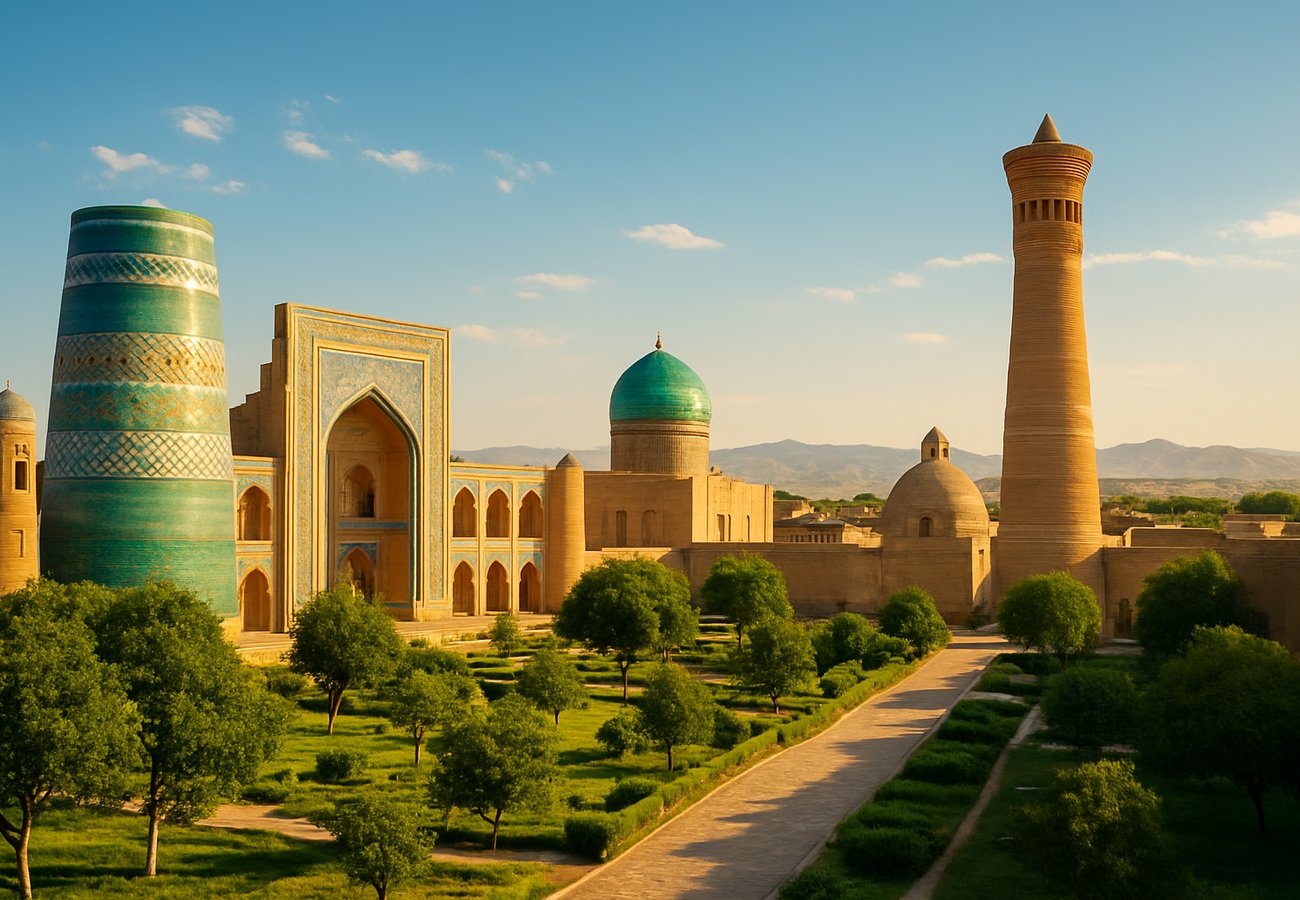
Image generated by AI
Quick Summary
- Heritage Focus: Uzbekistan’s 2026-2027 roadmap prioritizes the safeguarding of ancient Silk Road stops, including Samarkand, Bukhara, and Khiva.
- Mega-Projects: The government is implementing 31 large-scale tourism projects designed to integrate cultural preservation with modern visitor infrastructure.
- Cultural Routes: New designated travel corridors will connect UNESCO sites to ensure sustainable visitor flow and prevent over-tourism in sensitive zones.
- Economic Empowerment: The strategy emphasizes community involvement, providing training and career pathways for local artisans, craftspeople, and specialized tour guides.
Uzbekistan is fundamentally repositioning itself as the global epicenter of Silk Road heritage tourism in 2026. By launching a comprehensive development plan that includes 31 strategic mega-projects, the Uzbek government is ensuring that its ancient architectural wonders—from the cerulean tiles of Registan Square to the desert citadels of Khiva—are not only accessible but meticulously preserved. The vision moves beyond simple sightseeing, aiming to create a sustainable ecosystem where high-speed rail connectivity and smart tourism technologies protect the historical integrity of these UNESCO sites. By empowering local communities as the primary custodians of their cultural identity, Uzbekistan is crafting a tourism model that balances rapid economic growth with the profound responsibility of safeguarding Central Asia’s millenary legacy.
Uzbekistan Tourism Development 2026-2027: Heritage Preservation and Infrastructure Milestones
The following table summarizes the key components of Uzbekistan’s national tourism strategy.
| Strategic Component | Core Objective | Key Locations | Technological Integration |
|---|---|---|---|
| UNESCO Site Safeguarding | Restoration & Monitoring | Samarkand, Bukhara, Khiva | Smart Visitor Management |
| 31 Mega-Projects | Infrastructure & Preservation | Nationwide Hubs | Energy-Efficient Hotels |
| Cultural Routes | Connecting Ancient Citadels | Silk Road Corridors | Digital Itinerary Systems |
| Archaeological Research | New Discoveries & Research | Fergana Valley, Burial Sites | 3D Preservation Mapping |
| Sustainable Logistics | Eco-Friendly Transport | High-Speed Rail Network | Smart Traffic Control |
| Community Engagement | Artisan Support & Training | Historic Centers | Craftsmanship Certification |
Silk Road Legacy: Preserving the Heart of Samarkand, Bukhara, and Khiva
Uzbekistan’s most iconic landmarks are at the center of the 2026 preservation effort:
- Samarkand: Home to Registan Square, efforts focus on advanced tile restoration and seismic monitoring of its monumental madrasahs.
- Bukhara: The "Historic Centre" is benefiting from visitor management systems designed to distribute foot traffic away from sensitive madrasahs and mosques.
- Khiva: Itchan Kala, the inner fortress, is being preserved as a "living museum," balancing modern residence needs with 18th-century architectural integrity.
The 31 Mega-Projects: Integrating Culture into National Tourism
The government has committed to a series of large-scale developments for 2026-2027:
- Holistic Integration: These projects weave historical preservation into every touchpoint of the traveler’s journey, from the moment they land at new international airports to their stays in luxury boutique heritage hotels.
- Archaeological Funding: A significant portion of the budget is allocated to ongoing excavations in the Fergana Valley and other Silk Road waypoints to uncover "lost" facets of Central Asian history.
- Smart Tourism: Uzbekistan is implementing technologies that allow for real-time monitoring of human impact on ancient structures, ensuring that visitor density remains within safe thresholds.
Sustainable Cultural Routes: Connecting Ancient Monuments Responsibly
A new network of "Cultural Routes" is being established to diversify the visitor experience:
- Silk Road Corridors: These routes connect lesser-known monuments with major hubs, encouraging travelers to explore the full geographical depth of Uzbekistan’s history.
- Over-Tourism Mitigation: By promoting a wider range of sites, the government prevents the concentration of crowds in single locations, protecting the physical and social fabric of Samarkand and Bukhara.
- Eco-Friendly Stays: Along these routes, new energy-efficient hospitality projects are being developed to minimize the carbon footprint of cultural tourism.
Community-Led Preservation: The Role of Artisans and Local Guides
The strategy places the people of Uzbekistan at the forefront of heritage tourism:
- Artisan Support: Local craftspeople receive government backing to preserve traditional silk weaving, pottery, and woodcarving techniques.
- Certification Programs: A new standard for tour guides ensures that historical narratives are accurate and emphasize the universal value of UNESCO sites.
- Local Revenue: Reinvestment models ensure that tourism proceeds directly fund the maintenance of neighborhood historical landmarks.
Modern Infrastructure: Smart Technologies and High-Speed Rail Integration
Uzbekistan is leveraging modern engineering to protect its past:
- High-Speed Rail: The expansion of the "Afrosiyob" train network reduces the need for short-haul flights and heavy bus traffic near historic centers.
- International Hubs: New airport developments are designed to be gateways that reflect the aesthetic of the regions they serve while providing global standard efficiency.
- Reinvestment: All modern development includes a mandatory fee that is funneled back into the national cultural heritage fund.
FAQ: Uzbekistan Tourism Strategy 2026
What are the most important UNESCO sites in Uzbekistan? The most iconic sites include Registan Square in Samarkand, the Historic Centre of Bukhara, and Itchan Kala in Khiva.
How is Uzbekistan preventing over-tourism? The government is creating "Cultural Routes" to redistribute visitor flow and implementing smart visitor management systems at the most popular monuments.
Can I visit active archaeological sites in Uzbekistan? Yes, many 2026-2027 projects include designated zones where tourists can observe ongoing excavations and learn about the Silk Road’s history from onsite experts.
Related Travel Guides
Disclaimer
This article is for informational and educational purposes only. It does not constitute legal, financial, or professional advice. While we strive to provide accurate and up-to-date information, travel policies, regulations, and conditions change rapidly. Always verify information with official sources before making travel decisions. Nomad Lawyer makes no representations about the accuracy, reliability, completeness, or suitability of the information provided. Readers should consult qualified professionals for advice specific to their circumstances. The views expressed in this article are those of the author and do not necessarily reflect the views of Nomad Lawyer.
Kunal K Choudhary
Co-Founder & Contributor
A passionate traveller and tech enthusiast. Kunal contributes to the vision and growth of Nomad Lawyer, bringing fresh perspectives and driving the community forward.
Learn more about our team →