
Fergana Valley and Nukus Expand Uzbekistan Cultural Tourism Circuit
Uzbekistan is diversifying beyond Samarkand, developing craft tourism in Fergana Valley and promoting Nukus's Savitsky Art Museum.
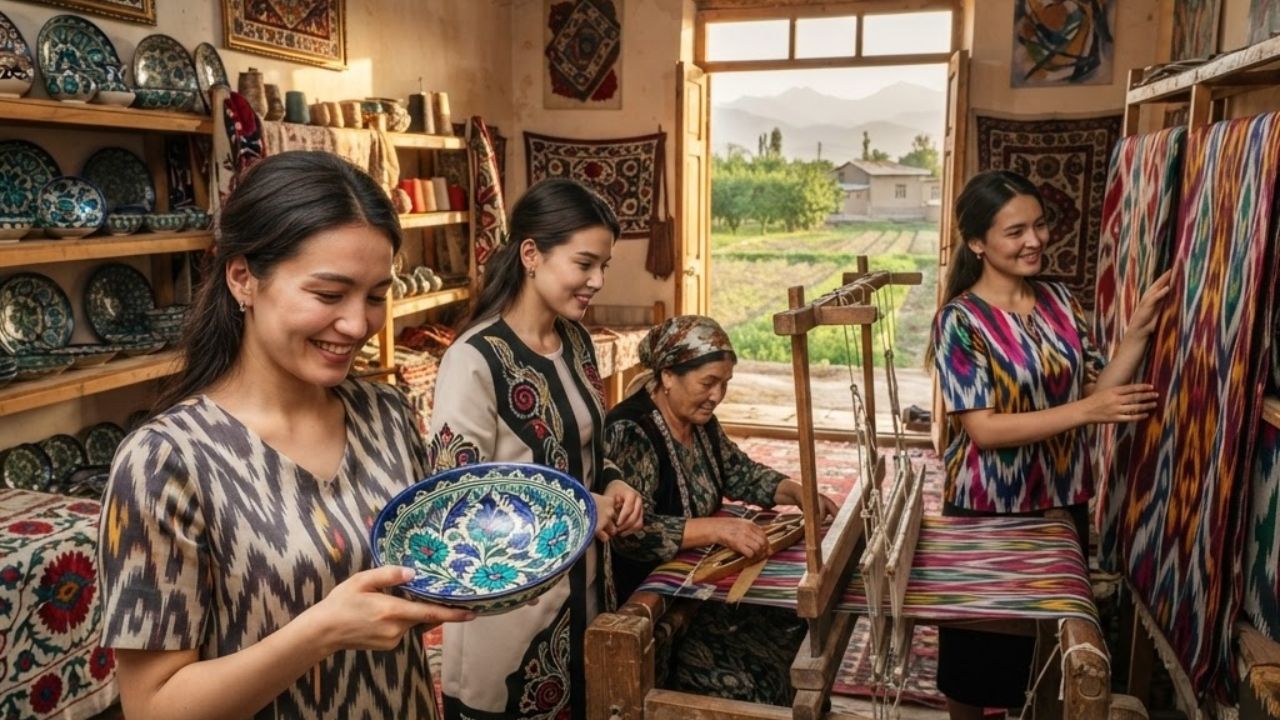
Image generated by AI
Expanding tourism beyond the classic Silk Road cities, Uzbekistan is developing silk and ceramic craft hubs in the Fergana Valley and promoting the Savitsky Museum in Nukus.
The Core Transit Update
Regional rail corridors, national highway loops, and desert transit roads in Uzbekistan are branching out to secondary cultural destinations. To diversify visitor patterns away from Tashkent, Samarkand, and Bukhara, Uzbekistan’s Tourism Committee is funding infrastructure in the eastern Fergana Valley and the western republic of Karakalpakstan.
On January 12, 2026, the government approved the Fergana tourist and recreational zone, a 2,396-hectare development with a 30-year operational period focused on agrotourism, reservoirs, and mountain retreats. This complements the 35-hectare Burhanuddin Margilani Tourism Complex in Margilan (developed for silk weaving) and ceramic mahallas in Rishtan. In western Nukus, the Savitsky State Museum of Arts—which holds around 100,000 exhibits and the second-largest collection of Russian avant-garde art in the world—has become the anchor for desert and archaeological tourism in Karakalpakstan, following the "Destination Karakalpakstan 2026" conference on April 23, 2026.
Cultural Regions & Tourism Milestones
Planning a trip through Uzbekistan's eastern and western regions requires comparing local craft specialties and tracking infrastructure timelines. The following tables outline Uzbekistan's emerging cultural regions and detail the tourism development milestones.
| Emerging Travel Region | Key Stated Destination Hubs | Stated Cultural Asset & Specialty | Primary Tourism Facility |
|---|---|---|---|
| Fergana Valley (East) | Margilan, Rishtan, Andijan, Namangan | Silk weaving, ceramics, & agrotourism | 35-hectare Burhanuddin Margilani Complex |
| Karakalpakstan (West) | Nukus (state gateway) | Russian avant-garde & Karakalpak art | Savitsky State Museum of Arts (100k exhibits) |
Uzbekistan's emerging cultural tourism regions.
| Milestone Date (2026) | Stated Tourism Development | Primary Location | Stated Initiative Details |
|---|---|---|---|
| January 12, 2026 | Tourist zone approval | Fergana Province | 2,396-hectare zone (30-year operational period) |
| April 23, 2026 | Destination Karakalpakstan '26 | Nukus city center | International promotion event for Karakalpakstan |
| June 11–13, 2026 | Craft & village familiarisation | Valley districts | Ceramic workshops in Rishtan & tourist villages |
Milestones in Uzbekistan's cultural tourism expansion.
Traveler Logistics Guide
From a ground-level perspective, the best way to navigate this is to take the high-speed passenger train from Tashkent through the Kamchik Tunnel to reach Margilan or Kokand in the Fergana Valley, as the rail corridor is safer and more reliable than driving the narrow mountain pass highway, particularly during seasonal weather shifts. Checking train schedules is recommended.
To plan your eastern and western journeys:
- Allow Safe Connecting Windows: Nukus is located in remote Karakalpakstan. If connecting via air from Tashkent International Airport (TAS) to Nukus International Airport (NCU), allow at least four hours to manage luggage checks and domestic transfers.
- Observe Artisan Studio Etiquette: When visiting pottery studios in Rishtan (like the Mingboshi workshop) or silk factories in Margilan, ask for permission before filming or photographing weavers and potters at work.
- Keep Museum Tickets Ready: The Savitsky Museum in Nukus charges separate fees for photography permits. Buy these at the entrance desk before entering the exhibition rooms.
- Book Village Guesthouses Early: Tourist villages in Namangan and Andijan have limited guest room inventory. Coordinate with local travel agencies to secure accommodation before departure.
Infrastructure Impact Assessment
The establishment of protected tourist recreation zones and the restriction of heavy diesel trucks near heritage sites safeguard rural valleys and historic Karakalpak desert fortresses from exhaust erosion and acoustic disruption.
By directing traveler spending directly to local silk weavers in Margilan, ceramic artists in Rishtan, and community homestays in Andijan, the expanded tourism program supports rural family business development, funds Karakalpakstan archaeological preservation (such as the Mizdaxkon necropolis), and ensures that traditional crafts are sustained.
Related Travel Guides
Uzbekistan Expands Visa-Free Entry for US and Gulf Passports in 2026
Shravani Mela 2026 Deoghar Travel Tips and Logistics Guide
10 Best Travel Tips for Exploring the Fergana Valley, Visiting the Savitsky Museum in Nukus, and Booking Kamchik Tunnel Trains, According to Reddit
Disclaimer
This article is for informational and educational purposes only. It does not constitute legal, financial, or professional advice. While we strive to provide accurate and up-to-date information, travel policies, regulations, and conditions change rapidly. Always verify information with official sources before making travel decisions. Nomad Lawyer makes no representations about the accuracy, reliability, completeness, or suitability of the information provided. Readers should consult qualified professionals for advice specific to their circumstances. The views expressed in this article are those of the author and do not necessarily reflect the views of Nomad Lawyer.