
Utrecht Netherlands Becomes Europe's Top Cycling Hub with 420km of Dedicated Paths in 2026
Utrecht is redefining sustainable urban tourism in 2026, offering visitors a massive 420km network of bicycle paths and the world's largest indoor bike parking facility.

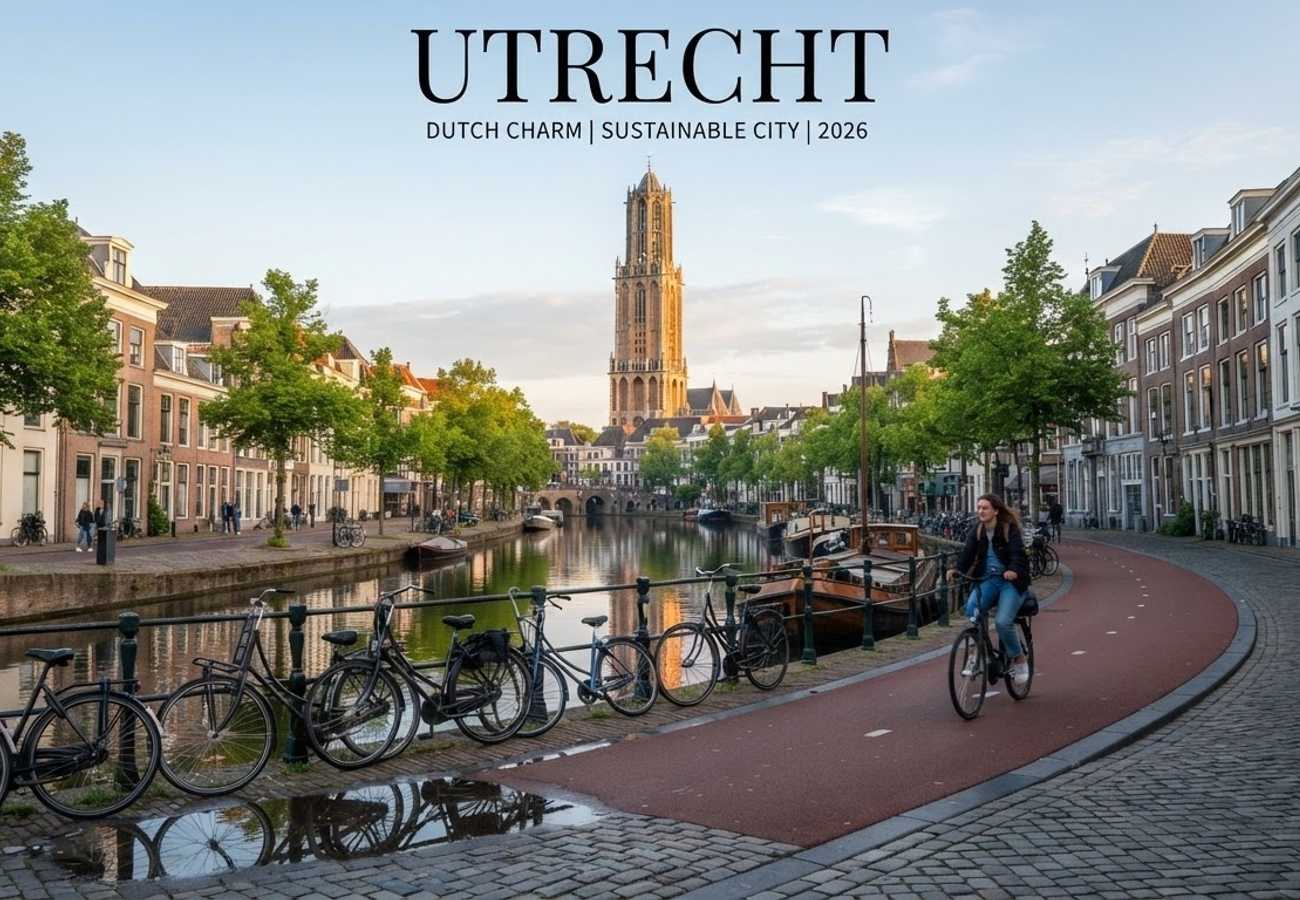
Image generated by AI
Utrecht has solidified its status as the gold standard for urban mobility, boasting 420 kilometres of dedicated bicycle paths. The city now anchors its tourism strategy around a world-record indoor parking facility capable of housing 12,500 bicycles.
The Shift Toward Active Urban Exploration
Utrecht is no longer just a stopover between Amsterdam and Rotterdam; it has emerged as a primary destination for travellers seeking an authentic Dutch experience. The current trend reflects a broader shift in European tourism, where visitors are abandoning traditional coach tours and crowded public transport in favour of "slow travel."
By integrating cycling into the core visitor experience, Utrecht allows tourists to navigate the city at their own pace. This movement toward active holidays is driven by a desire for wellness and environmental responsibility. For the visitor, the real impact is the ability to transition seamlessly from the rail hub at Utrecht Central Station to the city's medieval heart without ever needing a car.
Infrastructure That Defines a City
The scale of Utrecht's commitment to two-wheeled transport is evident in its engineering. The city's network is not merely a collection of painted lines on roads, but a sophisticated system of 420 kilometres of dedicated paths designed for safety and accessibility.
The crown jewel of this infrastructure is the indoor bicycle parking facility near Utrecht Central Station. With a capacity for 12,500 bicycles, it is the largest of its kind globally. This facility solves the primary pain point of urban cycling—secure parking—allowing international travellers to rent bikes with confidence.
Core Cycling Advantages for 2026 Visitors
| Feature | Detail | Visitor Benefit |
|---|---|---|
| Path Network | 420+ Kilometres | Seamless connection between city and countryside |
| Parking Hub | 12,500 Bike Capacity | World-leading security for rented or personal bikes |
| Accessibility | Central Station Integration | Instant transition from train to bike |
| Route Variety | Urban & Regional | Access to hidden villages and heritage sites |
Cultural & Environmental Value
Cycling in Utrecht is an exercise in cultural immersion. While walking limits a visitor to the immediate vicinity of hotels and major landmarks, a bicycle opens up the residential quarters and quiet alleyways where authentic Dutch life unfolds.
From a sustainability perspective, this model reduces the carbon footprint of tourism and alleviates the pressure on the city's historic center. By diverting traffic away from cars, the city preserves its medieval architecture and enhances the air quality for both residents and guests. The experience extends beyond the city limits, where regional trails connect visitors to ancient castles and rural landscapes, directly supporting local economies in smaller villages that are often bypassed by traditional tour groups.
Visitor Insider Tips
To navigate Utrecht like a local and avoid the common pitfalls of tourist cycling, keep these insider details in mind:
- The "Right of Way" Logic: In the Netherlands, cyclists generally have priority over cars, but pedestrians always have priority over cyclists in shared zones. Always yield to those on foot.
- Off-Peak Windows: To avoid the heavy "commuter rush" on the main paths, plan your city excursions between 10:00 AM and 3:00 PM.
- The Canal Secret: While the main canals are beautiful, venture toward the Oudegracht (Old Canal) to see the unique wharf cellars—many of which are now cafes and boutiques accessible via the water level.
- Rental Strategy: For those planning to leave the city center for the countryside, opt for an e-bike. The Dutch terrain is flat, but the wind can be a significant factor on longer regional journeys.
- Etiquette: Never stop abruptly in the middle of a cycle path to take a photo. Pull completely to the side to avoid causing a "bike jam."
Tourism Outlook
The long-term trajectory for Utrecht is one of "future-ready" tourism. By positioning itself as a hub for sustainable, active travel, the city is attracting a higher-value demographic of environmentally conscious travellers. This shift ensures that tourism growth does not come at the expense of the city's livability. As more European cities struggle with over-tourism and traffic congestion, Utrecht's model of integrated cycling infrastructure serves as a blueprint for the rest of the continent.
Utrecht proves that when a city prioritizes the pedal over the piston, the result is a more breathable, accessible, and authentic destination.
Related Travel Guides
Disclaimer
This article is for informational and educational purposes only. It does not constitute legal, financial, or professional advice. While we strive to provide accurate and up-to-date information, travel policies, regulations, and conditions change rapidly. Always verify information with official sources before making travel decisions. Nomad Lawyer makes no representations about the accuracy, reliability, completeness, or suitability of the information provided. Readers should consult qualified professionals for advice specific to their circumstances. The views expressed in this article are those of the author and do not necessarily reflect the views of Nomad Lawyer.
Kunal K Choudhary
Co-Founder & Contributor
A passionate traveller and tech enthusiast. Kunal contributes to the vision and growth of Nomad Lawyer, bringing fresh perspectives and driving the community forward.
Learn more about our team →