
Clockwork Under Pressure: Navigating the Netherlands Rail Network Beyond the Randstad
Suspected sabotage across 30 Dutch rail sites disrupted 3,000 passengers in Zwolle, Deventer, and Amersfoort. Here is how to navigate train travel and explore historic Hanseatic cities.

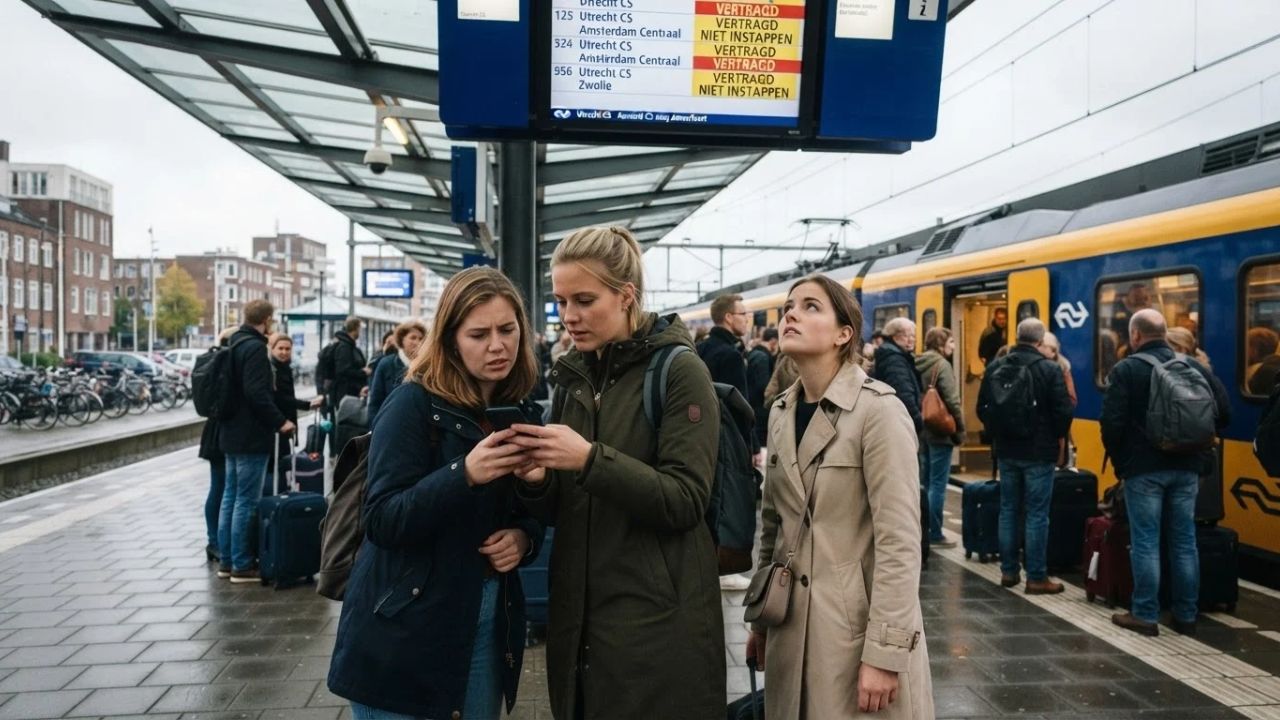
Image generated by AI
The Netherlands operates the third most densely utilized passenger rail network on the planet, dispatching high-frequency double-decker intercity trains every ten minutes with near-algorithmic precision—yet on Tuesday, coordinated track interference across roughly 30 separate railway locations brought central and eastern transit corridors to a sudden halt, stranding approximately 3,000 travelers around key junction cities on the very day ceremonial government assemblies filled the streets of The Hague. For international travelers accustomed to viewing the country solely through the narrow lens of Amsterdam canal loops or Schiphol Airport transit lounges, the incident revealed an essential truth about modern Dutch life: the real engine of national mobility beats along the steel rails connecting the western Randstad to historic eastern provinces. When foreign materials intentionally placed on tracks fractured this synchronized network, commuters, business travelers, and cross-country wanderers faced delayed journeys and abrupt cancellations. Navigating through these rare disruptions offers an unexpected gift to curious travelers, unlocking access to medieval Hanseatic trading ports, canal-encircled fortifications, and river valleys that tourist crowds rarely experience.
Coordinated Track Disruption: Inside the Investigation Across Central and Eastern Hubs
The disruption began during the morning commuter rush on Tuesday when track maintenance teams and automated rail monitoring sensors flagged foreign materials placed across active tracks at multiple locations throughout the country. Safety inspectors and infrastructure authorities determined that the items had been positioned deliberately, immediately raising concerns of intentional sabotage against national transit systems. Investigations quickly identified suspected interference at around 30 railway locations, with some regional corridors reporting multiple affected spots along a single stretch of track.
Police investigators and transport security officials launched a nationwide criminal inquiry into the incident, collecting physical evidence and securing affected track sections. Transport authorities confirmed that no organisation or individual has claimed responsibility, and investigators have not confirmed who carried out the disruptions or established a clear motive behind the coordinated actions.
The operational impact fell hardest on the country's central and eastern arteries, directly affecting roughly 3,000 passengers during peak transit hours. The major junction city of Amersfoort—the central pivot that distributes train traffic between Amsterdam, Utrecht, and the eastern frontiers—saw platform schedules unravel within minutes. Further east, Zwolle, the primary northern rail interchange that funnels travelers toward Friesland and Groningen, and Deventer, the vital rail crossing over the broad IJssel River, faced widespread cancellations, extended delays, and unexpected route revisions. Delays also rippled into western regions, interrupting connections between Dutch cities, airports, and regional transport terminals.
Compounding the pressure on the national network, the disruptions coincided with a major national government event in The Hague, where large crowds gathered for official state ceremonies. Although the physical blockages occurred primarily in eastern and central sectors, the timing added acute strain to an already crowded transit grid. As forensic teams concluded evidence gathering, railway infrastructure crews carried out rigorous safety checks and track inspections, systematically clearing foreign materials and assessing line conditions before gradually restoring scheduled passenger services later in the day.
What Makes the Dutch Rail Network and Eastern Provinces Different
To understand why track interference at 30 sites could paralyze movement for 3,000 passengers so rapidly, one must understand the unique architecture of Dutch transportation. The Netherlands runs an integrated clockwork timetable, known locally as the dienstregeling, where trains do not merely run on schedules—they connect with synchronized platform transfers across dozens of interchange hubs every fifteen to thirty minutes. When a junction like Amersfoort or Zwolle stalls, rolling stock and train crews cannot reach their next scheduled routes, triggering a cascading chain reaction that ripples outward across the nation.
Yet boarding an NS Intercity train eastward beyond Amersfoort carries travelers into a territory that feels worlds away from the crowded tourist zones of North Holland. This is the historic IJssel River corridor, where medieval trade routes gave birth to the Dutch Hanseatic League long before Amsterdam rose to global prominence. Cities like Zwolle and Deventer flourished from the 13th to the 16th centuries as wealthy commercial powerhouses, exchanging Baltic timber, Rhine wine, Flemish cloth, and grain.
Walking into Deventer from its rail station feels like stepping into living history. The city boasts one of the oldest surviving brick houses in the Netherlands, dating back to 1100. Cobblestone lanes lined with 14th-century merchant residences wind toward the Brink, an expansive, tree-shaded central plaza that has hosted weekly open-air markets continuously for over eight centuries. Overhead towers the Gothic Lebuïnuskerk, whose massive sandstone tower provides sweeping views across the meandering IJssel and surrounding river meadows.
Just twenty minutes up the line lies Zwolle, an ancient fortified city enclosed by an intact star-shaped canal moat. Travelers arriving at Zwolle station can walk five minutes to the majestic Sassenpoort, a formidable four-towered brick city gate erected in 1409, complete with defensive machicolations and soaring slate turrets. Inside the defensive ring, medieval monastery chapels and historic merchant mansions have been reborn into contemporary cultural spaces, such as Waanders in de Broeren, an awe-inspiring independent bookstore housed inside a soaring 15th-century Dominican church. Unlike the commercial souvenir strips of central Amsterdam, these eastern cities preserve authentic Dutch civic warmth, neighborhood bakeries, and historic street markets where local life continues uninterrupted.
Visitor Insider Tips: Navigating Delays, Rerouting, and Local Etiquette
Experiencing the Netherlands through its passenger rail system offers unparalleled freedom, provided travelers know how to adapt when unexpected disruptions emerge. Official tourism guidance from Visit Netherlands highlights the simplicity of domestic train travel, but local knowledge makes all the difference when schedules falter.
- Check Real-Time Transit Applications Instantly: Never rely on generic international transit apps or printed platform timetables during an incident. Download the official Nederlandse Spoorwegen mobile app and the nationwide 9292 trip planner. The NS app updates disruption notices within seconds, displaying alternative rail itineraries, platform relocations, and the locations of emergency rail-replacement buses (snelbussen for express highway routes, stopbussen for local intermediate stations).
- Master Contactless OVpay Protocols: Foreign visitors no longer need to buy single disposable paper tickets or purchase anonymous plastic OV-chipkaart cards. You can tap directly in and out at station fare gates and free-standing platform card readers using your contactless physical debit card, credit card, or digital wallet on a smartphone or smartwatch. Remember the golden rule: you must tap out with the identical card or device at your final destination station, or the transit system charges a penalty fee.
- Rent an OV-fiets for Short-Hop Detours: When a junction station faces extended delays, do what the Dutch do: turn to pedal power. At virtually every Dutch railway station, passenger transport authorities provide fleets of sturdy yellow-and-blue OV-fiets bicycles. If you hold a registered transit profile or speak to the station bike concession desk, renting a bicycle allows you to bypass bus lines, explore nearby historic canal paths, or ride comfortably between neighboring towns like Deventer and Zutphen along designated river dikes.
- Sample Regional Hanseatic Specialties During Layovers: If your train connection in Deventer or Zwolle faces delays, treat it as a culinary opportunity. In Deventer, walk to the historic tearooms on the Brink to sample authentic Deventer Koek, a fragrant, spiced honey cake baked according to secret guild recipes since the Middle Ages. In Zwolle, visit traditional sweet shops for Zwolse balletjes, classic pillow-shaped sugar candies that have been boiled in copper kettles in town since 1845.
- Bypass Bottlenecks Via Southern Transit Loops: If central bottlenecks at Amersfoort or Zwolle block direct east-west movement toward Schiphol or The Hague, look for bypass alternatives. Travelers can often detour south via Arnhem Centraal and Utrecht, or catch regional sprinter trains operated by regional transit carriers that run on separate branch lines not impacted by mainline disruptions.
Cultural and Environmental Context: Public Transit Reliance and Civic Resilience
The coordinated disruption across 30 track locations touches a sensitive nerve in Dutch society because public rail transit is not merely an optional travel convenience; it is the physical foundation of modern Dutch environmental policy and urban planning. The Netherlands has intentionally organized its spatial development around public transit corridors, keeping highways manageable and preserving open green spaces between urban nodes.
The environmental benefits of this system are profound. Since 2017, all electric passenger trains operated by Nederlandse Spoorwegen run on 100% wind energy generated from domestic and European wind farms, making train travel through the Low Countries one of the lowest-carbon transit methods in the world. By taking trains instead of rental cars, visitors actively protect fragile natural reserves like the ancient oak woodlands and heathlands of the Veluwe, which sits directly between Amersfoort and the eastern river valley.
At the same time, this extreme efficiency creates mutual vulnerability. With hundreds of thousands of people moving by train daily, intentional damage to switch tracks, overhead cables, or trackbeds disrupts schools, businesses, and international tourist itineraries simultaneously. The swift response by infrastructure teams and local police reflects a national determination to defend open, democratic transit infrastructure against external threats.
Along the historic IJssel cities, local communities take active measures to preserve their architectural heritage and fragile river environments. Several regional water defense structures and historic canal fortifications along the eastern borders connect with the protective heritage models recognized by the UNESCO World Heritage Centre. In cities like Deventer and Zwolle, municipal rules keep medieval street networks car-free, giving priority to pedestrians and bicycles. When travelers navigate unexpected delays with patience and understanding, they participate directly in this cooperative civic culture.
FAQ: Navigating the Netherlands by Train in 2026
What should I do if my Dutch train service is cancelled or delayed? Check the official NS app for real-time rerouting options and platform updates. If train lines are suspended, follow station signage toward dedicated replacement bus bays located outside main station exits.
How do foreign visitors pay for train travel in the Netherlands? Foreign travelers can use OVpay by tapping a contactless credit card, debit card, or smartphone at station gates before boarding and tapping out at their destination.
Why should travelers visit eastern cities like Zwolle and Deventer? Zwolle and Deventer are historic Hanseatic League trading cities featuring preserved 14th-century merchant houses, medieval defensive gates, tranquil canal moats, and vibrant culinary traditions without tourist crowds.
How long does the train journey take from Amsterdam to Zwolle? Direct NS Intercity trains connect Amsterdam Centraal or Amsterdam Zuid to Zwolle in roughly one hour under normal schedules, running multiple times each hour.
When unexpected delays slow the rails of the Low Countries, the wise traveler steps off the platform and discovers that the soul of the Netherlands lives along the quiet cobblestones of the IJssel.
Related Travel Guides
Disclaimer
This article is for informational and educational purposes only. It does not constitute legal, financial, or professional advice. While we strive to provide accurate and up-to-date information, travel policies, regulations, and conditions change rapidly. Always verify information with official sources before making travel decisions. Nomad Lawyer makes no representations about the accuracy, reliability, completeness, or suitability of the information provided. Readers should consult qualified professionals for advice specific to their circumstances. The views expressed in this article are those of the author and do not necessarily reflect the views of Nomad Lawyer.
Raushan Kumar
Founder & Lead Developer
Full-stack developer with 11+ years of experience and a passionate traveller. Raushan built Nomad Lawyer from the ground up with a vision to create the best travel and law experience on the web.
Learn more about our team →