
USA September 2026 Travel Guide: Must-See Cultural Festivals, Music Hubs, and Harvest Events
Explore the USA in September 2026 with our curated guide to the Aloha Festivals in Hawaii, California music weekends, New Mexico harvests, and southern food tours.

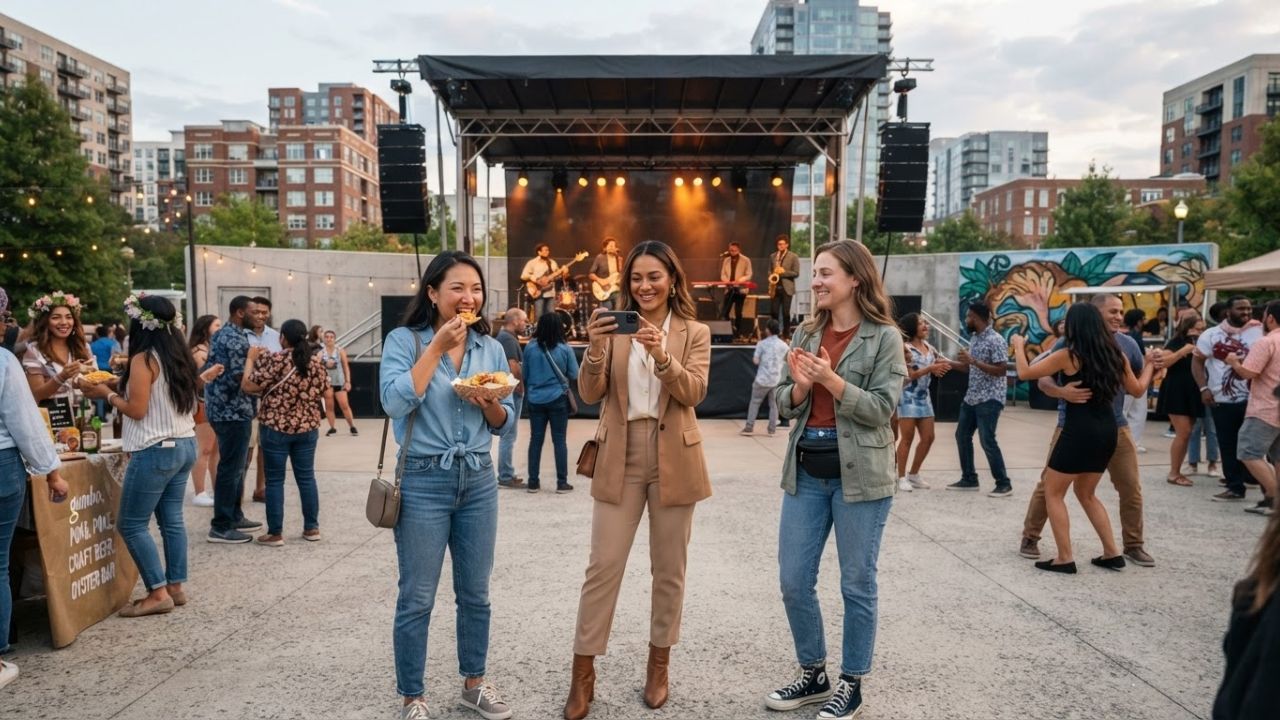
Image generated by AI
Bridging the transition from late summer into early autumn, September 2026 emerges as the premier window for United States event tourism, anchored by Hawaii’s iconic Aloha Festivals, California’s open-air music circuits, and regional harvest feasts spanning New Mexico to the Carolinas.
The September Shoulder Season Shift: Event Tourism Surges Across America
September occupies a coveted position on the American travel calendar. As summer family vacations wind down following Labor Day, domestic flight corridors and urban hotels enter an advantageous shoulder season. Daytime temperatures moderate comfortably across both northern states and desert regions, while municipal tourism boards roll out extensive autumn cultural schedules.
Rather than relying purely on passive sightseeing, modern international and domestic travelers increasingly shape itineraries around community festivals, live musical showcases, and seasonal harvest gatherings. Brand USA and regional destination management organizations report that festival attendees spend up to 28% more on local gastronomy, regional craft merchandise, and lodging extensions compared to conventional sightseeing travelers.
From Polynesian ceremonies on Oahu to jazz quarter performances in New Orleans and wine harvests in New Mexico, September offers a multidimensional portrait of American cultural diversity.
Major September 2026 Event Corridors and Cultural Showcases
The breadth of geographic scale in the United States enables travelers to tailor journeys around specific cultural themes. Whether opting for a 3-to-4-day urban weekend, a 7-day festival-and-park loop, or a comprehensive 10-to-14-day multi-state expedition, September presents an unmatched density of community celebrations.
| Destination Hub | Signature September Event Focus | Cultural & Visitor Appeal |
|---|---|---|
| Hawaii (Oahu & Neighbor Islands) | Aloha Festivals | Royal court ceremonies, floral parades, hula competitions, Polynesian heritage |
| California (Bay Area & SoCal) | Outdoor Music & Coastal Gatherings | Major international headliners, winery amphitheater shows, creative arts |
| Nashville & New Orleans | Americana, Country & Heritage Jazz | Live Honky-Tonk showcases, Frenchmen Street brass ensembles, Creole culinary arts |
| Austin, Texas | Live Music Capital Circuits | Intimate songwriter venues, outdoor riverfront stages, craft brewing |
| New Mexico & The Southwest | Green Chile Harvests & Wine Events | Traditional adobe roasting stalls, high-desert vineyards, Pueblo artisan fairs |
| Carolinas & The South | Coastal Seafood & Lowcountry Boils | Coastal oyster roasts, slow-smoked barbecue heritage, maritime music |
| Wisconsin & The Midwest | Farm-to-Table & Cheese Harvests | Historic dairy farm tours, craft cider tastings, county agricultural fairs |
| Kansas City, Missouri | Heritage & Urban Arts Festivals | Historic 18th & Vine jazz performances, championship barbecue celebrations |
Island Traditions and Heritage: Hawaii's Aloha Festivals
Now entering over seven decades of continuous celebration, Hawaii's Aloha Festivals represent the premier cultural showcase in the Pacific basin during September. Founded to preserve Native Hawaiian customs, the festival spans several weeks on Oahu, featuring the investiture of the Royal Court, street-level Hoolaulea block celebrations along Waikiki's Kalakaua Avenue, and the Floral Parade showcasing equestrian pa’u riders draped in native island leis.
For travelers, attending the Aloha Festivals provides an essential educational encounter with Polynesian voyaging history, kanaka maoli storytelling, and traditional mele (song) and hula (dance). The Hawaii Tourism Authority emphasizes that these events offer visitors a respectful avenue to engage with living island traditions while learning the foundational philosophy of mālama ‘āina—the sacred duty to care for and respect the natural world.
Regional Gastronomy: From Southwestern Green Chiles to Coastal Seafood
Culinary tourism flourishes in September as agricultural harvests peak nationwide. In New Mexico, the air across the Rio Grande Valley fills with the distinct, piquant aroma of roasting green chiles. Towns like Hatch, Santa Fe, and Mesilla celebrate with farm tours, ristra-rolling workshops, and pairings with high-elevation Southwestern wines.
Along the Atlantic seaboard, North and South Carolina host coastal food celebrations spotlighting fresh Atlantic shrimp, blue crab, and authentic Lowcountry seafood boils seasoned with Old Bay and local sweet corn. Further north in Wisconsin and Ohio, autumn agricultural gatherings invite travelers into family-owned creameries and organic heritage farms, celebrating aged cheddar traditions, fresh cheese curds, and heritage heirloom grain baking.
These agricultural festivals support small-scale farming families and rural co-ops, channeling visitor revenue directly into regional food networks that sustain historical farming practices.
Local Visitor Insider Tips for Navigating September Festivals
Travelers planning autumn journeys across the United States can enhance their experience by following these specialized insider guidelines:
- Capitalize on the Post-Labor Day Price Window: The period between September 8 and September 25 offers the lowest transcontinental airfares and urban hotel tariffs of the entire autumn season. Book mid-week flights to major gateways like Chicago O'Hare, Atlanta Hartsfield-Jackson, or San Francisco International to capture optimal rates.
- Respect Sacred Island Protocol in Hawaii: When attending Aloha Festivals events, practice authentic Hawaiian etiquette. Never decline a fresh floral lei when offered warmly by a host, as doing so is considered culturally discourteous. Never discard a lei in the trash; return it respectfully to the earth or ocean when its blossoms fade. Always heed kapu (forbidden/sacred) signs around historical heiau (temple) complexes.
- Explore Secondary Neighborhood Music Circuits: In music destinations like New Orleans and Austin, bypass tourist-heavy strips like Bourbon Street or 6th Street. Head instead to Frenchmen Street in the Marigny (New Orleans) for spontaneous brass jams, or South Congress and East Austin for historic honky-tonks like the Continental Club and White Horse.
- Sample Regional Autumn Gastronomy: Prioritize hyper-seasonal dining. In New Mexico, order your enchiladas "Christmas style" (a blend of fresh roasted green chile and rich dried red chile sauce). In Kansas City, visit century-old smokehouses for burnt ends, while in coastal Carolina, seek out local dockside crab shacks.
- Prepare for Microclimate Variations: September weather transitions swiftly. High-desert areas like Santa Fe can swing from 80°F (27°C) at midday to 45°F (7°C) after sunset. In San Francisco, coastal marine fog often blankets the city until midday, requiring versatile layered clothing and a compact windbreaker.
Sustainable Travel and Community-First Event Participation
As event tourism accelerates, adopting low-impact travel habits ensures host communities thrive alongside visitor arrivals. Travelers can leverage scenic passenger rail corridors like Amtrak’s Coast Starlight (linking California and the Pacific Northwest) or the Pacific Surfliner to reach festival hubs without contributing to highway congestion.
Many modern US festivals now enforce zero-waste standards, offering water refill stations, compostable food containers, and digital ticketing. Supporting local independent makers at urban art fairs—such as Santa Fe's Indigenous art markets or Chicago's neighborhood street fairs—directly bolsters local artisans, keeping creative traditions financially viable for the next generation.
Long-Term Tourism Outlook: The Rise of Experience-Driven US Travel
The trajectory of American travel is shifting decisively from passive monument viewing to immersive experiential engagement. Travelers across all demographics report prioritizing destinations that offer rich community interaction, culinary authenticity, and cultural resonance.
September 2026 exemplifies this evolution. By offering an accessible combination of comfortable seasonal weather, fewer domestic crowds, and an exceptionally rich calendar of artistic and historical celebrations, the United States stands ready to deliver one of the most rewarding autumn travel seasons in modern memory.
Frequently Asked Questions: USA September 2026 Travel and Festivals
Why is September considered an ideal month for traveling in the United States? September offers mild weather, reduced post-summer crowds, lower shoulder-season flight rates, and a high density of regional harvest, music, and cultural festivals.
What is the significance of Hawaii's Aloha Festivals? The Aloha Festivals are Hawaii's largest cultural celebration, dedicated to honoring Native Hawaiian music, hula, royal court traditions, and island community heritage.
Which US cities are best for music-driven event tourism in September? Top music destinations include Austin, Nashville, New Orleans, New York City, and the San Francisco Bay Area, each hosting prominent concerts and historic live venues.
How should travelers prepare for September weather across different US regions? Because autumn transitions vary widely, pack versatile layers. Coastal and high-desert areas experience warm sunny afternoons followed by crisp, cool evenings.
Related Travel Guides
Disclaimer
This article is for informational and educational purposes only. It does not constitute legal, financial, or professional advice. While we strive to provide accurate and up-to-date information, travel policies, regulations, and conditions change rapidly. Always verify information with official sources before making travel decisions. Nomad Lawyer makes no representations about the accuracy, reliability, completeness, or suitability of the information provided. Readers should consult qualified professionals for advice specific to their circumstances. The views expressed in this article are those of the author and do not necessarily reflect the views of Nomad Lawyer.
Raushan Kumar
Founder & Lead Developer
Full-stack developer with 11+ years of experience and a passionate traveller. Raushan built Nomad Lawyer from the ground up with a vision to create the best travel and law experience on the web.
Learn more about our team →