
USA Leads Global Hotel Pivot to Non-Room Revenue Streams in 2026: Tech and Wellness Trends
The USA is pioneering a shift in hospitality profitability, leveraging AI and strategic partnerships to drive non-room revenue to 33% of total income, outpacing traditional models in Thailand and Indonesia.

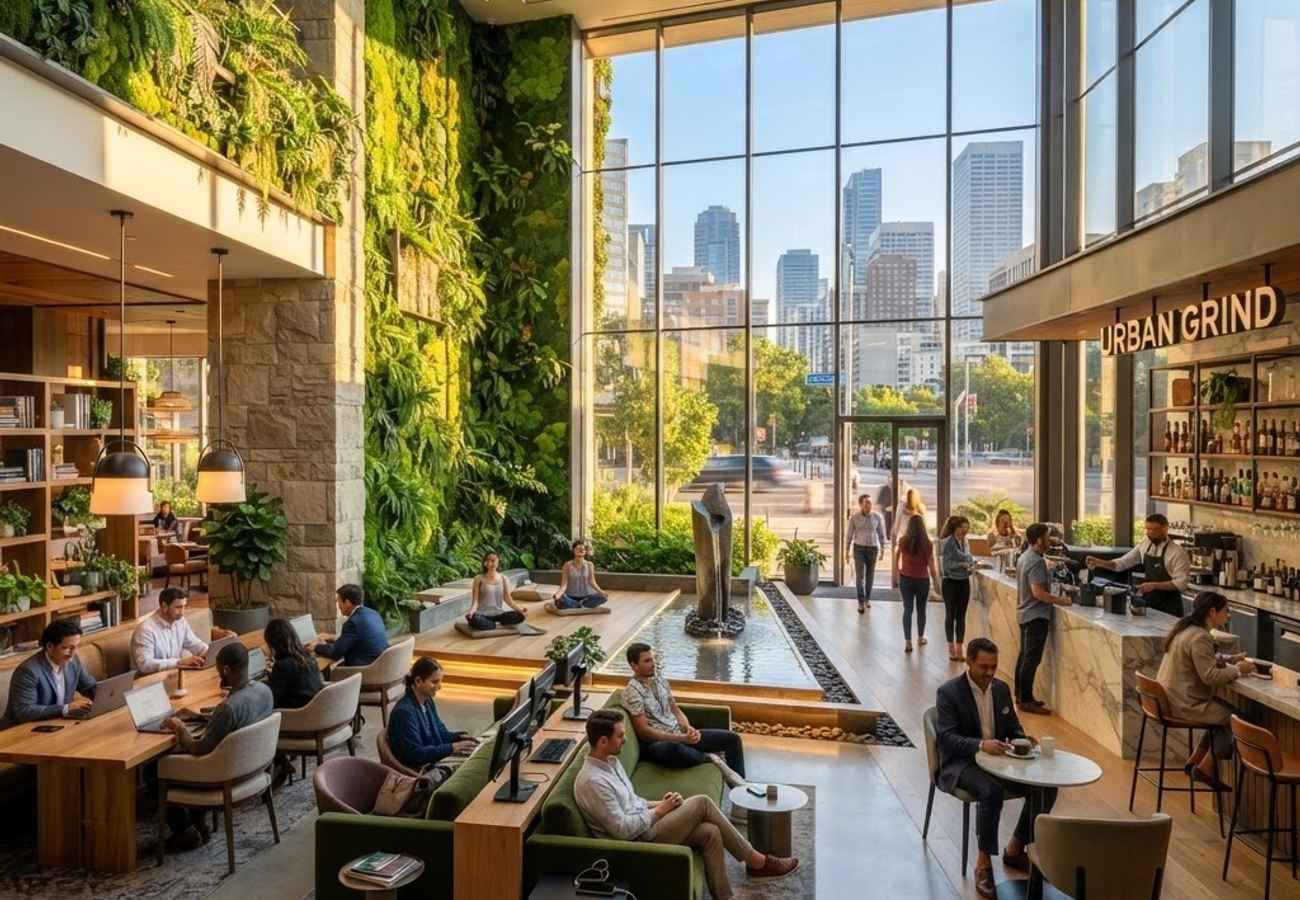
Image generated by AI
The global hospitality industry is undergoing a financial paradigm shift as traditional nightly room rates fail to offset rising operational costs. The USA is currently leading the charge, with non-room ancillary revenue now accounting for nearly 33% of total hotel income.
The Shift Toward Mixed-Use Hospitality Ecosystems
The traditional "heads in beds" metric is no longer sufficient for long-term profitability. Macroeconomic volatility, high commissions from online travel agencies, and the proliferation of short-term rentals have eroded the margins of standard room sales. In response, major hospitality brands are transforming properties into mixed-use lifestyle hubs.
By monetizing clinical wellness, co-working memberships, and tech-driven upselling, hotels are insulating their balance sheets against seasonal downturns. This evolution converts the hotel from a simple lodging provider into a community-integrated commercial ecosystem where the room rate is merely one component of a larger revenue puzzle.
Global Non-Room Revenue Benchmarks by Region
Different regions are employing distinct strategies to capture a larger share of traveler spending. While the US focuses on efficiency and technology, Southeast Asia is leveraging medical and holistic health.
| Country / Region | Core Non-Room Focus | Key Strategies & Innovations | Financial Impact & Market Data |
|---|---|---|---|
| United States | Strategic Partnerships & Tech | EV charging hubs, sleep tech, AI-driven upselling of tours and upgrades. | Ancillary revenue hit $18.9 billion in 2022 (10.2% CAGR); ~33% of total revenue. |
| Thailand | Clinical Wellness & Medical Tourism | Hyperbaric oxygen chambers, IV nutrient infusions, stem-cell therapies in villas. | Wellness tourism generates $14.1 billion annually (36.4% growth rate). |
| Indonesia | Extended Retreats & Holistic Health | Mindfulness, sound healing, and farm-to-table programs for HNWIs and nomads. | Largest SE Asia wellness economy at $55.77 billion; 13% of foreign arrivals. |
| Vietnam | Eco-Luxury & Subscription Models | Mineral hot springs (onsen), biophilic architecture, and community memberships. | Fastest-growing institutional investment frontier for wellness real estate. |
| UK & Europe | Co-working, F&B & Local Events | Lobby transformation into neighborhood hubs, coworking memberships, art residencies. | F&B can generate 30% of revenue; coworking adds another 30% in lifestyle properties. |
Regional Analysis of Revenue Innovation
United States: Tech-Centric Upselling
US hospitality conglomerates, including IHG, Accor, and Wyndham, are treating the guest stay as an integrated e-commerce platform. The focus is on strategic alliances rather than internal development. This includes converting parking lots into profitable EV charging hubs and partnering with smart-lighting and mattress brands to sell premium "sleep packages." AI platforms now handle dynamic pricing for late check-outs and priority dining, pushing ancillary income to nearly one-third of total property earnings.
Thailand: The Clinical Wellness Model
Thailand has blurred the line between luxury resorts and medical facilities. In Phuket and Bangkok, resorts partner with medical groups to provide clinical-grade treatments—such as genomic testing and IV infusions—administered by registered nurses within private villas. This attracts high-net-worth travelers seeking physiological repair rather than simple relaxation.
Indonesia: The Extended-Stay Retreat
In Bali, the focus has shifted toward long-term, immersive programs. By packaging breathwork, Ayurvedic nutrition, and sound healing into weeks-long itineraries, operators secure predictable cash flow and a captive audience. This model specifically targets burned-out executives and digital nomads, increasing the average length of stay.
UK and Europe: The Neighborhood Hub
Lifestyle brands, such as Ennismore’s The Hoxton, have pivoted toward the "local" market. By converting lobbies into co-working spaces and integrating heavy food and beverage (F&B) operations, these hotels generate significant revenue from non-guests. In these models, F&B and coworking combined can account for up to 60% of total revenue.
Traveler Logistics Guide: Navigating the New Hotel Ecosystem
From a ground-level perspective, the transition to "lifestyle hubs" changes how travelers should book and interact with their accommodations.
Booking Connections and Upsells With the rise of AI-driven upselling in the US, guests will receive automated offers for tours and upgrades via messaging apps before arrival. To avoid inflated dynamic pricing, it is advisable to lock in these ancillary services at the time of booking or through direct loyalty portals rather than accepting last-minute AI prompts.
Navigating Wellness Retreats For those visiting clinical wellness hubs in Thailand or holistic retreats in Indonesia, ensure that medical treatments are coordinated with your primary healthcare provider. Many of these "resort-based" clinical services require pre-screening or specific health data to be submitted digitally before arrival to streamline the intake process.
Utilizing Co-working Hubs In European urban centers, hotel lobbies now operate as semi-public spaces. If you are a non-guest intending to use these facilities, check for "Day Pass" or subscription memberships. These are often more cost-effective than paying for individual F&B items throughout the day.
Infrastructure Impact Assessment
The pivot toward non-room revenue is fundamentally altering real estate development. We are seeing a shift from "standard room blocks" toward "biophilic architecture" and "master-planned wellness destinations," particularly in Vietnam. This changes regional tourism from transient, short-term visits to extended, purpose-driven stays. The integration of EV infrastructure in US hotels also accelerates the adoption of electric transit by providing the necessary charging density in hospitality corridors.
The hotel room is no longer the product; it is the gateway to a wider commercial ecosystem.
Related Travel Guides
Disclaimer
This article is for informational and educational purposes only. It does not constitute legal, financial, or professional advice. While we strive to provide accurate and up-to-date information, travel policies, regulations, and conditions change rapidly. Always verify information with official sources before making travel decisions. Nomad Lawyer makes no representations about the accuracy, reliability, completeness, or suitability of the information provided. Readers should consult qualified professionals for advice specific to their circumstances. The views expressed in this article are those of the author and do not necessarily reflect the views of Nomad Lawyer.
Raushan Kumar
Founder & Lead Developer
Full-stack developer with 11+ years of experience and a passionate traveller. Raushan built Nomad Lawyer from the ground up with a vision to create the best travel and law experience on the web.
Learn more about our team →