
World Cup Tourists Spark Massive U.S. Retail Frenzy Over American Ranch Dressing
A massive influx of international sports fans has triggered an unprecedented culinary craze, forcing U.S. airport retailers to overhaul their duty-free strategies to accommodate the demand for ranch dressing.

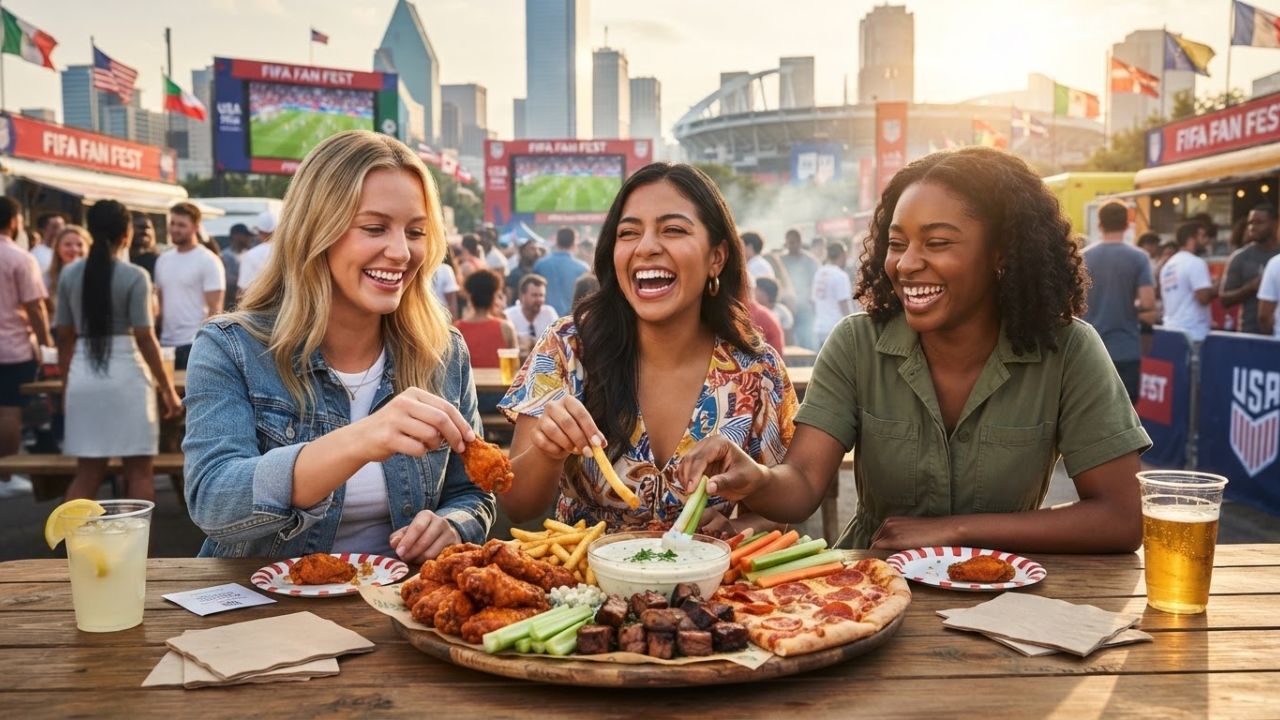
Image generated by AI
[Dallas, July 3] — The massive influx of international tourists arriving in the United States for the 2026 FIFA World Cup has triggered a completely unforeseen culinary phenomenon. Foreign sports fans have developed a viral, high-velocity obsession with traditional American buttermilk ranch dressing. What domestic diners consider an everyday staple has been hailed as a culinary revelation by international crowds, sparking an unprecedented commercial surge that is currently reshaping urban hospitality menus and aviation retail strategies across major U.S. hub cities.
The origins of this highly demanded condiment date back to the early 1950s in the freezing wilderness of Alaska, where a Nebraska-born plumbing contractor named Steve Henson created the blend of buttermilk, mayonnaise, garlic, onion, and herbs for his construction crews. After relocating to Santa Barbara County, California, in 1954 to open the 120-acre Hidden Valley Ranch, Henson scaled the product into a booming mail-order business, initially selling 75-cent dry seasoning packets. Today, that legacy recipe is driving a massive logistical overhaul as foreign tourists aggressively stockpile the sauce before returning to Europe and Asia.
Airport Retailers Exploit the Condiment Craze
This cultural fascination has rapidly transitioned into a full-scale retail phenomenon. The Association for Dressings and Sauces reports a historic, double-digit explosion in overall sales numbers, heavily concentrated around urban arenas hosting high-stakes tournament matches. Leading product manufacturers, including Clorox-owned Hidden Valley and Kraft Heinz, are reporting extraordinary spikes in consumer interest, prompting the rapid mass distribution of travel-compliant squeeze packs designed specifically for overhead luggage.
To capitalize on this lucrative trend, leading airport retail networks such as Paradies Lagardère have executed a highly strategic operational shift. Retailers across major aviation gateways are now aggressively stocking full-sized, eight-ounce glass bottles directly on their duty-free shelves. This deliberate placement allows international jet-setters to legally bypass the strict Transportation Security Administration (TSA) 3-1-1 liquids rule, enabling them to purchase massive quantities of the sauce after passing primary security checkpoints.
Urban Culinary Hubs Adapt to Foreign Demand
Across the country, local hospitality boards and independent chefs are meticulously adjusting their menus to cater to this international obsession, integrating the creamy herb sauce into regional specialties to maintain maximum table occupancy during the summer rush.
Regional Culinary Pairings Driving Tourism
| City Destination | Peak Local Pairing | Recommended Venue Style |
|---|---|---|
| Dallas, Texas | Brisket & Jalapeño Poppers | Historic BBQ Smokehouses |
| New York, NY | Jumbo Buffalo Wings | Classic Manhattan Taverns |
| Seattle, Wash. | Loaded Seafood Fries | Waterfront Gastropubs |
| Phoenix, Arizona | Wood-Fired Pizza Crusts | Urban Artisanal Pizzerias |
In Dallas, Texas, international wanderers are flooding the Deep Ellum entertainment district, where historic smokehouses are serving elite, scratch-made variations infused with fresh chives and smoke-infused black pepper alongside slow-smoked brisket. In New York City, tourists are mapping extensive walking tours around Madison Square Garden, specifically hunting classic Manhattan taverns that utilize multi-generation recipes heavily reliant on sour cream and curly-leaf parsley to complement jumbo buffalo wings.
The Pacific Northwest has similarly weaponized this trend. At Seattle-Tacoma International Airport, passenger volumes have shattered records, with small-scale condiment bottles becoming the single most common item in carry-on trays. Gastropubs near Pike Place Market are pairing heavy buttermilk blends with local cod and loaded seafood fries, often providing complimentary travel-sized seasoning packets to departing foreign guests. Further south in Phoenix, Arizona, artisanal pizzerias have established rapid-access dipping bars, allowing European and Asian crowds to dip wood-fired pizza crusts into pools of cold, herbaceous dressing without disrupting core kitchen operations.
Key Facts Breakdown
- The Phenomenon: International World Cup tourists have triggered a massive retail spike for American buttermilk ranch dressing.
- Historical Context: Invented in Alaska in the 1950s by Steve Henson, who later opened Hidden Valley Ranch in California in 1954.
- Economic Impact: The Association for Dressings and Sauces reports historic double-digit sales growth.
- Aviation Logistics: Retailers like Paradies Lagardère are stocking full-sized bottles post-security to bypass the TSA 3-1-1 liquids rule (3.4 ounces or smaller).
- Corporate Response: Brands like Kraft Heinz are rapidly producing travel-compliant squeeze packs for international transit.
- Souvenir Alternative: Manufacturers strongly recommend purchasing lightweight, dry seasoning packets to entirely avoid airport fluid restrictions.
Why This Matters
Our analysis of this consumer behavioral shift highlights the immense, unpredictable economic power of modern culinary tourism. The viral explosion of ranch dressing proves that high-yield international travelers are not just hunting for Michelin-starred experiences; they are desperate for authentic, hyper-local cultural immersion. By immediately pivoting their duty-free inventories and altering regional menus, U.S. hospitality and aviation retail sectors are successfully executing a high-margin arbitrage strategy. This phenomenon demonstrates that during massive international mega-events, agile local businesses that quickly adapt to sudden, viral foreign demands will capture significantly more revenue than those rigidly adhering to traditional tourist offerings.
Industry Outlook
Market trends suggest that this bizarre culinary craze will permanently alter duty-free retail strategies across North American airports. Moving forward, expect terminal operators to dedicate massive floor space to regional American food staples—such as specialized barbecue sauces, hot sauces, and dry rubs—positioning them as premium cultural souvenirs alongside traditional alcohol and cosmetics. Furthermore, as international fans return home, European and Asian grocery networks will likely experience a delayed spike in demand, forcing global distributors to permanently expand their trans-Atlantic export pipelines for American condiments. In the immediate term, U.S. hospitality boards will continue to heavily market dedicated "street-food maps," leveraging viral food trends to aggressively direct foot traffic away from congested stadiums and into independent, local dining districts.
Related Travel Guides
- How Resident Advisor is Structurally Redefining Global Nightlife Tourism
- Bumbayé Festival de Verano Drives Massive Cultural Tourism Surge to Cali
- Global Travelers Abandon Overcrowded Hubs for Emerging Markets in Kyrgyzstan, Albania, and Moldova
- European Aviation Faces Total Meltdown as New Biometric Border Checks Trigger Five-Hour Queues
- DFW Airport Faces 1.75 Million Passenger Meltdown as July 4th Collides With FIFA World Cup
Disclaimer
This article is for informational and educational purposes only. It does not constitute legal, financial, or professional advice. While we strive to provide accurate and up-to-date information, travel policies, regulations, and conditions change rapidly. Always verify information with official sources before making travel decisions. Nomad Lawyer makes no representations about the accuracy, reliability, completeness, or suitability of the information provided. Readers should consult qualified professionals for advice specific to their circumstances. The views expressed in this article are those of the author and do not necessarily reflect the views of Nomad Lawyer.
Kunal K Choudhary
Co-Founder & Contributor
A passionate traveller and tech enthusiast. Kunal contributes to the vision and growth of Nomad Lawyer, bringing fresh perspectives and driving the community forward.
Learn more about our team →