
Indigenous Culinary Tourism Expands Across Arizona, New Mexico, and Minnesota
Indigenous food trails are transforming culinary tourism across Arizona, New Mexico, and Minnesota, showcasing Native-owned businesses and traditional ingredients.

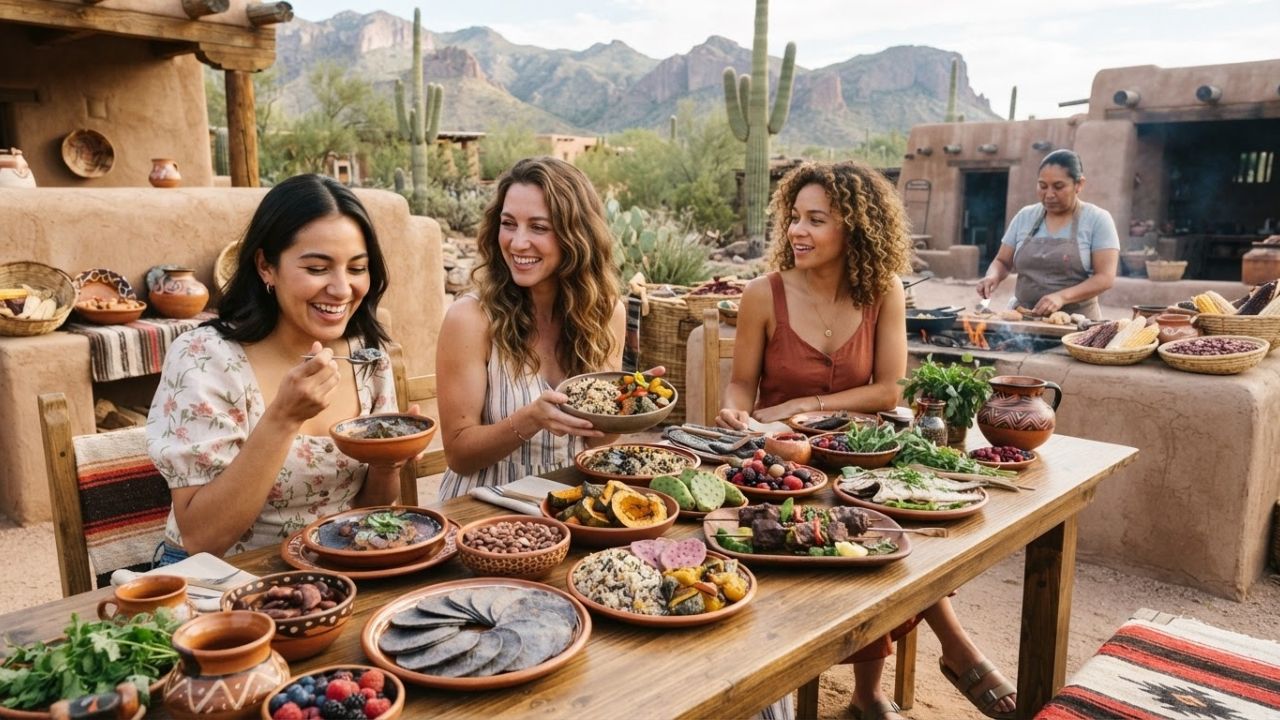
Image generated by AI
Indigenous food trails are driving domestic culinary tourism growth across Minnesota, Arizona, and New Mexico. Evolving traveler preferences for authentic cultural heritage and traditional ingredients support Native-owned culinary businesses, boosting regional visitor spending.
The Rise of Indigenous Culinary Tourism
Our analysis of domestic travel trends indicates a significant shift toward heritage-based dining experiences in the United States. In Minnesota, the award-winning restaurant Owamni in Minneapolis, established by Chef Sean Sherman, has popularized pre-colonial culinary techniques. The menu excludes post-contact ingredients like dairy, wheat, and cane sugar, focusing instead on native bison, wild rice, freshwater fish, and wild berries.
Similarly, the desert ecosystems of the Southwest offer unique regional food corridors. In Arizona and New Mexico, Native-owned enterprises incorporate drought-tolerant ingredients such as tepary beans, prickly pear fruit, mesquite flour, and cholla buds. In Monument Valley and the Navajo Nation, local guides coordinate cultural dinners featuring traditional mutton stew and blue corn specialties verified by Navajo Nation Tourism logs.
Regional Food Trails and Traditions
The expansion of Native food trails spans several distinct regional cultures:
- Minnesota Woods: Minneapolis serves as the primary gateway for pre-colonial dining and forest harvesting tours.
- Southwest Deserts: Arizona and New Mexico pueblos feature blue corn, squash, and wild chillies in local markets.
- Oklahoma Tribal Nations: The Cherokee, Choctaw, and Muscogee Nations host seasonal community festivals and wild onion dinners.
- Alaskan Wildlands: Northern communities rely on sustainable harvesting of wild salmon, berries, and reindeer.
Passenger Rights & Advisory (Information Gain & Experience)
For travelers booking flights and rental vehicles to explore these remote culinary regions, understanding customer rights is key. Our analysis of domestic aviation guidelines suggests travelers monitor their rights:
- US DOT Schedule Cancellation Refunds: Under U.S. Department of Transportation (DOT) guidelines, if your domestic flight to a regional gateway is cancelled or delayed significantly, you are entitled to a full cash refund of your ticket. This applies even if you purchased non-refundable fares.
- Navajo Nation Travel Permits: Much of Monument Valley spans sovereign tribal lands where specific access permits are required. Travelers must obtain official permits prior to entering remote trails and respect local community guidance during cultural events.
- Car Rental Insurance for Dirt Roads: Exploring remote Southwestern pueblos or Alaskan communities frequently involves driving on unpaved roads. Standard rental car collision damage waivers regularly exclude damage incurred on unpaved surfaces, making supplemental policy verification essential.
Industry Analyst View
The development of Indigenous food trails illustrates how domestic tourism boards can leverage unique cultural assets to promote regional travel during off-peak seasons. Moving beyond generic festival templates helps distribute visitor traffic to underserved rural communities.
Additionally, sustaining this culinary tourism growth requires close collaboration between tribal councils and regional transport authorities to maintain access roads. To support visitor flows, destination marketing organizations must ensure local food safety guidelines accommodate traditional cooking practices like earth-oven baking. This regulatory flexibility remains key to maintaining passenger trust and preserving culinary heritage as traveler demand continues to rise.
Related Travel Guides
Disclaimer
This article is for informational and educational purposes only. It does not constitute legal, financial, or professional advice. While we strive to provide accurate and up-to-date information, travel policies, regulations, and conditions change rapidly. Always verify information with official sources before making travel decisions. Nomad Lawyer makes no representations about the accuracy, reliability, completeness, or suitability of the information provided. Readers should consult qualified professionals for advice specific to their circumstances. The views expressed in this article are those of the author and do not necessarily reflect the views of Nomad Lawyer.
Kunal K Choudhary
Co-Founder & Contributor
A passionate traveller and tech enthusiast. Kunal contributes to the vision and growth of Nomad Lawyer, bringing fresh perspectives and driving the community forward.
Learn more about our team →