
Federal Aviation Watchdog Launches Investigation Into FAA's Response to Boeing 737 MAX Cabin Smoke Hazard
Breaking airline news and aviation industry updates for 2026.

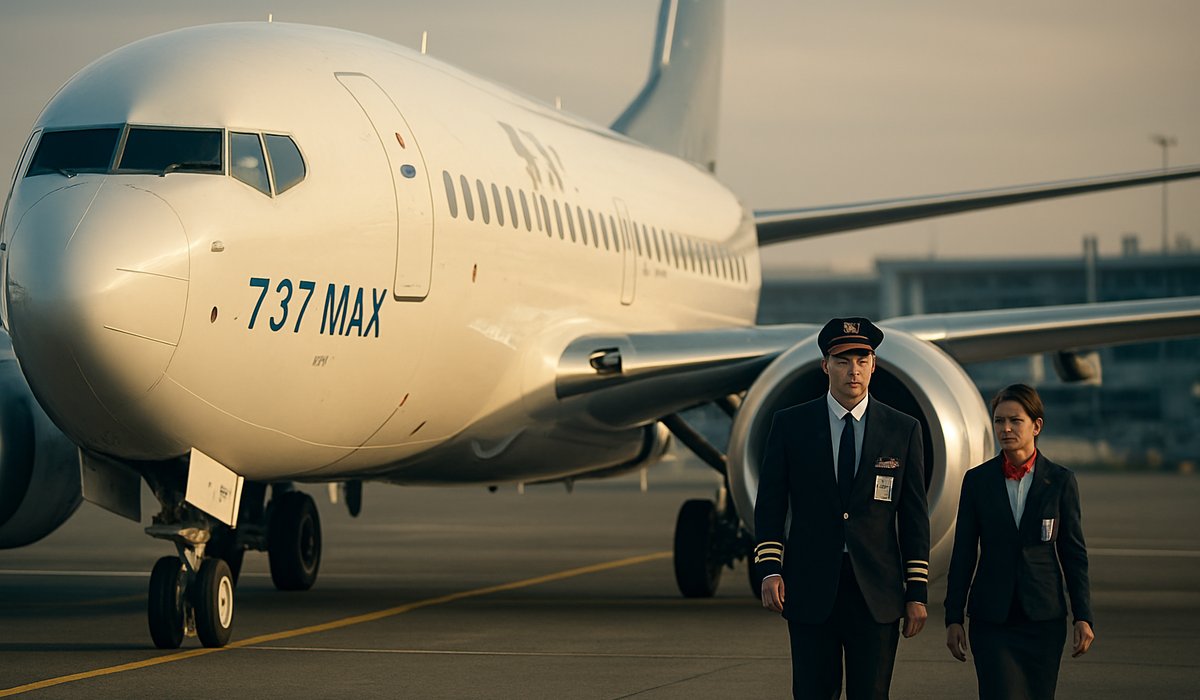
Image generated by AI
Federal Aviation Watchdog Launches Investigation Into FAA's Response to Boeing 737 MAX Cabin Smoke Hazard
Safety audit targets regulatory agency's handling of engine contamination risk following bird strikes
FAA Under Scrutiny Over Safety Protocol Delays
The United States Department of Transportation's Office of Inspector General has initiated a formal audit into the Federal Aviation Administration's management of a significant cabin safety concern affecting Boeing 737 MAX aircraft, specifically the risk of smoke and fume infiltration following bird strike incidents on CFM International LEAP-1B engines.
The watchdog announcement, made public on Thursday, April 16, marks a critical escalation in oversight of how America's primary aviation regulator has addressed the technical hazard—raising questions about response timelines and the adequacy of protective measures already implemented across the global fleet.
The Core Safety Issue
The investigation centers on how smoke and fumes can enter passenger cabins when CFM LEAP-1B engines—which power the 737 MAX—experience bird strike events. While bird strikes remain relatively uncommon in commercial aviation, their potential to compromise cabin air quality and passenger safety has prompted heightened regulatory scrutiny, particularly given the 737 MAX's recent history of safety-related groundings and operational restrictions.
The contamination risk represents a secondary concern stemming from engine damage during wildlife encounters, rather than structural failure, but regulators have flagged the incident as requiring immediate mitigation protocols.
Regulatory Accountability and Industry Implications
The DOT Office of Inspector General's decision to audit FAA procedures underscores growing pressure on federal regulators to demonstrate transparent, timely responses to emerging aviation safety threats. The move arrives amid broader industry discussions about maintenance standards, engine certification processes, and the adequacy of existing preventative measures across the 737 MAX fleet.
For Boeing and CFM International, the investigation adds another layer of regulatory scrutiny to a production line already navigating quality control challenges and supply chain disruptions. Airlines operating the aircraft—including major carriers globally—may face enhanced inspection requirements or operational directives pending the audit's conclusions.
The inspector general's report materials, released this month, suggest the investigation will examine documentation of the FAA's assessment timeline, stakeholder communications, and any directives or recommendations issued to airlines and manufacturers.
What's Next
The aviation industry awaits clarity on whether additional airworthiness directives or fleet-wide modifications will be mandated. Such measures could affect maintenance schedules, aircraft availability, and operational costs for carriers worldwide.
FAQ: Boeing 737 MAX Safety and FAA Oversight
Q: What exactly is the cabin smoke risk on Boeing 737 MAX aircraft? A: Following bird strikes to CFM LEAP-1B engines, smoke and fumes can potentially enter passenger cabins, compromising air quality and passenger safety during flight operations.
Q: How does a bird strike lead to cabin contamination? A: Engine damage from bird strikes can compromise sealing systems, allowing combustion byproducts and fumes to flow into cabin pressurization systems rather than being contained within engine compartments.
Q: Will airlines need to ground 737 MAX aircraft pending the audit? A: The investigation does not currently mandate fleet groundings, though enhanced inspections or operational directives may be issued based on audit findings.
Q: How does this affect passengers and ticket prices? A: Depending on audit outcomes, maintenance costs and operational restrictions could indirectly influence airline operating expenses and pricing, though direct passenger impact remains unclear.
Q: Is the 737 MAX safe to fly? A: The aircraft remains certified for commercial operations; this audit addresses a specific secondary risk rather than fundamental airworthiness concerns.
Related Travel Guides
Flight Delay Compensation Guide 2026
Understanding Airline Route Changes
Airport Security Process Updated (2026)
External Resources
Disclaimer
This article is for informational and educational purposes only. It does not constitute legal, financial, or professional advice. While we strive to provide accurate and up-to-date information, travel policies, regulations, and conditions change rapidly. Always verify information with official sources before making travel decisions. Nomad Lawyer makes no representations about the accuracy, reliability, completeness, or suitability of the information provided. Readers should consult qualified professionals for advice specific to their circumstances. The views expressed in this article are those of the author and do not necessarily reflect the views of Nomad Lawyer.
Kunal K Choudhary
Co-Founder & Contributor
A passionate traveller and tech enthusiast. Kunal contributes to the vision and growth of Nomad Lawyer, bringing fresh perspectives and driving the community forward.
Learn more about our team →