
US State Department Elevates Brazil Travel Advisory Due to Crime and Kidnapping Risks
The US State Department has issued a Level 2 travel advisory for Brazil, warning tourists of kidnapping, express crime, and high-risk border zones.

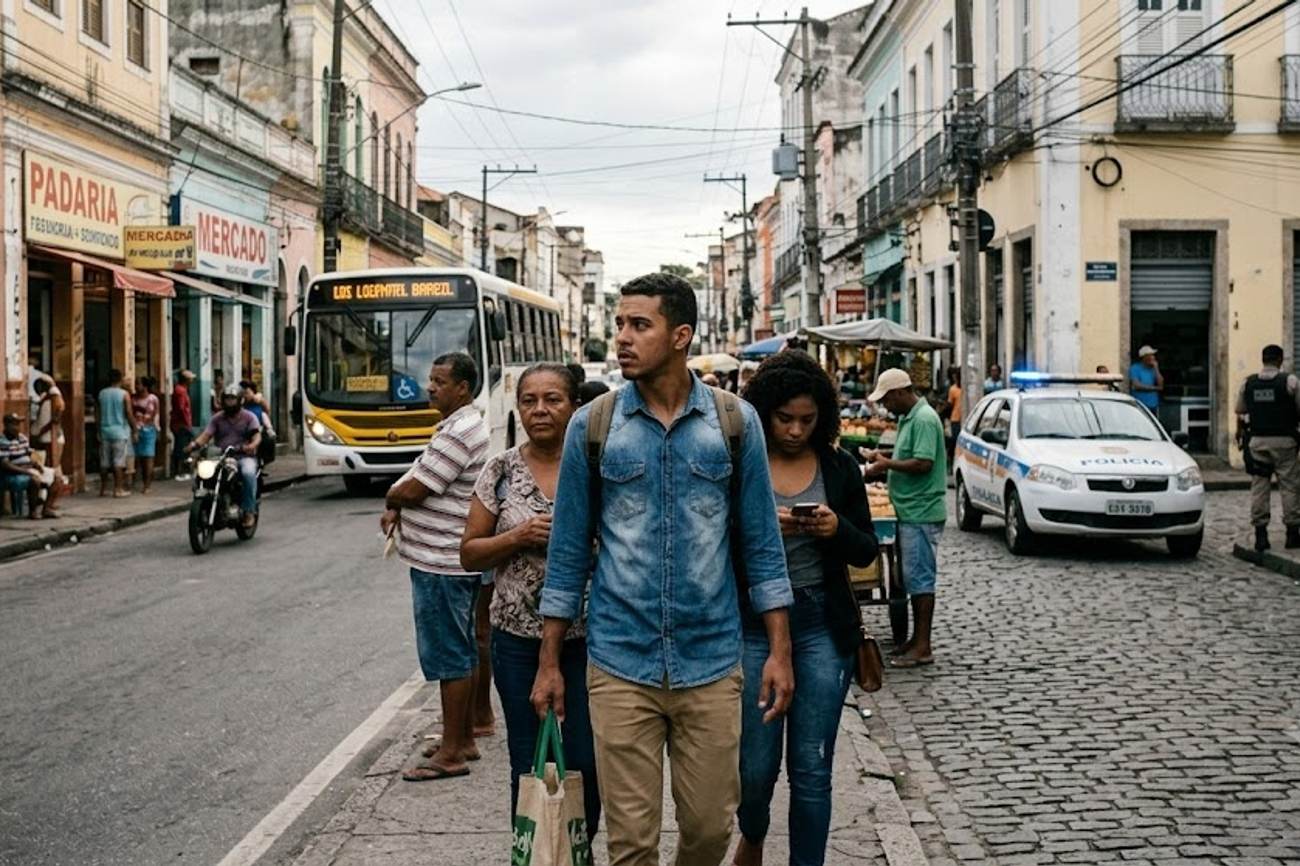
Image generated by AI
Security Shifts Impact South American Tourism
The US State Department has updated its travel guidance for Brazil, designating the country as Level 2 – Exercise Increased Caution. While Brazil remains a premier global destination for its Amazon rainforest, Carnival, and coastal resorts, the updated advisory warns of systemic security threats, specifically kidnapping and violent crime.
The shift reflects a growing concern over organized criminal networks and drug-related violence that permeate urban centers and border regions. This advisory does not suggest a total avoidance of the country but demands a strategic approach to itinerary planning and personal safety.
Urban Violence and Targeted Tourist Crime
Violent crime is a primary driver for the updated warning. The State Department notes that assaults, armed robberies, carjackings, and gang-related violence occur in urban areas regardless of the time of day.
A significant trend identified in the advisory is the targeting of foreigners through social engineering. Criminals are increasingly utilizing:
- Nightlife Venues: Targeting visitors in bars and clubs.
- Online Platforms: Using dating apps to lure tourists into vulnerable situations.
- Chemical Assaults: The use of sedatives or drugs slipped into drinks, particularly in Rio de Janeiro.
High-Risk Zones: Borders and Favelas
While much of the country remains accessible, specific zones have been flagged with the highest possible warning level.
Land Border Restrictions All international land borders are now classified as Level 4 – Do Not Travel. The risk in these corridors is driven by smuggling, organized crime, and remote-area safety challenges. Notable exceptions include Iguacu National Park and Pantanal National Park, which remain open for nature tourism provided precautions are taken.
Informal Settlements The US government explicitly advises against visiting favelas, vilas, comunidades, or conglomerados. The advisory emphasizes that guided tours offer no guaranteed safety, as security dynamics can shift instantly due to police raids or gang conflicts. Furthermore, the lack of clear boundaries means tourists may accidentally enter high-risk zones.
Financial Security and "Express Kidnapping"
A critical threat highlighted is "express kidnapping." In these scenarios, victims are abducted for short periods and forced to withdraw cash from ATMs or execute electronic transfers.
The rise of Pix, Brazil's instant payment system, has evolved the nature of these crimes, allowing criminals to force rapid electronic fund transfers. To mitigate this, travelers are urged to:
- Use ATMs located exclusively inside major hotels or shopping malls.
- Avoid carrying multiple bank cards.
- Minimize cash withdrawals and avoid using ATMs in public, isolated locations.
Regional Specifics: Rio de Janeiro and Brasilia
Rio de Janeiro, home to iconic sites like Christ the Redeemer and Copacabana Beach, is under heightened scrutiny. Visitors are warned to avoid displaying expensive jewelry or watches and to remain vigilant in nightlife districts.
In the capital, Brasilia, the advisory focuses on satellite cities. Increased caution is required in:
- Ceilandia
- Santa Maria
- Sao Sebastiao
- Paranoa
For US government employees, travel to these administrative regions is restricted between 6:00 p.m. and 6:00 a.m. without special authorization.
Border Risk Matrix
| Border Area | Primary Security Concern |
|---|---|
| Bolivia | Organized crime and illegal activities |
| Colombia | Criminal networks and security risks |
| Guyana | Border-related crime concerns |
| French Guiana | Cross-border security issues |
| Paraguay | Smuggling and organized crime risks |
| Peru | Remote-area safety challenges |
| Suriname | Border crime risks |
| Venezuela | Higher security concerns |
Essential Safety Guidelines
| Recommendation | Rationale |
|---|---|
| Avoid displaying luxury jewelry/watches | Reduces the likelihood of targeted theft |
| Stay alert at ATMs and banks | Mitigates risk of express kidnapping |
| Avoid municipal buses at night | High risk of robbery and assault |
| Use trusted transport services | Ensures safer transit between destinations |
Key Takeaways
- Overall Status: Brazil is Level 2 (Exercise Increased Caution); Borders are Level 4 (Do Not Travel).
- Primary Threats: Express kidnapping, sedative-assisted robbery, and organized crime.
- No-Go Zones: Favelas and all international land borders (excluding major national parks).
- Financial Warning: Be extremely cautious with ATMs and electronic transfers via Pix.
FAQ
Can I still visit Rio de Janeiro? Yes, but you must exercise increased caution, avoid displaying wealth, and be wary of nightlife interactions and sedatives in drinks.
Are the Amazon and Iguacu Falls safe? Yes, major tourism assets like Iguacu National Park and Pantanal National Park remain accessible, though general caution is advised.
Why are favela tours discouraged? Because security conditions in informal settlements are volatile; guided tours cannot guarantee safety during sudden gang or police activity.
Related Travel Guides
Disclaimer
This article is for informational and educational purposes only. It does not constitute legal, financial, or professional advice. While we strive to provide accurate and up-to-date information, travel policies, regulations, and conditions change rapidly. Always verify information with official sources before making travel decisions. Nomad Lawyer makes no representations about the accuracy, reliability, completeness, or suitability of the information provided. Readers should consult qualified professionals for advice specific to their circumstances. The views expressed in this article are those of the author and do not necessarily reflect the views of Nomad Lawyer.
Kunal K Choudhary
Co-Founder & Contributor
A passionate traveller and tech enthusiast. Kunal contributes to the vision and growth of Nomad Lawyer, bringing fresh perspectives and driving the community forward.
Learn more about our team →