
US State Department Updates Travel Advisories for Peru, Ecuador, and Colombia Amid Rising Security Risks 2026
The US State Department has issued updated security warnings for Peru, Ecuador, and Colombia, citing risks of kidnapping and organized crime while maintaining access to major tourist hubs.

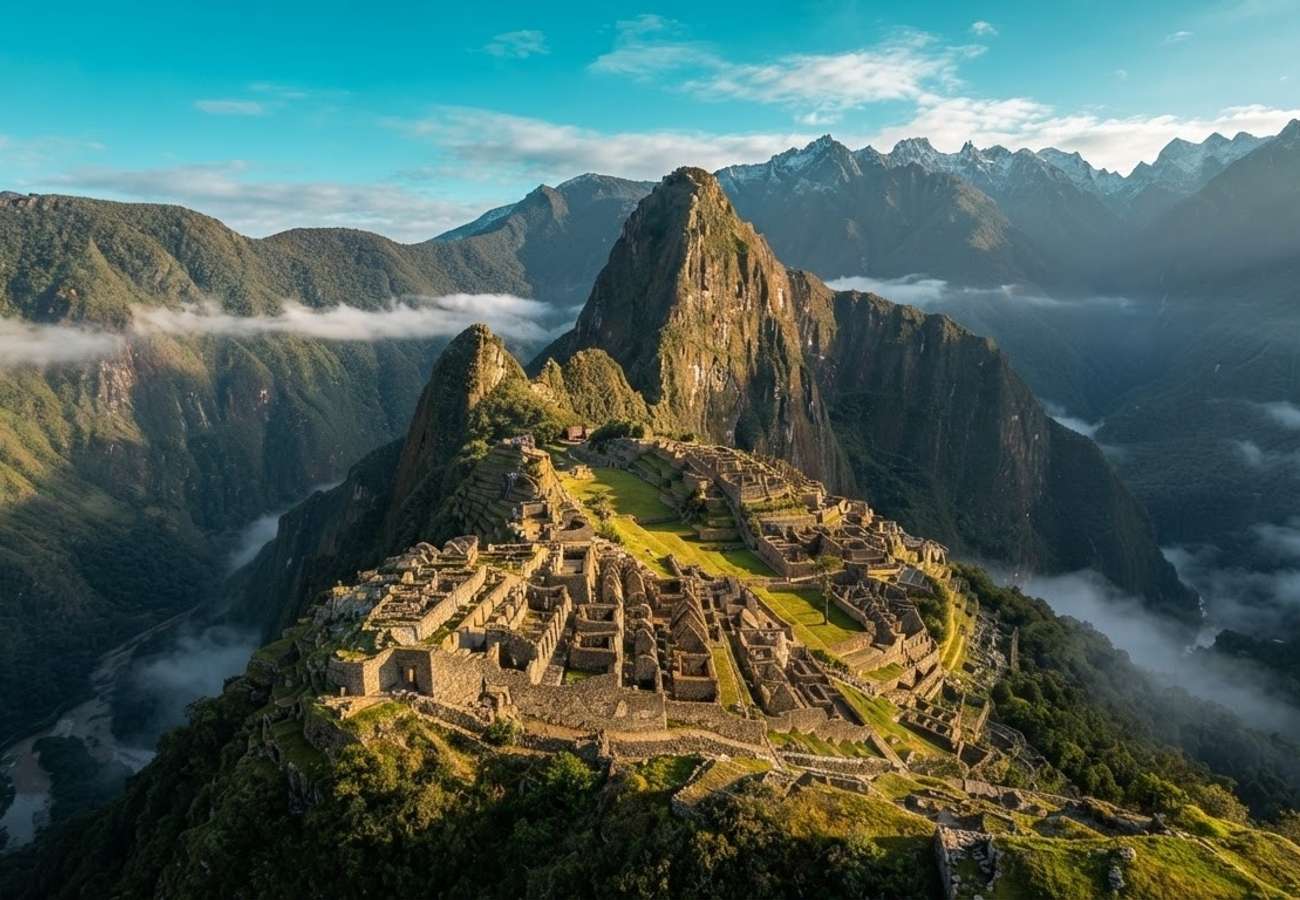
Image generated by AI
The US State Department has heightened security warnings for several South American nations, specifically targeting risks of kidnapping, organized crime, and terrorism. While major tourist hubs remain operational, passengers are urged to exercise increased caution in specific regional corridors.
Regional Security Breakdown and Advisory Levels
Our analysis of the latest US State Department data indicates a fragmented security landscape across South America. The warnings are not blanket bans on travel but are targeted at specific geographic zones where organized criminal activity and drug-related risks are prevalent.
The following table outlines the current advisory status and primary risk factors for the most affected nations:
| Country | US Advisory Level | Primary Security Risks | Impacted Tourism Zones |
|---|---|---|---|
| Peru | Level 2 – Exercise Increased Caution | Crime, kidnapping, terrorism, drug-related risks, civil unrest | Remote regions, VRAEM, specific border areas |
| Ecuador | Level 2 – Exercise Increased Caution | Violent crime, kidnapping, terrorism, organized crime | Specific coastal provinces and crime-affected zones |
| Colombia | Heightened Caution (Regional) | Crime, terrorism, kidnapping, armed group activity | Border regions and specific departments |
| Venezuela | Level 3 – Reconsider Travel | Crime, kidnapping, terrorism, infrastructure collapse, limited healthcare | Multiple regions, rural and border areas |
| Brazil | Level 2 – Exercise Increased Caution | Crime, robbery, regional instability | Certain urban centers and border zones |
Operational Impact on Tourism Hubs
Despite the heightened alerts, flight tracking systems and local tourism data show that primary international gateways and landmark destinations remain active. The disruption is concentrated in the "periphery" rather than the "core" tourist circuits.
- Peru: Machu Picchu and Cusco continue to operate normally, though caution is advised when venturing into the VRAEM region.
- Ecuador: The Galápagos Islands remain a primary, safe destination for international arrivals.
- Colombia: Cartagena continues to attract high volumes of international visitors despite warnings regarding border departments.
Passenger Rights & Advisory: Navigating Disruptions
For the affected passenger, a "Level 2" or "Level 3" advisory can have immediate implications for travel insurance, flight cancellations, and legal protections. Our analysis of standard aviation and insurance policies suggests the following:
Travel Insurance and "Cancel for Any Reason" (CFAR) Standard travel insurance policies often do not cover cancellations based solely on a government travel advisory unless that advisory reaches a "Do Not Travel" (Level 4) status or the destination is declared a war zone. For passengers holding tickets to Peru, Ecuador, or Colombia, we suggest reviewing the specific wording of "Force Majeure" clauses in your policy.
Flight Cancellations and Rebooking If an airline cancels a flight due to a sudden escalation in security risks, passengers are generally entitled to a full refund or rebooking. However, if the passenger chooses to cancel their own trip because of a Level 2 advisory, the airline is typically not obligated to provide a refund unless the fare class allows for it.
On-the-Ground Safety Protocols To mitigate risk, travelers should:
- Utilize only licensed, registered transportation providers.
- Avoid isolated or non-tourist rural areas.
- Register with the Smart Traveler Enrollment Program (STEP) to receive real-time security updates from their embassy.
The current trend in South American security is characterized by "localized volatility." We are seeing a shift where organized crime networks operate in specific pockets, leaving the primary tourism infrastructure largely untouched.
The challenge for governments in Lima, Quito, and Bogotá is to balance the economic necessity of tourism with the reality of internal security threats. The use of "Level 2" warnings serves as a diplomatic tool to alert citizens without triggering a mass exodus of tourism revenue, which supports thousands of local hotels, guides, and transport providers.
The balance between exploration and vigilance is now the primary requirement for the modern South American itinerary.
Related Travel Guides
Disclaimer
This article is for informational and educational purposes only. It does not constitute legal, financial, or professional advice. While we strive to provide accurate and up-to-date information, travel policies, regulations, and conditions change rapidly. Always verify information with official sources before making travel decisions. Nomad Lawyer makes no representations about the accuracy, reliability, completeness, or suitability of the information provided. Readers should consult qualified professionals for advice specific to their circumstances. The views expressed in this article are those of the author and do not necessarily reflect the views of Nomad Lawyer.
Preeti Gunjan
Contributor & Community Manager
A passionate traveller and community builder. Preeti helps grow the Nomad Lawyer community, fostering engagement and bringing the reader experience to life.
Learn more about our team →