
US Road Safety and Rural Travel: 39,254 Fatalities Reveal Critical EMS and Hospital Delay Gaps

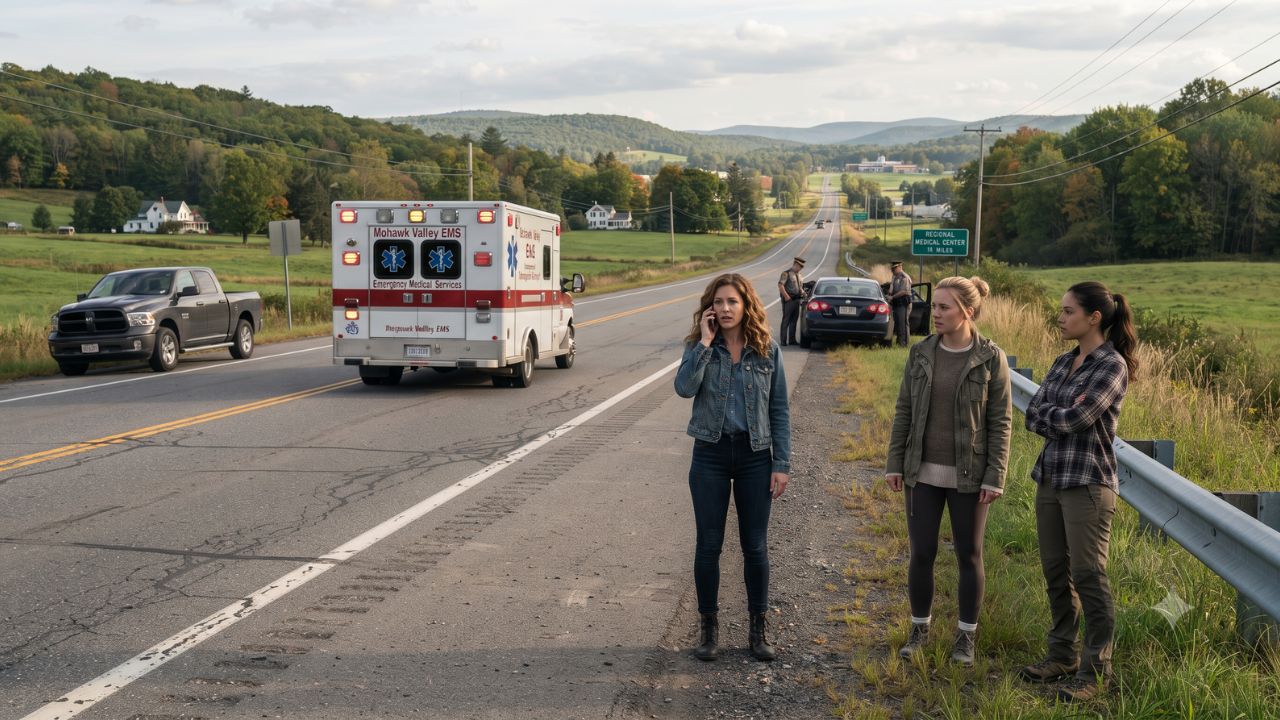
While emergency dispatch crews across the United States reach crash scenes in a swift median time of just seven minutes, the secondary transport drive from remote highway shoulders to emergency rooms takes an average of 28 minutes—accounting for roughly 72% of total pre-hospital transit delays. In an exhaustive analysis of 39,254 road fatalities compiled from National Highway Traffic Safety Administration (NHTSA) records, victims in rural regions faced a median crash-to-hospital delay of 53 minutes compared to 33 minutes in metropolitan areas.
The federal crash dataset, evaluated by The Schiller Kessler Group, exposes stark geographic disparities in emergency trauma access across popular American road-trip corridors. In ten states, injured motorists faced median transit times exceeding 40 minutes before reaching hospital emergency rooms, with Alabama recording the nation's longest median transit time at 56 minutes, followed by Maine at 49.5 minutes and Montana at 46.5 minutes. For travelers venturing through national parks, scenic byways, and remote mountain passes, understanding these regional medical gaps is vital for proactive journey planning.
The Rural Divide and State-by-State Emergency Transit Times
The investigation highlights how vast physical distances between remote highways and specialized trauma wards shape patient survival:
The Ten Longest Crash-to-Hospital States
Alabama registered the slowest overall emergency care timeline, combining a 12-minute initial EMS arrival with a 32-minute scene-to-hospital transport for a total median of 56 minutes. Maine followed with a 10-minute EMS response but an extended 35-minute hospital drive (49.5 minutes total), while Montana recorded a 46.5-minute median. Other states where crash victims faced median transit times of 41 minutes or longer include Louisiana, Wisconsin, Tennessee, Georgia, Missouri, Kansas, and Kentucky.
In stark contrast, Colorado recorded the shortest median crash-to-hospital duration at just 25 minutes, demonstrating how integrated mountain rescue networks and regional hospital density accelerate emergency admission.
Unlit Rural Highways and Trauma Center Scarcity
Of the fatal collisions evaluated in the 2024 dataset, 14,442 occurred on rural roadways, representing approximately 40% of the nationwide total. Road lighting proved to be a major geographic marker: collisions on unlit rural highways involved a median hospital journey of 58 minutes, compared to 44 minutes on illuminated rural routes.
The American College of Surgeons reports that only 24% of rural American residents live within a 60-minute drive of a Level I or Level II trauma center, compared to 86% of suburban residents and 95% of urban dwellers. In states like Missouri, rural EMS response times averaged 14 minutes compared to six minutes in urban districts, while Alabama saw rural EMS arrivals average 15 minutes against nine minutes in cities.
Timestamp Data Inconsistencies Across Jurisdictions
The study revealed significant data tracking gaps among state transportation departments. Only 29 of 51 jurisdictions provided sufficient timestamp data for comprehensive ranking. Five jurisdictions—Maryland, Oklahoma, South Carolina, Virginia, and Washington—recorded no usable EMS arrival timestamps across 3,615 fatal crashes. Texas logged timestamps for only 4.4% of its 3,774 fatal collisions, while California recorded usable data for just 0.5% of its 3,583 fatal crashes.
State-Level EMS Response and Hospital Transit Benchmarks
The following table summarizes median EMS arrival times, scene-to-hospital transit durations, total emergency journey lengths, and trauma access indicators across key states:
| State / Geographic Region | Median EMS Arrival | Scene-to-Hospital Drive | Total Crash-to-Hospital Time | Rural Fatality Context |
|---|---|---|---|---|
| Alabama (Slowest) | 12.0 Minutes | 32.0 Minutes | 56.0 Minutes | 15-min rural EMS response |
| Maine | 10.0 Minutes | 35.0 Minutes | 49.5 Minutes | Extensive remote timberland routes |
| Montana | N/A | N/A | 46.5 Minutes | Big Sky wilderness corridors |
| Louisiana, WI, TN, GA, MO, KS, KY | 8.0–14.0 Minutes | 28.0–35.0 Minutes | 41.0–45.0 Minutes | Regional highway transit bottlenecks |
| National US Median | 7.0 Minutes | 28.0 Minutes | 39.0 Minutes | 72% of time spent in transport |
| Colorado (Fastest) | Fast Dispatch | Mountain Air/Ground | 25.0 Minutes | High trauma facility integration |
| Rural Roadways (US Total) | 14.0–15.0 Minutes | 38.0+ Minutes | 53.0 Minutes (58m Unlit) | 14,442 rural fatal crashes (40%) |
| Urban Areas (US Total) | 6.0–9.0 Minutes | 24.0 Minutes | 33.0 Minutes | 95% within 1-hr trauma radius |
What Makes American Rural Driving Distinctive
Driving through the United States offers access to legendary landscapes, from the red rock canyons of Utah to the coastal bluffs of New England. However, the physical scale of western and southern states creates vast gaps in cellular telephone reception, fuel availability, and emergency services.
When driving through federal public lands managed by the National Park Service—such as Glacier National Park in Montana or Great Smoky Mountains National Park in Tennessee—switchback mountain curves, variable weather conditions, and roaming wildlife demand heightened driver attention. A vehicle breakdown or collision in these regions can leave motorists stranded miles from the nearest emergency vehicle outpost.
Visitor Insider Tips for Safe Overland Road Trips
Preparing for long-distance American road trips requires proactive vehicle preparation and communication planning:
- Satellite SOS and Emergency Locator Devices: In vast rural stretches of Montana, Wyoming, Maine, or West Texas where mobile cellular signals drop entirely, carry a dedicated two-way satellite messenger (such as Garmin inReach or Apple Emergency SOS via satellite) mounted on your dashboard to transmit GPS coordinates directly to emergency responders.
- Nighttime Driving and Wildlife Hazards: Avoid driving remote two-lane highways after dark, particularly in heavily forested states where deer, elk, and moose frequently cross unlit roads. Reduce highway speeds by 10 to 15 mph in wildlife corridors and use high-beam headlights whenever oncoming traffic permits.
- Comprehensive First Aid and Vehicle Kits: Pack a commercial-grade trauma first aid kit containing tourniquets, pressure bandages, antiseptic, and thermal survival blankets. Carry extra engine coolant, a full-size spare tire with a functional jack, a portable 12-volt tire inflator, and at least two gallons of potable water per person.
- Rest Stops and Fatigue Management: Highway fatigue causes thousands of single-vehicle lane departures annually. Schedule driver rotations or mandatory 20-minute rest breaks every two hours, and avoid driving continuous shifts exceeding eight hours in a single day.
Cultural Context and Highway Safety Stewardship
American highway culture has long celebrated freedom, exploration, and the open road. However, preserving the vitality of rural communities requires travelers to respect local traffic laws, yield to agricultural machinery, and obey reduced speed limits through small historic towns.
By investing in vehicle safety checks, avoiding distracted driving, and respecting local rural emergency volunteers—who make up the majority of rural firefighting and ambulance corps—visitors help reduce strain on small-town healthcare networks while exploring America’s scenic heartlands safely.
FAQ: US Road Trip Safety and Emergency Care in 2026
Why do rural crash victims wait longer for hospital admission?
The delay is primarily due to long physical driving distances between remote crash scenes and specialized regional trauma centers, with the ambulance drive accounting for 72% of the total transit time.
Which US states have the longest median crash-to-hospital times?
Alabama recorded the longest median timeline at 56 minutes, followed by Maine at 49.5 minutes and Montana at 46.5 minutes.
What percentage of rural Americans have fast access to Level I or II trauma centers?
According to the American College of Surgeons, only 24% of rural residents can reach a Level I or Level II trauma center within one hour, compared to 95% of urban residents.
What is the national median time from a crash to hospital arrival?
The national median crash-to-hospital time is 39 minutes, comprising a 7-minute median EMS arrival time and a 28-minute hospital transport drive.
From the pine forests of Maine to the sprawling plains of the West, the open road rewards those who pair the spirit of adventure with thorough safety preparation.
Related Travel Guides
Disclaimer
This article is for informational and educational purposes only. It does not constitute legal, financial, or professional advice. While we strive to provide accurate and up-to-date information, travel policies, regulations, and conditions change rapidly. Always verify information with official sources before making travel decisions. Nomad Lawyer makes no representations about the accuracy, reliability, completeness, or suitability of the information provided. Readers should consult qualified professionals for advice specific to their circumstances. The views expressed in this article are those of the author and do not necessarily reflect the views of Nomad Lawyer.
Raushan Kumar
Founder & Lead Developer
Full-stack developer with 11+ years of experience and a passionate traveller. Raushan built Nomad Lawyer from the ground up with a vision to create the best travel and law experience on the web.
Learn more about our team →