
US Roadless Rule Review Sparks National Forest Tourism Debate
A proposed federal policy change to the 2001 Roadless Rule creates debate over conservation and wilderness tourism in US national forests in H2 2026.

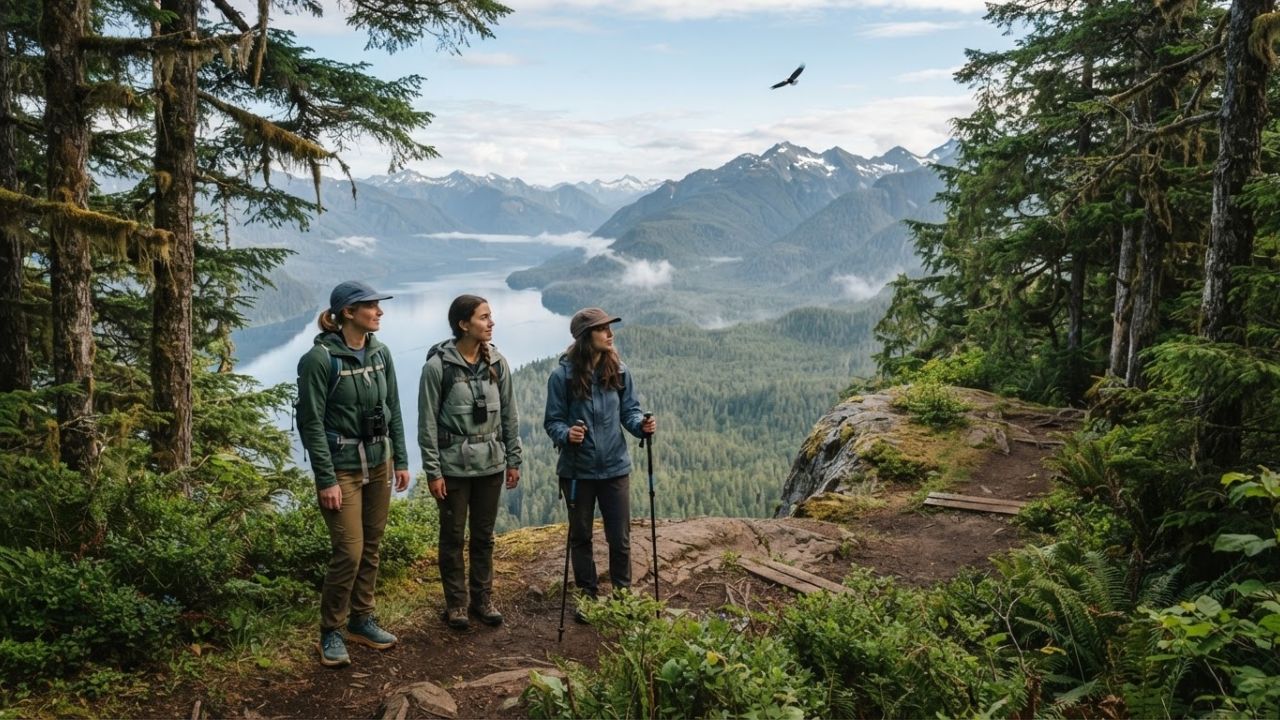
Image generated by AI
A proposed rollback of the 2001 Roadless Area Conservation Rule has sparked a national debate over the future of 59 million acres of undeveloped U.S. national forest land, threatening iconic wilderness areas.
The Roadless Rule Rollback and the Threat to Wilderness Travel
The outdoor tourism market in North America is observing a significant realignment, with federal land management policies entering a period of active review. The U.S. Forest Service has announced steps to evaluate the long-standing 2001 Roadless Area Conservation Rule, which limits road building and commercial logging in designated roadless areas. These protected regions represent approximately 59 million acres of public land and serve as key resources for the multi-billion-dollar outdoor recreation economy. Millions of domestic and international travelers visit national forests each year to enjoy hiking, backcountry camping, fishing, photography, and wildlife observation. The proposed policy change is designed to give regional land managers greater flexibility, but it has raised concerns among conservationists who fear that infrastructure expansion could degrade America's most celebrated wilderness settings.
For the traveler, the real impact of the Roadless Rule review is the long-term preservation of remote, undeveloped recreation spaces. The potential introduction of resource extraction roads could change the quiet character and scenic value of backcountry trails that visitors rely on for wilderness experiences.
Key Aspects of the U.S. National Forest Roadless Rule Debate
| Forest Region & Scale | Policy Under Review | Key Economic Indicators | Primary Wildlife & Recreation Assets |
|---|---|---|---|
| National Scale: 59 million acres of undeveloped forest land | Rescinding the 2001 Roadless Area Conservation Rule | Multi-billion-dollar outdoor recreation economy | Hiking, backpacking, fishing, backcountry camping, and wildlife observation |
| Alaska's Tongass National Forest: 16.7 million acres (largest U.S. national forest) | Forest Service review of roadless area exceptions | $1B+ commercial salmon industry; $600M+ summer visitor spending | Temperate rainforest, glaciers, Alexander Archipelago wolf, bald eagles, and salmon watersheds |
Management Flexibility and Environmental Pressures
The U.S. Department of Agriculture and the U.S. Forest Service argue that the existing Roadless Rule limits the ability of local officials to manage public lands effectively:
- Response to Environmental Threats: Officials state that current restrictions make it difficult to run fuel reduction projects, address insect outbreaks, and manage wildfire risks.
- Regional Management Authority: Supporters of the policy change believe that local forest managers understand regional conditions better and should have the authority to make decisions on forest health.
- Regulatory Review Standards: The federal government emphasizes that any proposed activity in a former roadless area would still face strict review under the National Environmental Policy Act (NEPA).
- No Automatic Development: Rollback of the rule would not automatically authorize commercial projects; rather, it would change the legal framework used to evaluate future proposals.
Balancing these management goals with wilderness protection remains a key challenge for public land agencies.
Value of Untouched Environments to the Outdoor Economy
Conservation organizations and travel industry representatives emphasize that undeveloped forests are essential drivers of regional tourism:
- Authentic Wilderness Experiences: Many visitors select national forests specifically because they offer natural environments away from heavily developed destinations.
- Economic Value to Gateway Towns: Outdoor tourism contributes significant revenue to local communities through hotel bookings, guiding services, equipment sales, and restaurants.
- Backcountry Recreation Resources: Popular activities like backpacking, river fishing, and wildlife photography depend on the preservation of large, connected forest environments.
Altering the protection status of these regions could influence how future visitors plan their wilderness trips.
Alaska's Tongass National Forest as a Debate Symbol
Among the most discussed regions is Alaska's Tongass National Forest, which serves as a prime example of the intersection between conservation and tourism:
- Vast Scale and Global Appeal: As the largest national forest in the United States, the Tongass attracts travelers worldwide with its temperate rainforest, glaciers, and deep fjords. The Tongass National Forest encompasses roughly 16.7 million acres, making it a critical habitat for unique species such as the Alexander Archipelago wolf and the Queen Charlotte goshawk.
- Watershed Protection: Over 70% of the old-growth temperate rainforest remains protected under the 2001 Roadless Rule, providing pristine spawning grounds for all five species of Pacific salmon. The regional commercial salmon fishing industry, which relies directly on clean forest watersheds, contributes over $1 billion annually to Alaska's economy.
- Eco-Tourism and Wildlife Viewing: Southeast Alaska's tourism sector generates more than 10,000 seasonal jobs and over $600 million in visitor spending each summer. Local guides lead groups through the Tongass's remote Mendenhall Glacier recreation areas and Misty Fjords National Monument. The potential construction of logging and mining roads through these pristine environments could permanently disrupt salmon spawning habitats and degrade the natural beauty that supports Southeast Alaska's tourism economy.
- Cruising and Guiding Industries: The forest is a key destination for the regional cruise industry, supports local kayaking and hiking guides, and drives economic activity in Southeast Alaska.
For many international visitors, access to untouched temperate rainforest is the primary reason for choosing Alaska as a travel destination.
Ecotourism and Community Support in Forest Regions
Sustaining the delicate environments of national forests requires travelers to adopt low-impact travel habits and support regional economies. For the traveler, the real impact of the Roadless Rule debate is the opportunity to practice slow travel. By choosing local public transit, municipal shuttles, or state ferries in Alaska instead of hiring private vehicles, visitors reduce their carbon footprint in fragile ecosystems.
Travelers can support local gateway economies by staying in family-run eco-lodges near forest borders, hiring regional outdoor guides, and purchasing handcrafted woodcarvings directly from local Tlingit and Haida artisans. This spending ensures that tourism revenue directly benefits local residents and supports traditional native crafts. Additionally, practicing Leave No Trace principles, carrying out all trash, and using biodegradable soaps keeps forest streams clean and protects sensitive wildlife biomes from chemical pollution.
Destination Specialist Local Insider Tips
To help you explore U.S. national forests safely and responsibly, travel specialists suggest the following tips:
- Plan for the Shoulder Months: Explore U.S. national forests in late spring (May to June) or early autumn (September) to avoid peak summer crowds and high room rates.
- Carry Bear Spray and Stay Alert: Keep bear spray accessible in a quick-draw holster on your hip or chest harness, and make regular noise while hiking in bear habitats like Alaska's Tongass National Forest to avoid startling wildlife.
- Savor Cedar-Plank Wild Salmon: Try local gastronomy. Order fresh Cedar-Plank Wild Salmon or Halibut Fish and Chips in local Alaskan gateway towns.
- Utilize Local Shuttle Services: Avoid private car emissions and parking struggles by taking municipal shuttles to forest trailheads where available.
- Respect Leave No Trace Principles: Always pack out all trash, use designated fire rings, and protect the local water supply by camping away from lakeshores.
Long-Term Outlook for Public Land Recreation
The long-term outlook for U.S. national forest recreation, sustainable tourism policy, and public land management remains positive, supported by strong public interest in outdoor wellness and the growth of sustainable tourism programs. By integrating community feedback, digital trail monitoring, and local conservation partnerships, federal agencies are developing modern tools to manage public lands.
As environmental pressures continue to grow in 2026, the collaboration between national park service teams, environmental organizations, and local business councils will remain essential. This balanced approach protects fragile forest ecosystems, supports independent gateway businesses, and ensures that America's celebrated wilderness settings remain beautiful, clean, and accessible for future generations of global travelers.
Related Travel Guides
Disclaimer
This article is for informational and educational purposes only. It does not constitute legal, financial, or professional advice. While we strive to provide accurate and up-to-date information, travel policies, regulations, and conditions change rapidly. Always verify information with official sources before making travel decisions. Nomad Lawyer makes no representations about the accuracy, reliability, completeness, or suitability of the information provided. Readers should consult qualified professionals for advice specific to their circumstances. The views expressed in this article are those of the author and do not necessarily reflect the views of Nomad Lawyer.
Preeti Gunjan
Contributor & Community Manager
A passionate traveller and community builder. Preeti helps grow the Nomad Lawyer community, fostering engagement and bringing the reader experience to life.
Learn more about our team →