
US Southern Border Travel Alert 2026: High-Risk Zones and Security Warnings
The United States has issued an urgent travel advisory for southern border regions, joining Mexico, Pakistan, and India in flagging high-risk zones due to rising crime and kidnapping threats.

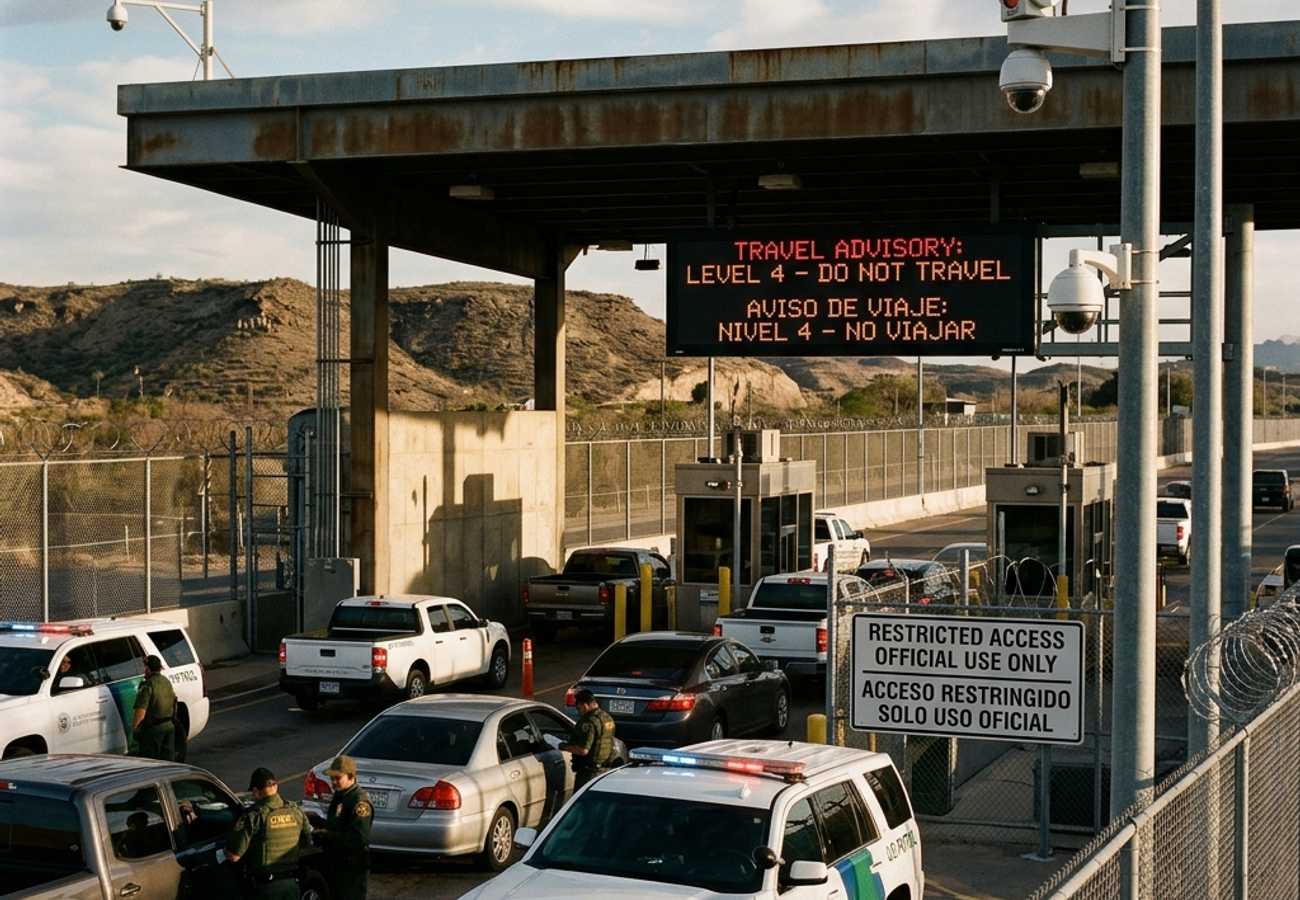
Image generated by AI
Quick Summary
- The United States has officially updated its travel advisories, flagging high-risk southern border regions of a neighboring country (Mexico) due to escalating crime and kidnapping threats.
- The move follows similar warnings issued by Mexico, Pakistan, India, Iran, and Afghanistan, highlighting a global trend of heightened border volatility in 2026.
- Specific threats include violent crime (armed robbery, carjacking), kidnapping, and regional instability caused by organized crime networks.
- Authorities utilize a 4-Tier Advisory System, with border zones frequently falling into Level 3 (Reconsider Travel) or Level 4 (Do Not Travel) categories.
The global travel landscape is facing increased security challenges as the United States joins a growing list of nations warning travelers to avoid volatile southern border zones. This latest update emphasizes the unpredictable nature of remote border regions where law enforcement presence is limited and criminal activity is on the rise. While major tourist hubs remain relatively secure, travelers are urged to exercise extreme caution and prioritize safety planning before embarking on cross-border itineraries.
Travel Advisory Risk Levels & Security Indicators 2026
The U.S. State Department categorizes destinations based on comprehensive intelligence assessments of safety and security.
| Advisory Level | Definition | Typical Border Risk Indicator |
|---|---|---|
| Level 1 | Exercise Normal Caution | Standard security environment |
| Level 2 | Exercise Increased Caution | Heightened crime or civil unrest |
| Level 3 | Reconsider Travel | Serious risks of violence or kidnapping |
| Level 4 | Do Not Travel | Life-threatening risks; limited govt assistance |
Escalating Risks in Southern Border Regions
The advisory stems from a significant uptick in violent activity within southern border corridors. Travelers are increasingly targeted in remote areas where "limited law enforcement capacity" means slow or ineffective response times during emergencies.
- Violent Crime: Armed robbery, carjacking, and assault remain the most prominent concerns for those traveling through isolated zones.
- Kidnapping Threats: Organized crime networks have intensified their operations, with tourists being singled out in less-policed territories.
- Organized Crime: The unpredictability of these areas is often linked to shifts in the influence of regional criminal networks, making traditional routes unsafe.
Safer Alternatives and Strategic Planning for Tourists
Despite the severe warnings, authorities emphasize that tourism is still possible provided travelers stick to established hubs.
- Established Hubs: Major cities and well-known resort areas typically maintain stronger security infrastructure, visible policing, and dedicated support services for international visitors.
- Well-Known Routes: Travelers are encouraged to avoid "off-the-beaten-path" exploration in border regions and instead utilize primary highways and reputable transport services.
- Official Monitoring: Citizens are urged to enroll in programs like the Smart Traveler Enrollment Program (STEP) to receive real-time security updates and facilitate emergency assistance.
How Advisories Affect Your Travel Logistics
- Insurance Coverage: Many standard travel insurance policies do not cover incidents in regions designated as Level 3 or Level 4.
- Visa & Airlines: Advisory classifications can influence visa approval processes and airline route frequencies in high-risk zones.
- Emergency Assistance: In Level 4 zones, the government’s ability to provide consular assistance is often severely limited due to security constraints.
FAQ: US Southern Border Travel Alert 2026
Why are southern border regions specifically targeted? Remote terrain, limited infrastructure, and a lack of consistent law enforcement make these areas vulnerable to organized crime networks targeting travelers.
Is it safe to visit major resort cities in Mexico? Yes, most major tourist hubs maintain significantly higher security levels than remote border zones. However, travelers should always check the specific advisory level for their destination state.
What should I do if I must travel through a high-risk zone? Enroll in STEP, use reputable private transport, avoid traveling at night, and keep emergency contacts readily accessible at all times.
Related Travel Guides
Disclaimer
This article is for informational and educational purposes only. It does not constitute legal, financial, or professional advice. While we strive to provide accurate and up-to-date information, travel policies, regulations, and conditions change rapidly. Always verify information with official sources before making travel decisions. Nomad Lawyer makes no representations about the accuracy, reliability, completeness, or suitability of the information provided. Readers should consult qualified professionals for advice specific to their circumstances. The views expressed in this article are those of the author and do not necessarily reflect the views of Nomad Lawyer.
Kunal K Choudhary
Co-Founder & Contributor
A passionate traveller and tech enthusiast. Kunal contributes to the vision and growth of Nomad Lawyer, bringing fresh perspectives and driving the community forward.
Learn more about our team →