
Global Jet Fuel Crisis 2026: Emirates, Qatar Airways, and Air India Hike Fares Amid Soaring Costs
A global aviation crisis is unfolding in 2026 as surging jet fuel prices force major carriers like Emirates, Air India, and Aeroflot to cut routes and increase airfares significantly.

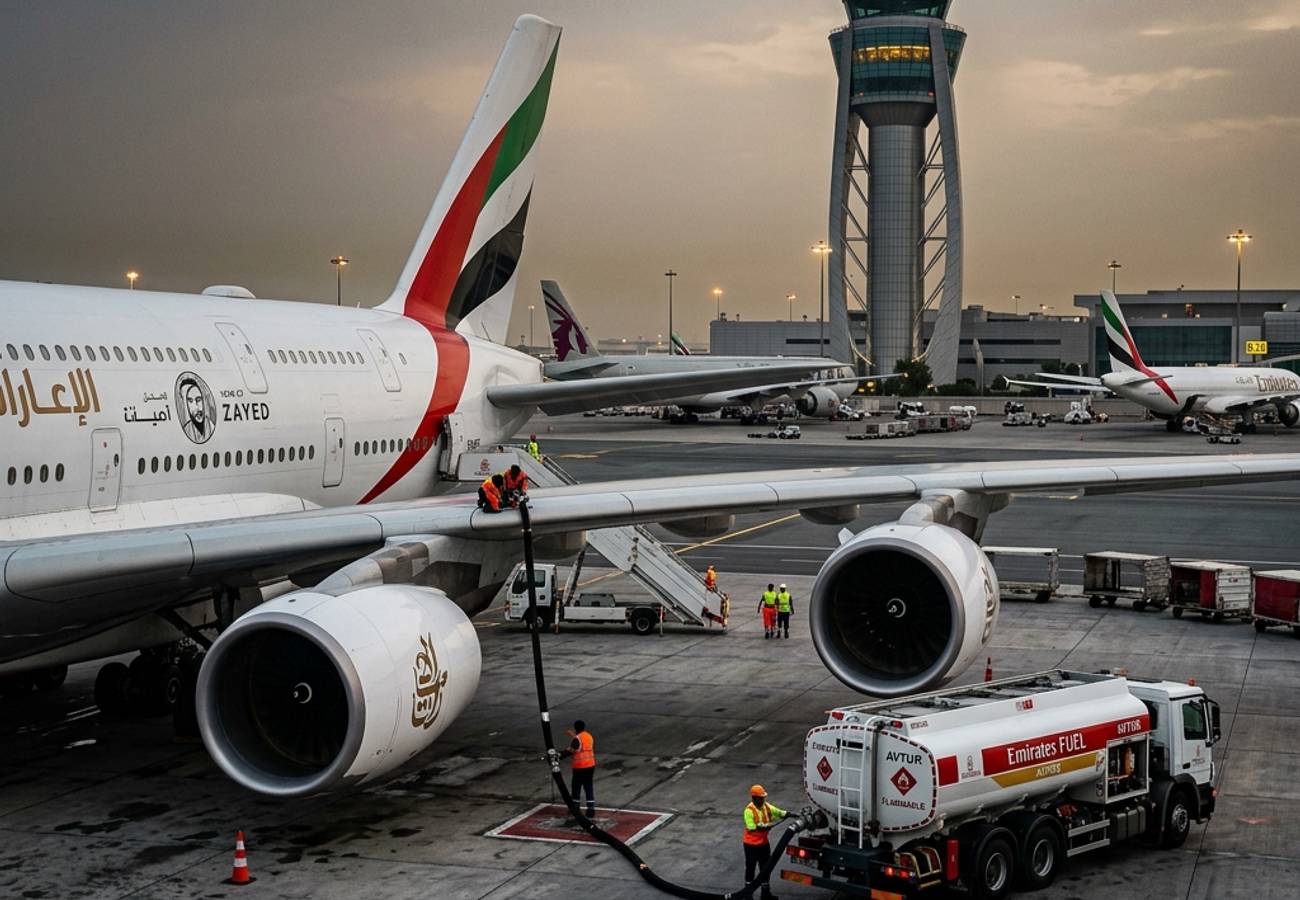
Image generated by AI
Quick Summary
- Surging Jet Fuel Prices in 2026 have triggered a global aviation crisis, driven by geopolitical instability and limited oil supplies.
- Major Carriers—including Emirates, Qatar Airways, Air India, and Aeroflot—are reporting record-high operational costs, leading to immediate airfare hikes.
- Route Reductions: Airlines are suspending low-demand routes and reducing flight frequencies to prioritize high-margin long-haul services.
- Tourism Impact: High ticket prices are deterring international travelers, particularly impacting religious tourism in Saudi Arabia and leisure tourism in the UAE and India.
The global aviation landscape is undergoing a significant structural shift in 2026 as jet fuel prices reach unprecedented levels. From the Middle East to Asia and Europe, the surge in energy costs has moved beyond a temporary hurdle, becoming a core operational crisis for the world’s leading airlines. Passengers are facing a dual challenge of reduced flight options and sharply increased fuel surcharges, as carriers like Emirates and Air India adjust their networks to remain financially viable in a high-cost environment.
Global Aviation Crisis: Impacted Airlines and Operational Changes (2026)
Airlines are implementing radical network adjustments to combat the escalating cost of operations.
| Airline | Home Region | Key Operational Change | Impact on Travelers |
|---|---|---|---|
| Emirates | UAE | Route cuts & frequency reductions | Higher long-haul fares to DXB |
| Air India | India | Suspension of unprofitable intl. routes | Focus on domestic market growth |
| Qatar Airways | Qatar | Strategic hub schedule modifications | Increased surcharges at DOH hub |
| Aeroflot | Russia | Significant reduction in long-haul capacity | unsustainable costs for Asia/EU routes |
| Saudia | Saudi Arabia | Pricing model overhaul for EU/US routes | Higher costs for Hajj/Umrah pilgrims |
| Lufthansa | EU | Immediate fuel surcharge increases | Expensive short-haul European travel |
| Qantas | Australia | Fare hikes for domestic & intl. flights | Slower inbound tourism from US/EU |
Middle East Hubs: Emirates and Qatar Airways Under Pressure
The UAE and Qatar, central to global transit, are feeling the direct impact of the fuel spike. Emirates has been forced to optimize its fleet usage, cutting secondary routes to prioritize high-density hubs. This has led to a noticeable decline in tourist arrivals in Dubai and Abu Dhabi as long-haul travel becomes cost-prohibitive for many. Qatar Airways has similarly implemented strategic surcharges at its Hamad International (DOH) hub, impacting its appeal as a cost-effective stopover point between Europe and Asia.
Russia and India: Financial Strain and Route Reductions
In Russia, Aeroflot is struggling with the dual pressure of sanctions and soaring fuel costs, leading to a significant contraction of its international network. Meanwhile, India’s aviation sector, led by Air India and IndiGo, is facing severe margin compression. Air India has already cut several international routes that are no longer profitable, while domestic carriers are pushing for government subsidies to prevent further fare hikes for Indian travelers.
European and Asia-Pacific Outlook: Lufthansa, JAL, and Qantas
European legacy carriers like Lufthansa and Air France are passing on fuel costs directly to consumers through "environmental and fuel levies." In the Asia-Pacific region, Japan Airlines (JAL) and Korean Air are scaling back services to North America, while Qantas has warned of sustained high airfares for both domestic Australian routes and international connections to London and Los Angeles.
The Economic Impact on Global Tourism and Business Travel
- Leisure Tourism: Destinations heavily reliant on long-haul arrivals, such as Thailand and Greece, are reporting fewer international visitors as travelers opt for closer, more affordable alternatives.
- Business Travel: Corporate travel budgets are being slashed across the globe, leading to the cancellation of international conferences and a shift toward virtual collaboration.
- Domestic Shift: Many nations, including India and China, are promoting domestic tourism to offset the losses from the international segment, though this provides only partial relief to the broader aviation industry.
FAQ: Jet Fuel Prices & Travel Impact 2026
Why are flight tickets so expensive in 2026? The primary driver is the record-high price of jet fuel, which often accounts for over 30% of an airline’s operating costs. Geopolitical tensions and limited oil refinery output have pushed these costs to new heights.
Which airlines are cutting the most routes? Carriers with large long-haul networks, such as Emirates, Aeroflot, and Air India, have been the most active in cutting unprofitable routes to manage their fuel exposure.
Will fuel surcharges go down soon? Most industry analysts expect fuel surcharges to remain high throughout 2026 as oil markets remain volatile. Travelers are advised to book well in advance to lock in current rates.
Related Travel Guides
Disclaimer
This article is for informational and educational purposes only. It does not constitute legal, financial, or professional advice. While we strive to provide accurate and up-to-date information, travel policies, regulations, and conditions change rapidly. Always verify information with official sources before making travel decisions. Nomad Lawyer makes no representations about the accuracy, reliability, completeness, or suitability of the information provided. Readers should consult qualified professionals for advice specific to their circumstances. The views expressed in this article are those of the author and do not necessarily reflect the views of Nomad Lawyer.
Kunal K Choudhary
Co-Founder & Contributor
A passionate traveller and tech enthusiast. Kunal contributes to the vision and growth of Nomad Lawyer, bringing fresh perspectives and driving the community forward.
Learn more about our team →