
US Airports Log 2,689 Flight Delays and 164 Cancellations Driven by Thunderstorms, Runway Construction, and Air Traffic Volume

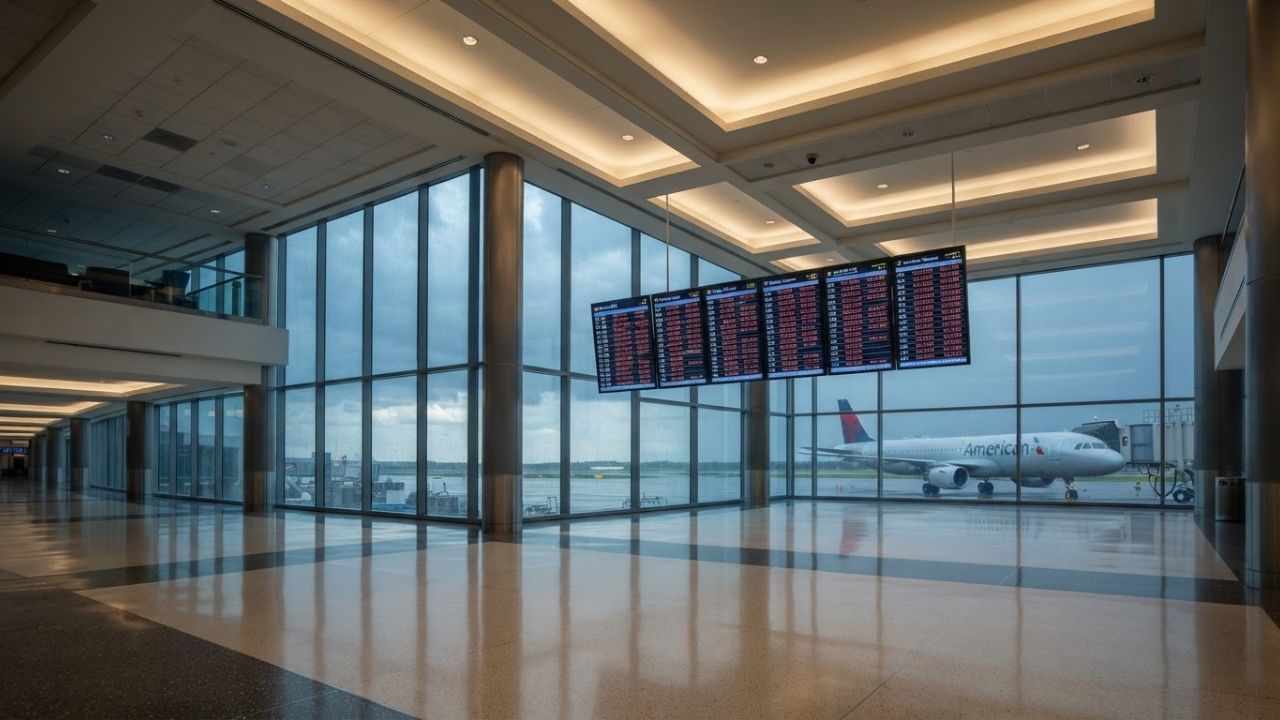
Commercial aviation operations across major United States transit hubs recorded 2,689 flight delays and 164 cancellations. Real-time aviation tracking data confirms widespread operational slowdowns triggered by severe thunderstorm cells, airport runway construction projects, and high air traffic volume across key hubs.
Airports including Miami International, Boston Logan, Chicago O'Hare, Hartsfield-Jackson Atlanta, and Seattle-Tacoma reported heavy schedule backlogs. Operational pressure concentrated across major domestic carriers, with Southwest Airlines, United Airlines, Alaska Airlines, and Horizon Air accounting for significant delay and cancellation figures.
Comprehensive US Airport Disruption Breakdown
Flight tracking metrics published by FlightAware indicate that ground delay programs implemented by the Federal Aviation Administration (FAA) directly impacted departure and arrival streams across east coast, midwest, and west coast gateways.
+----------------------------------------------------------------------------------------------------+
|                         MAJOR US AIRPORT DISRUPTION METRICS TABLE                                  |
+------------------------------------+----------------+---------------------+------------------------+
| Airport Facility & IATA Code       | Delayed Flights| Cancelled Flights   | Primary Disruption Cause|
+------------------------------------+----------------+---------------------+------------------------+
| Miami International (MIA)          | 290            | 8                   | Thunderstorms (218m avg)|
| Boston Logan (BOS)                 | 226            | 3                   | Runway Construction    |
| Chicago O'Hare (ORD)               | 205            | 4                   | Traffic Congestion     |
| Hartsfield-Jackson Atlanta (ATL)   | 150            | 6                   | Air Traffic Demand     |
| Seattle-Tacoma (SEA)               | 110            | 32                  | Volume & Air Traffic   |
| San Francisco International (SFO)  | 96             | 6                   | Air Traffic Control    |
| Houston Bush Intercontinental (IAH)| 81             | 7                   | Thunderstorms          |
| Portland International (PDX)       | 31             | 25                  | Fleet Operations       |
+------------------------------------+----------------+---------------------+------------------------+
Miami International Airport registered the highest individual delay total in the nation at 290 delays, with FAA ground delays averaging 218 minutes due to thunderstorm activity. Boston Logan recorded 226 delays linked to active runway construction, while Seattle-Tacoma recorded 32 cancellations alongside 110 delays.
US Airline Carrier Disruption Metrics
Carrier-level operational data demonstrates severe schedule compression across major U.S. network carriers and regional feeder partners:
+-----------------------------------------------------------------------------------+
|                        US AIRLINE DISRUPTION METRICS TABLE                        |
+----------------------+--------------------+-------------------+-------------------+
| Airline              | Delayed Flights    | Cancelled Flights | Operational Focus |
+----------------------+--------------------+-------------------+-------------------+
| Southwest Airlines   | 540                | 9                 | Point-to-point    |
| United Airlines      | 239                | 12                | Network Hubs      |
| Alaska Airlines      | 67                 | 26                | West Coast / PNW  |
| Horizon Air (ASA)    | 15                 | 71                | Regional Feeder   |
+----------------------+--------------------+-------------------+-------------------+
Southwest Airlines experienced the heaviest overall delay volume among U.S. carriers, logging 540 delayed flights. Horizon Air recorded 71 cancellations—representing the highest cancellation count among domestic regional operators—while Alaska Airlines reported 26 cancellations and 67 delays.
Traveler Logistics Guide for Disrupted US Domestic Flights
Passengers traveling through affected U.S. airports should apply the following operational protocols to manage delays or cancellations:
- Monitor Live Airline Apps: Verify real-time flight departure status through carrier mobile applications before traveling to departure terminals.
- Select Adequate Layover Buffers: When booking connecting flights through major hubs like Chicago O'Hare (ORD), Atlanta (ATL), or Houston Bush (IAH), maintain minimum layover windows of 2.5 to 3.5 hours to absorb air traffic control hold patterns.
- Understand DOT Compensation Rights: Under U.S. Department of Transportation guidelines, if an airline cancels a flight regardless of the reason and the passenger chooses not to travel on a rebooked flight, the traveler is entitled to a 100% cash refund rather than travel vouchers.
- Rebooking Assistance Desks: If a flight is cancelled while at the airport, utilize airline customer service phone lines or self-service digital kiosks simultaneously while queuing at gate service counters to secure alternative seats faster.
Frequently Asked Questions
What were the primary causes of flight disruptions across US airports?
The main disruption drivers included severe thunderstorm weather patterns in Florida and Texas, runway construction projects at Boston Logan, and high air traffic volume across hub airports.
Which US airport experienced the highest number of flight delays?
Miami International Airport (MIA) experienced the highest delay volume with 290 delayed flights, with FAA ground delay programs averaging 218 minutes.
Which airline recorded the highest number of cancellations?
Horizon Air (operating for Alaska Airlines) recorded the highest number of flight cancellations at 71 flights.
What are passenger refund rights when a US domestic flight is cancelled?
Under U.S. Department of Transportation regulations, passengers whose flights are cancelled by the airline are entitled to a full cash refund to their original form of payment if they decline rebooking.
Related Travel Guides
Disclaimer
This article is for informational and educational purposes only. It does not constitute legal, financial, or professional advice. While we strive to provide accurate and up-to-date information, travel policies, regulations, and conditions change rapidly. Always verify information with official sources before making travel decisions. Nomad Lawyer makes no representations about the accuracy, reliability, completeness, or suitability of the information provided. Readers should consult qualified professionals for advice specific to their circumstances. The views expressed in this article are those of the author and do not necessarily reflect the views of Nomad Lawyer.
Preeti Gunjan
Contributor & Community Manager
A passionate traveller and community builder. Preeti helps grow the Nomad Lawyer community, fostering engagement and bringing the reader experience to life.
Learn more about our team →