
Fees Visa Social: U.S. Entry Screening Reshapes 2026 Summer Travel
U.S. introduces $250 entry fees and social media vetting for international travelers in 2026. New restrictions affect visa waiver program countries ahead of peak summer season.

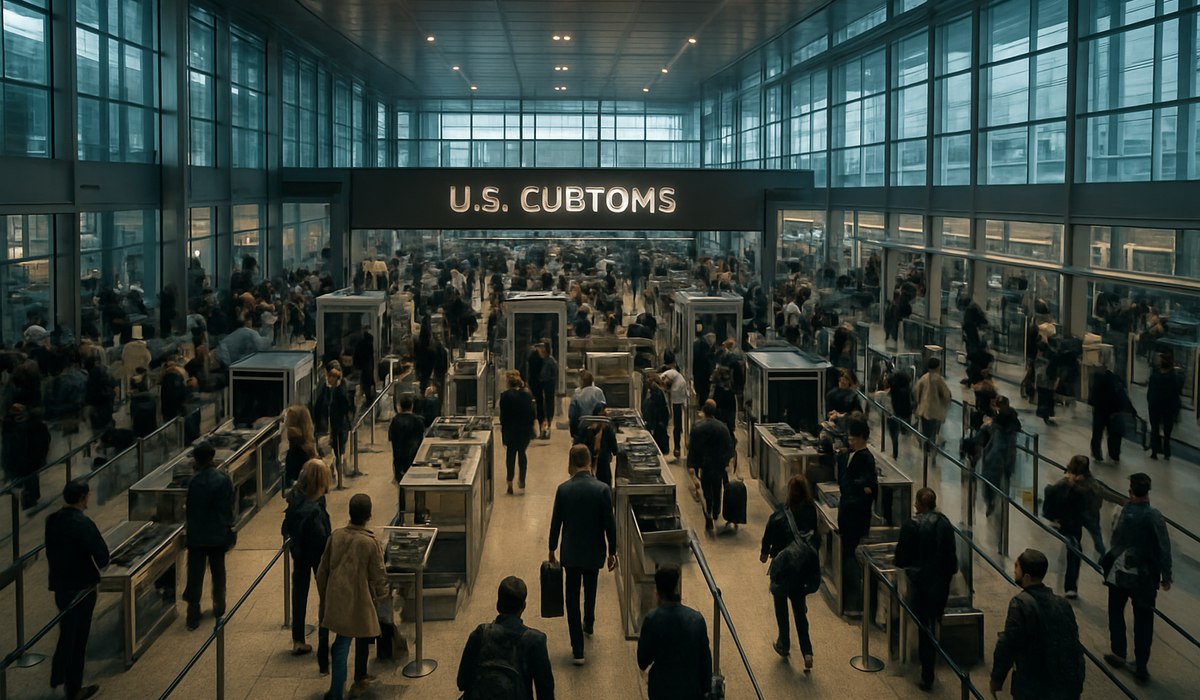
Image generated by AI
New U.S. Entry Barriers Emerge Before Summer Peak Season
The United States is implementing sweeping travel restrictions that combine financial barriers with digital surveillance. Starting this spring, international visitors face a mandatory $250 entry fee alongside enhanced social media vetting procedures. These changes arrive during peak summer travel season, potentially reshaping tourism patterns to America. The measures target enhanced security protocols while critics warn of unintended consequences for the travel and hospitality sectors.
Who Qualifies for the New Fees Visa Social Requirements?
All international travelers entering the United States now fall under the expanded screening framework, regardless of citizenship or existing visa status. Citizens of Visa Waiver Program (VWP) countries—including the United Kingdom, France, Germany, Japan, Australia, and Canada—face the same $250 entry fee as traditional visa applicants.
Exemptions remain limited to diplomatic personnel, certain government officials, and children under 16 traveling with qualifying adults. However, the social media vetting component applies broadly across all entry categories except emergency humanitarian admissions.
U.S. citizens and permanent residents pay no additional fees but may encounter increased processing times at ports of entry. The fees visa social framework targets revenue generation while simultaneously implementing the media screening mandate across all traveler demographics.
The $250 Entry Fee Explained
The newly implemented entry fee functions as an advance processing charge collected before or upon arrival. International travelers must remit payment through the official U.S. Department of State portal or designated payment centers at ports of entry.
Payment methods include credit cards, digital wallets, and international bank transfers. The fee covers administrative processing, background checks, and database consultation services. Revenue projections estimate $1.8 billion annually from this single measure, with funds allocated to border infrastructure and security upgrades.
Unlike traditional visa fees, the entry charge applies uniformly regardless of travel purpose—tourism, business, or temporary residence. Refunds are not issued for denied entries, making this a non-recoverable expense for rejected applicants.
Social Media Vetting: What Travelers Need to Know
The social media vetting initiative requires applicants to disclose all active social media accounts and authorize review of public-facing content. Customs and Border Protection agents access profile information, post history, and engagement patterns to assess security risk factors.
Specific scrutiny targets posts expressing anti-American sentiment, promotion of illegal activities, or association with flagged organizations. The vetting process examines engagement patterns, follower composition, and network connections for potential security concerns.
Processing typically adds 48–72 hours to standard entry procedures. Travelers should anticipate questions about their online presence and expect detailed interviews at ports of entry. The media screening does not limit free speech rights but may result in entry denial based on disclosed content analysis.
Approximately 3–5% of applicants face secondary interviews or temporary entry delays due to flagged content. Appeals processes remain underdeveloped, creating uncertainty for affected travelers planning time-sensitive trips.
Impact on Visa Waiver Program Countries
Citizens from 42 VWP nations—representing approximately 180 million eligible travelers annually—face direct consequences from these restrictions. Countries like Germany, Italy, South Korea, and New Zealand previously enjoyed streamlined ESTA processing without additional charges.
The combined fees visa social requirements eliminate speed advantages previously associated with the Visa Waiver Program. Processing times now exceed traditional visa applications for many countries, undermining the program's original efficiency benefits.
Travel industry leaders estimate 8–12% declines in U.S.-bound tourism from VWP nations during summer 2026. Alternative destinations in Canada, Mexico, and European Union countries may capture diverted tourism spending.
Economic modeling suggests potential losses exceeding $4.2 billion in direct tourism revenue. Convention bookings, business travel, and academic exchange programs face particular uncertainty as organizations reassess expense projections.
How to Prepare for New U.S. Entry Requirements
International travelers must complete several preparatory steps to navigate the updated entry framework successfully. Begin by reviewing your social media accounts and removing any content that might trigger security concerns during the vetting process.
Create a documentation file containing screenshots of your privacy settings, account creation dates, and public profile summaries. This documentation proves helpful if questions arise during border interviews regarding your online presence and media activity.
Register through the official U.S. Department of State portal at least two weeks before your intended travel date. Submit the $250 entry fee and authorize the social media vetting review simultaneously. Expect confirmation emails within 5–7 business days.
Visit the IATA Travel Centre for updated country-specific requirements and real-time processing status information. Confirm your airline's documentation requirements, as some carriers implemented additional verification procedures ahead of the federal mandate.
Maintain printed copies of your authorization confirmations and payment receipts throughout your journey. Border agents require evidence of compliance with the fees visa social framework before processing entry.
Key Data: Entry Fee and Vetting Timeline Summary
| Category | Details |
|---|---|
| Entry Fee Amount | $250 USD (non-refundable, applies to all international travelers) |
| Processing Time Addition | 48–72 hours for social media vetting review |
| VWP Countries Affected | 42 nations with approximately 180 million eligible travelers |
| Estimated Revenue Annually | $1.8 billion from entry fees alone |
| Secondary Interview Rate | 3–5% of applicants require additional screening |
| Exemptions | Diplomatic personnel, government officials, children under 16 |
| Payment Deadline | Must complete 72 hours before arrival or at port of entry |
| Appeal Timeline | 30–45 days for entry denial challenges (developing) |
What This Means for Travelers: Action Items
The convergence of financial and surveillance-based entry barriers demands strategic planning from international visitors. Here's how to protect your interests:
-
Budget the additional $250 into your U.S. travel expenses immediately. This mandatory fee eliminates cost advantages previously available through the Visa Waiver Program.
-
Audit your social media presence across all platforms before initiating entry applications. Remove or privatize any content that could trigger secondary screening flags.
-
Apply 3–4 weeks early rather than the previous 2-week standard. Additional processing buffers protect against summer season backlog delays.
-
Document your authorization with printed confirmations and digital backups. Border agents require verification of fee payment and vetting completion.
-
Consider alternative destinations if your travel dates are flexible. Canada, Mexico, and Caribbean nations may offer comparable experiences without enhanced restrictions.
-
Contact your airline ahead of travel to confirm documentation requirements beyond federal mandates. Some carriers implemented supplementary verification procedures.
Frequently Asked Questions
Do U.S. citizens need to pay the $250 entry fee?
U.S. citizens and permanent residents do not pay the entry fee. The requirement applies exclusively to international travelers entering through standard tourist, business, or temporary visa categories. However, expect potential processing delays even without fee obligations.
What happens if my social media content gets flagged during vetting?
Flagged content triggers secondary interviews at your port of entry. CBP agents may ask detailed questions about specific posts. You retain the right to refuse entry, but departure options become limited once the process begins.
Can I appeal an entry denial based on social media vetting?
Appeals processes are currently underdeveloped but available through CBP administrative channels. Submit written challenges within 30 days of denial. Appeals typically require documentation proving content context or policy violations in the vetting assessment.
Which countries are exempt from these new restrictions?
Diplomatic personnel and government officials retain exemption status. Children under 16 traveling with qualifying adults avoid the $250 fee. No entire countries receive blanket exemptions; all nationalities face the same fees visa social framework.
Related Travel Guides
- [Global Visa
Disclaimer
This article is for informational and educational purposes only. It does not constitute legal, financial, or professional advice. While we strive to provide accurate and up-to-date information, travel policies, regulations, and conditions change rapidly. Always verify information with official sources before making travel decisions. Nomad Lawyer makes no representations about the accuracy, reliability, completeness, or suitability of the information provided. Readers should consult qualified professionals for advice specific to their circumstances. The views expressed in this article are those of the author and do not necessarily reflect the views of Nomad Lawyer.
Preeti Gunjan
Contributor & Community Manager
A passionate traveller and community builder. Preeti helps grow the Nomad Lawyer community, fostering engagement and bringing the reader experience to life.
Learn more about our team →